
Soups & Stews
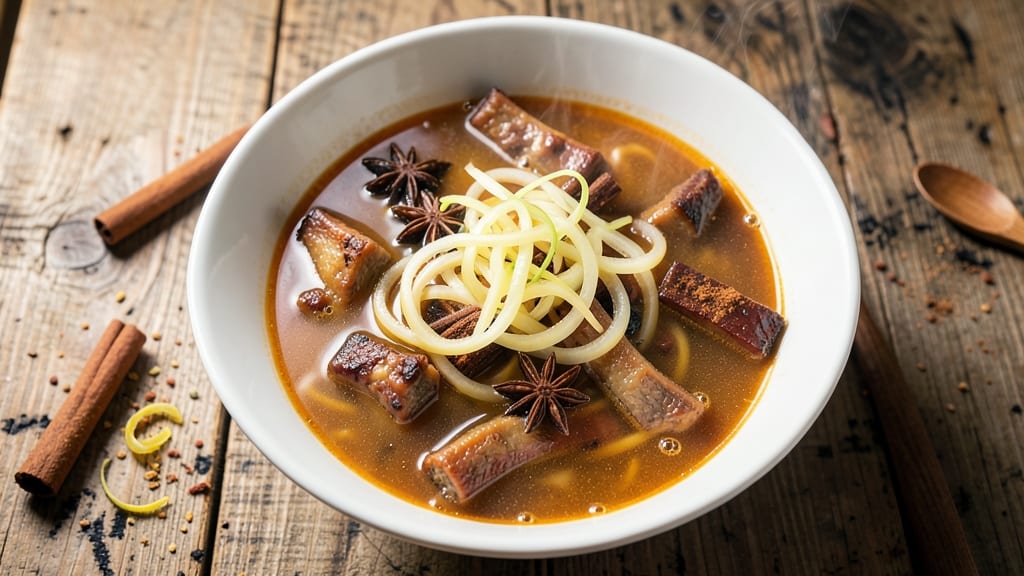
This beef pho soup base recipe unlocks the deep umami heart of Vietnamese cuisine—where star anise, cinnamon, and slow-simmered beef bones create a concentrated broth that becomes the soul of every bowl.
The secret lies in patience: letting aromatics bloom and collagen render for hours until the liquid transforms into a fragrant, savory foundation. I’ve perfected this technique after countless batches, ensuring every sip delivers that signature balance of warmth and complexity.
The process begins with charring spices and aromatics—ginger, onion, and cilantro root—to develop their natural oils before adding beef bones and water. Simmering for at least 4 hours (or overnight for maximum depth) extracts gelatinous richness while preserving delicate flavors.
Straining yields a clear, golden broth that’s bold enough to stand alone but flexible enough to adapt to any pho variation.
What sets this base apart is the layered spice profile: star anise and cinnamon lend warmth, while cardamom and cloves add subtle earthiness. The result is a broth so flavorful it reduces beautifully for storage or immediately elevates noodles, herbs, and protein.
No shortcuts here—just time, technique, and the kind of umami that lingers long after the last spoonful.
Perfect for meal prep or restaurant-quality pho nights, this base keeps for up to 5 days refrigerated or 3 months frozen, making it the ultimate pantry staple. Let’s build flavor from scratch.
Ingredients for beef pho soup base
Eleven aromatic ingredients transform into a deeply umami broth foundation for authentic pho.
| Ingredient | Amount | Notes |
|---|---|---|
| Beef Bones 🦴 | 4 lb | Marrow and knuckle bones preferred |
| Yellow Onions 🧅 | 2 whole | Cut into 1-inch chunks, charred |
| Fresh Ginger 🌿 | 4 oz | Unpeeled, sliced into 1-inch pieces |
| Cilantro Root 🌿 | 2 whole | Or substitute 1 bunch fresh cilantro |
| Star Anise 🌶️ | 4 whole | Lightly toasted for aroma |
| Cinnamon Sticks 🌿 | 2 whole | 2-inch pieces preferred |
| Cardamom Pods 🌿 | 6 whole | Lightly crushed to release oils |
| Cloves 🌶️ | 6 whole | Whole, lightly toasted |
| Garlic Cloves 🧄 | 8 cloves | Smashed, not minced |
| Fish Sauce 🍶 | 2 tbsp | Red Boat preferred for quality |
| Distilled White Vinegar 💧 | 2 tbsp | For brightness and preservation |
| Rock Salt 🧂 | 1 ½ tsp | Diamond Crystal preferred |
| Water 💧 | 8 cups | Filtered preferred for clarity |
The beef bones are non-negotiable—marrow and knuckle bones release the most collagen and gelatin for that signature pho richness. Local butchers or Asian markets often have pre-cut beef bones, but if buying whole, ask for the marrow-heavy cuts. Char your onions and ginger before adding them to the broth; this step develops their natural sugars into caramelized depth. For star anise, look for whole pods at specialty spice shops—they stay potent for years when stored properly. Cilantro root adds a unique earthiness that’s hard to replicate with stems alone, though fresh cilantro in a pinch works. Toast your whole spices lightly in a dry pan before adding to the broth to release their aromatic oils—this is where the magic begins.
No star anise? 1 teaspoon ground anise works, but the flavor won’t be identical. Substitute cinnamon sticks with 1 teaspoon ground cinnamon**, but you’ll lose some of the warm, woody notes. For fish sauce, Red Boat brand is the gold standard, but any reputable brand will do—just avoid the cheap, overly salty varieties. Vinegar can be swapped for lemon juice at half the amount, though vinegar’s acidity helps preserve the broth longer. If you’re short on garlic, garlic powder at half the amount works, but fresh is always better. The water should be filtered if possible—tap water with high mineral content can cloud the broth’s clarity.
This broth develops flavor over time, so simmer uncovered for at least 4 hours—overnight is ideal. Strain through a fine-mesh sieve or cheesecloth for the clearest results. Store in airtight containers in the fridge for up to 5 days or freeze for 3 months**. For restaurant-quality pho, reduce the broth by half before freezing—it intensifies the flavor dramatically. Always bring the broth to a full boil before serving to reactivate the spices and create that signature aroma. The longer it simmers, the more gelatinous and rich it becomes, making it perfect for meal prep or special occasions.
Why You'll Love This Recipe
- One-Pot Magic: I swear by this recipe because it’s all in one pot—no chopping chaos, no extra bowls. Toss in the beef bones, onions, ginger, and star anise, then let the broth work its magic while you prep the rest of your meal.
- Deep Umami Bomb: That first sip? Chef’s kiss. The beef bones melt into rich, gelatinous goodness, while the star anise and cilantro root add a warm, earthy depth. Honestly, it’s the kind of flavor that makes you pause mid-slurp.
- Leftovers That Shine: Make a big batch—this stuff only gets better after a day or two. Freeze it for lazy nights or use it as a quick base for stir-fries, dumplings, or even a hearty grain bowl. (Yes, even on a Tuesday night.)
- Budget-Friendly Gold: Beef bones are the secret weapon here—cheaper than steaks but packed with flavor. A single batch stretches across multiple meals, and the spices (like star anise) last forever. My wallet and my taste buds thank me.
Step-by-step instructions for beef pho soup base
Master this aromatic broth foundation with precise techniques for deep umami flavor.
Prepare and Char the Aromatics
Begin by thoroughly cleaning the 4 lb beef bones under cold water to remove any impurities. Pat them completely dry with paper towels—this ensures maximum surface area for browning. In a dry, heavy pot, place the bones over medium-high heat and let them sear for 10-12 minutes, turning occasionally, until they develop a deep golden-brown crust. This caramelization forms the flavor base.
While the bones brown, prepare the 2 whole yellow onions by cutting them into 1-inch chunks. Transfer them to a separate skillet over medium heat and char them until blackened in spots—about 8-10 minutes. The charred onions will contribute a smoky depth to the broth. Simultaneously, slice the 4 oz fresh ginger into 1-inch pieces (leave the skin on for extra complexity) and lightly crush the 6 whole cardamom pods and 6 whole cloves in a mortar and pestle to release their essential oils.
Build the Spice Base and Simmer
Return the browned bones to their pot and add the 8 cups water, bringing the mixture to a rolling boil over high heat. Once boiling, reduce heat to low and skim off any foam or impurities that rise to the surface using a fine-mesh skimmer. This step is critical for clarity—discard any scum that forms, as it can make the broth cloudy.
Add the charred yellow onions, ginger slices, 2 whole cilantro roots, 4 whole star anise, 2 whole cinnamon sticks, and the crushed cardamom pods and cloves. Let the broth simmer gently for 45 minutes, maintaining a steady low heat to prevent boiling. The spices should infuse the liquid with their aromatic oils, creating a fragrant, golden broth. Stir occasionally to prevent the aromatics from sticking to the bottom.
Develop Umami and Balance Flavors
After 45 minutes, remove the pot from heat and carefully strain the broth through a fine-mesh sieve or cheesecloth-lined colander into a clean pot. Discard the solids, including the bones and charred vegetables. Return the strained broth to the stove and add the 8 smashed garlic cloves, 2 tbsp fish sauce, and 2 tbsp distilled white vinegar. The fish sauce will deepen the umami, while the vinegar brightens the broth and helps preserve its freshness.
Simmer the broth uncovered over medium-low heat for an additional 30 minutes, allowing the flavors to meld. Taste and adjust seasoning with the 1.5 tsp rock salt, adding it gradually to achieve a balanced, savory profile. The broth should be rich, aromatic, and slightly tangy—this is the foundation for your pho. If it reduces too much, add hot water to restore the original volume.
Rest and Serve
Once the broth reaches the desired depth of flavor, remove it from heat and let it rest for 15 minutes before serving. This resting period allows the spices to fully infuse and the broth to settle, ensuring a smooth, cohesive texture. The broth should be clear with a deep amber hue and a complex aroma of star anise, cinnamon, and ginger.
Serve the broth immediately or store it in an airtight container in the refrigerator for up to 5 days or freeze for 3 months. When reheating, warm it gently over low heat to preserve its delicate flavors. This base can be used as-is for a simple pho or as a starting point for more elaborate variations.
Pro Tips For Making Beef Pho Soup Base
- BLACKEN THE BONES FIRST: I learned this the hard way—skip the charring, and your broth will taste bland. Sear the beef bones in batches over high heat until they’re deep brown, almost black in spots. That crust packs serious flavor, and it’s the thing that separates good pho from great pho.
- CHOP ONIONS THICK AND RAW: Thin slices burn fast and turn bitter. Cut your yellow onions into ½-inch chunks and toss them in raw—no softening needed. They’ll mellow as the broth simmers, but keeping them whole prevents mush and lets their sweetness develop properly.
- CRUSH STAR ANISE SEEDS: Whole star anise releases flavor slowly and can leave a bitter aftertaste. Lightly crush the pods with the flat side of a knife before adding them to the pot. This guarantees the aromatic oils infuse evenly, giving you that classic pho depth without overpowering the broth.
- STRAIN TWICE, SKIP THE SEDIMENT: After simmering, strain the broth through a fine-mesh sieve first, then a cheesecloth-lined colander. The second strain catches the tiny particles that make broth cloudy—no one wants grit in their pho. (Yes, even if you’re impatient like me.)
Wine and beer pairings for this dish
Red Wine Pairings
For this deep, aromatic broth, I recommend a medium-bodied red wine like Pinot Noir from Oregon or Burgundy. The wine’s earthy notes and subtle fruitiness complement the star anise and cinnamon without overpowering the delicate umami.
A Syrah from the Rhône Valley also works beautifully—its peppery finish mirrors the broth’s spiced complexity. 🍷
White Wine Options
If you prefer white, opt for a dry Riesling from Germany or Alsace. The wine’s crisp acidity cuts through the broth’s richness while its mineral notes enhance the ginger and garlic flavors.
A Viognier with its floral and stone fruit undertones also pairs well, especially if your broth leans slightly sweeter. Chill the wine slightly before serving.
Light Beer Complements
A crisp, dry lager like Peroni or Asahi Super Dry refreshes the palate between sips of the aromatic broth. The beer’s subtle bitterness balances the broth’s sweetness, while its light body prevents it from feeling heavy.
For a craft option, try a Belgian Witbier—its citrus and coriander notes echo the broth’s ginger and star anise. 🍺
Avoid Heavy Flavors
Skip bold reds like Cabernet Sauvignon or heavy stouts—they’ll clash with the broth’s delicate spices. Similarly, avoid sweet wines or lagers with strong malt flavors, as they’ll overpower the pho’s clean, umami-driven profile. The goal is harmony: let the broth’s complexity shine while the drink enhances, not competes.
Serving Temperature
Serve red wines slightly cooler than room temperature (55-60°F) to highlight their acidity and freshness. Whites should be chilled to 45-50°F, while beers benefit from being served at their standard serving temperatures.
A well-chilled drink preserves its crispness, ensuring each sip of broth remains vibrant and balanced. ✨
Nutrition facts
Frequently asked questions
Can I substitute beef bones with chicken or pork for this pho base?
While beef bones are traditional for their rich gelatin and umami, you can use chicken bones (for a lighter broth) or pork bones (for a fattier, deeper flavor). For chicken, add 1 extra hour of simmering time to extract collagen. Pork bones work well but may require straining more carefully to remove fat. Avoid fish bones—they’ll create a very different flavor profile.
How do I make this broth clearer without losing flavor?
For crystal-clear broth, strain it twice: first through a fine-mesh sieve, then through a cheesecloth-lined colander. Skim foam aggressively during the initial simmer, and avoid boiling vigorously—simmer gently at low heat instead. If cloudiness persists, chill the broth overnight, then skim off the fat that rises to the top before reheating.
Can I make this pho base in an Instant Pot or pressure cooker?
Yes, but with adjustments! Use 12 cups water and cook on high pressure for 90 minutes (not quick release). The pressure extracts collagen faster, but the flavor may lack depth compared to stovetop. For best results, finish with a 30-minute simmer on low heat after pressure cooking to develop aromatics properly.
What if my broth tastes too salty or bland?
For saltiness, dilute with hot water (1 cup at a time) and taste as you go. For blandness, boost umami with 1 extra tbsp fish sauce or a pinch of MSG (optional). If the spices taste overpowering, reduce simmer time next batch—4 hours is ideal for balanced flavor. Always taste before seasoning adjustments!
How do I store and reheat this broth for maximum flavor?
Store in airtight containers for 5 days refrigerated or 3 months frozen. For reheating, warm gently over low heat (never microwave) to preserve texture. Pro tip: Freeze in ice cube trays for portion control—just add a cube to hot water when ready to use.