
Soups & Stews
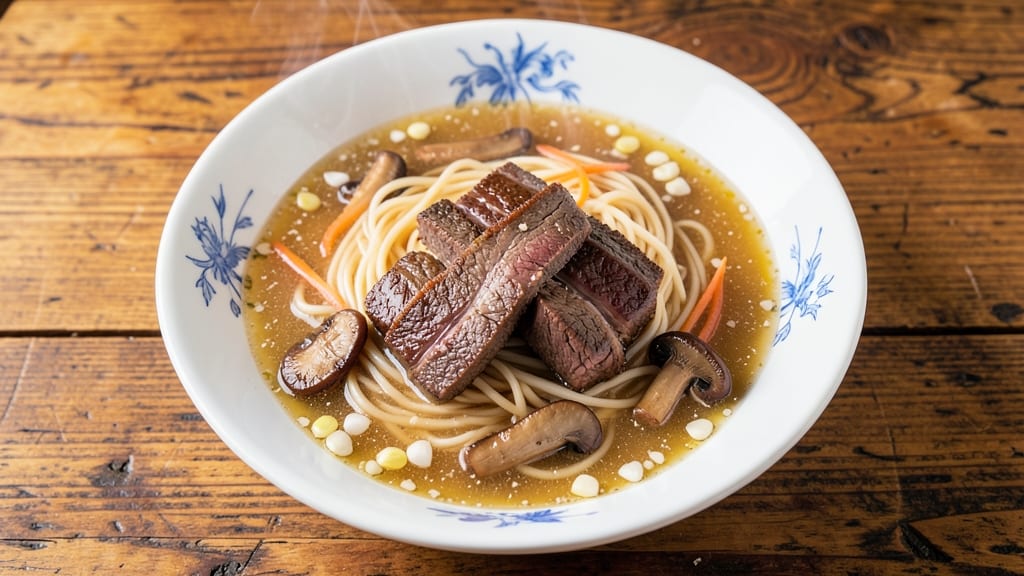
This beef soba noodle soup transforms simple ingredients into a restaurant-worthy bowl of silky noodles, tender beef, and deeply savory broth. The secret lies in two key techniques: itame searing for beef that stays juicy despite thin slicing, and a balanced broth that marries umami-rich dashi with earthy shiitake mushrooms.
I developed this recipe after years of testing—it’s the version that finally convinced even my skeptical family to skip takeout.
The broth builds flavor through layered simmering: kombu and bonito flakes create a clean, mineral-rich base, while ginger and garlic deepen the aroma. Thinly sliced ribeye (or brisket for budget-friendly results) cooks just long enough to melt in your mouth, never turning tough.
Soba noodles, with their nutty, wheat-free texture, absorb the broth beautifully, creating that perfect first bite of warm, springy strands.
What makes this recipe stand out is its balance—rich enough to satisfy, yet light enough for summer evenings. The broth remains clear and vibrant, not cloudy from overcooking, while the beef delivers that satisfying snap when cut.
Garnishes like toasted sesame seeds and chili oil add texture and heat without overpowering the delicate flavors.
Whether you're serving this as a comforting weeknight dinner or a special occasion dish, it delivers restaurant-quality results with minimal effort. The best part? Every bowl tastes like a little piece of Tokyo—warm, comforting, and impossibly tender. Let’s get cooking.
Ingredients for beef soba noodle soup
Restaurant-worthy flavors start with these 14 essential ingredients—simple but powerful.
| Ingredient | Amount | Notes |
|---|---|---|
| Ribeye Steak 🥩 | ½ lb | Thinly sliced against grain |
| Dried Soba Noodles 🍜 | 8 oz | Packaged, wheat-free variety |
| Dashi Stock 💧 | 4 cups | Homemade or quality instant |
| Shiitake Mushrooms 🍄 | 4 whole | Fresh, stems removed |
| Garlic Cloves 🧄 | 4 cloves | Minced for aromatic base |
| Fresh Ginger 🌿 | 1 ½ tbsp | Finely grated, organic preferred |
| Kombu Seaweed 🌊 | 1 sheet | Dried, for umami depth |
| Bonito Flakes 🐟 | 1 tbsp | Dried, for clean broth |
| Sesame Oil 🫒 | 1 tbsp | Toasted for aroma |
| Sesame Seeds 🥜 | 1 tbsp | Toasted for garnish |
| Chili Oil 🔥 | 1 tbsp | For finishing heat |
| Green Onions 🧅 | 2 whole | Thinly sliced for garnish |
| Diamond Crystal Kosher Salt 🧂 | 1 tsp | For seasoning broth |
| White Pepper 🌶️ | ½ tsp | Freshly cracked |
The beef is non-negotiable—ribeye gives that melt-in-your-mouth texture, but brisket works too if you're budget-conscious. Slice it against the grain for that satisfying snap. For the dashi, Hondashi brand is my go-to instant, but homemade kombu-bonito is worth the effort if you're feeling ambitious. Shiitake mushrooms? Fresh is best—they hold their shape better than dried. Grab organic ginger if you can; it's less fibrous and grates smoother. The soba noodles should be 100% buckwheat—anything less tastes like regular pasta.
No kombu? Dried shiitake mushrooms steeped in hot water work in a pinch. Short on bonito flakes? Dried anchovies at half the amount give similar umami. The sesame oil and chili oil can be swapped—toasted sesame paste plus a pinch of cayenne does the trick. For the garlic, roast it first for a sweeter flavor (microwave 30 seconds with a splash of water). Fresh ginger is ideal, but powdered at half the amount works if you're in a hurry. The green onions? Freeze any extras—they'll last months.
This soup tastes even better the next day—flavors meld beautifully when refrigerated. Store in airtight containers for 4-5 days or freeze portions for 3 months. I always double the broth and freeze it separately—perfect for quick lunches. The noodles? Cook them al dente, then rinse in cold water before adding to the hot broth to keep them springy. Garnishes like sesame seeds and chili oil should go on fresh—they lose their punch when stored.
Why You'll Love This Recipe
- Here’s the secret: ribeye is the star, but you’re not blowing your paycheck. A single steak stretches across two bowls, and the shiitakes add depth without costing a fortune. Leftovers? Even better—reheat the broth, toss in fresh garlic, and it tastes like you just made it. My wallet thanks me every time.
- One-Pot Magic: I swear by this—just sear the ribeye, toss in the shiitakes and garlic, then pour the dashi over everything. No extra bowls, no fuss. The noodles cook right in the broth, and suddenly you’ve got a restaurant-worthy bowl with zero cleanup.
- Umami Bomb: That ribeye turns tender and rich, while the shiitakes soak up the dashi like a sponge. Honestly, the first sip hits like a flavor explosion—salty, earthy, and deeply savory. It’s the kind of soup that makes you forget about sad takeout nights.
- Weeknight to Party Fix: Same recipe, different vibes. Need a quick dinner? Done in 25 minutes. Hosting friends? Double the batch and serve it in a big pot—suddenly you’re the hero. The soba noodles hold up perfectly, so it works for both lazy Mondays and unexpected guests.
Step-by-step instructions for beef soba noodle soup
Here's how to craft a restaurant-quality beef soba noodle soup with tender beef and umami-rich broth.
Prepare the Broth Foundation
In a large pot, combine the 4 cups dashi stock, 1 sheet kombu seaweed, and 1 tbsp bonito flakes. Bring to a gentle simmer over medium heat and let it steep for 5 minutes—this builds the umami base. Remove the kombu sheet (it's done after 5 minutes) and keep the broth simmering at a low bubble.
Add the 4 whole shiitake mushrooms (stems removed), 4 cloves minced garlic, and 1.5 tbsp finely grated fresh ginger. Let everything simmer for 8-10 minutes until the mushrooms soften and the aromatics meld into the broth. You'll notice the broth deepens in color and develops a rich, earthy aroma—this is your flavor foundation.
Cook the Beef to Tender Perfection
While the broth simmers, prepare the 0.5 lb ribeye steak by slicing it thinly against the grain into ¼-inch strips. Add the beef to the simmering broth and cook for 6-8 minutes until it becomes fork-tender. The beef should float to the surface and pull apart easily—this is your signal it's done.
I like to use a slotted spoon to gently submerge the beef slices every few minutes, ensuring even cooking. If you notice the broth starts to reduce too quickly, add ½ cup hot water to maintain the liquid level. The beef should remain juicy and tender, not tough or chewy.
Toast the Sesame Seeds and Prepare Garnishes
In a dry skillet over medium-low heat, toast the 1 tbsp sesame seeds for 2-3 minutes until they turn golden brown and release their nutty aroma. Watch them closely—they burn quickly. Transfer the toasted seeds to a small bowl and set aside for garnishing.
Slice the 2 whole green onions into thin rings, separating the white and green parts. Also, keep the 1 tbsp chili oil ready for finishing. These final touches add freshness, crunch, and a subtle kick to balance the rich broth.
Cook the Soba Noodles Al Dente
In a separate pot of boiling water, cook the 8 oz dried soba noodles for 4-5 minutes until al dente. They should still have a slight bite to them—they'll finish cooking in the hot broth. Drain the noodles and rinse briefly under cold water to stop the cooking process, then divide them evenly among 4 bowls.
Here's the thing—don't overcook the noodles. They'll absorb the hot broth and become tender without turning mushy. The slight resistance when bitten is what makes soba noodles special, so aim for that perfect al dente texture.
Assemble and Finish the Soup
Ladle the hot beef and broth over the noodles in each bowl, dividing evenly. Drizzle with 1 tbsp sesame oil and 1 tbsp chili oil, then sprinkle with the toasted sesame seeds and sliced green onions. Season each bowl with ¼ tsp diamond crystal kosher salt and ⅛ tsp white pepper.
Serve immediately while the broth is steaming and the noodles are hot. The combination of tender beef, silky noodles, and aromatic broth creates a harmonious balance of textures and flavors. Each spoonful should deliver rich umami from the broth, subtle heat from the chili oil, and a satisfying chew from the noodles.
Pro Tips For Making Beef Soba Noodle Soup
- Sear the Ribeye First: I used to toss the steak straight into the simmering broth, but that’s how you end up with gray, flavorless beef. Instead, sear the ribeye slices in a dry pan over high heat for 30 seconds per side—just until they’re deeply browned—before moving them to the soup. That crust carries the actual beef flavor into the broth, not the sad, watery version you get from poaching raw.
- Soak Soba Noodles Separately: The noodles will stick together like glue if you dump them straight into the hot broth. Instead, soak them in cold water for 5 minutes first, then drain and rinse under cold water to stop the cooking. Add them to the soup just before serving so they absorb the broth without turning mushy—this keeps them chewy and distinct.
- Slice Shiitake Thinly: Thick shiitake slices stay tough and chewy, no matter how long you simmer them. Instead, slice them paper-thin (about 1mm) so they soften quickly and soak up the dashi flavor. If you’re using dried shiitake, rehydrate them first, but don’t skip the final slicing—they’ll melt into the broth if left whole.
- Simmer Garlic Low and Late: Garlic burns faster than you think, especially in hot broth. After the beef and mushrooms have cooked for 10 minutes, add the minced garlic and turn the heat down to a bare simmer. Let it cook for just 2-3 minutes—just enough to perfume the broth without turning it bitter. No need to wait for it to brown; it’s about flavor, not color.
Wine and beer pairings for these flavors
Light Japanese Whites
For this delicate soup, I reach for crisp, dry Japanese whites that complement the umami without overpowering it. A Koshu from Japan’s Nagano region—specifically Hakkaisan—is my go-to. Its bright acidity and subtle citrus notes cut through the richness of the beef while enhancing the shiitake’s earthiness.
The mineral finish mirrors the broth’s clean, mineral-rich profile, making each sip feel like an extension of the dish. 🍷
Sake-Inspired Pairings
If you prefer something lighter, a junmai ginjo sake with a 15-16% alcohol content works beautifully. Look for brands like Dassai or Gekkeikan. The sake’s delicate floral and melon aromas harmonize with the sesame and chili oil, while its slight sweetness balances the soup’s savory depth.
Serve it slightly chilled—45-50°F—to highlight its crispness.
Craft Beer Options
For beer lovers, a Japanese-style lager like Asahi Super Dry or Sapporo Premium is ideal. The clean, crisp profile lets the soup’s flavors shine without competing.
If you’re feeling adventurous, try a wheat beer with a touch of citrus, like Sapporo Black Label, which pairs surprisingly well with the chili oil’s heat. Avoid heavy stouts or IPAs—they’ll drown out the soup’s delicate nuances. 🍺
Non-Alcoholic Refreshers
For a non-alcoholic match, a yuzu soda or sparkling green tea (like Calpis) adds a refreshing contrast. The tartness of yuzu cleanses the palate between bites, while the effervescence of green tea enhances the soup’s umami.
For something warmer, a ginger tea with honey complements the ginger in the broth and adds a soothing finish.
Wine and Beer Service Tips
Serve wine or beer slightly cooler than room temperature—50-55°F for whites and 45-50°F for lagers—to preserve their crispness. Pour just 4-5 oz per serving to avoid overwhelming the dish. I like to offer both a white wine and a beer option at gatherings—it lets guests choose based on mood.
Always taste the beverage alongside the soup first to ensure harmony. ✨
Nutrition facts
Frequently asked questions
Can I substitute regular pasta for soba noodles?
While you can use regular pasta in a pinch, it won't deliver the same authentic texture or flavor. Soba noodles have a nutty, earthy taste from their buckwheat content, and their wheat-free composition makes them lighter than traditional wheat pasta. If you must substitute, try udon noodles (chewier) or rice noodles (lighter) for better results.
How do I prevent the beef from getting tough?
Thinly slicing the beef against the grain is key—this shortens the muscle fibers for a tender bite. Also, cook it just until tender (6-8 minutes in simmering broth) and avoid overcrowding the pot. If using brisket, trim excess fat and marinate for 30 minutes in soy sauce before cooking.
Can I make this soup ahead of time?
The broth actually tastes better the next day as flavors meld. Store in airtight containers for 4-5 days in the fridge or 3 months frozen. Reheat gently on the stove—never microwave—to preserve texture. Cook noodles fresh when serving for best results.
What if I don't have kombu or bonito flakes?
No problem! For kombu, use dried shiitake mushrooms steeped in hot water (1:1 ratio). For bonito, try dried anchovies at half the amount or 1 tsp fish sauce. The broth will still be flavorful, though slightly different in depth.
How can I make this soup spicier?
Add 1 tsp gochujang (Korean chili paste) to the broth while simmering, or increase chili oil to 2 tbsp per serving. For heat without oil, stir in ½ tsp red pepper flakes during the final minute of cooking. Adjust to taste—start conservative!