
Soups & Stews
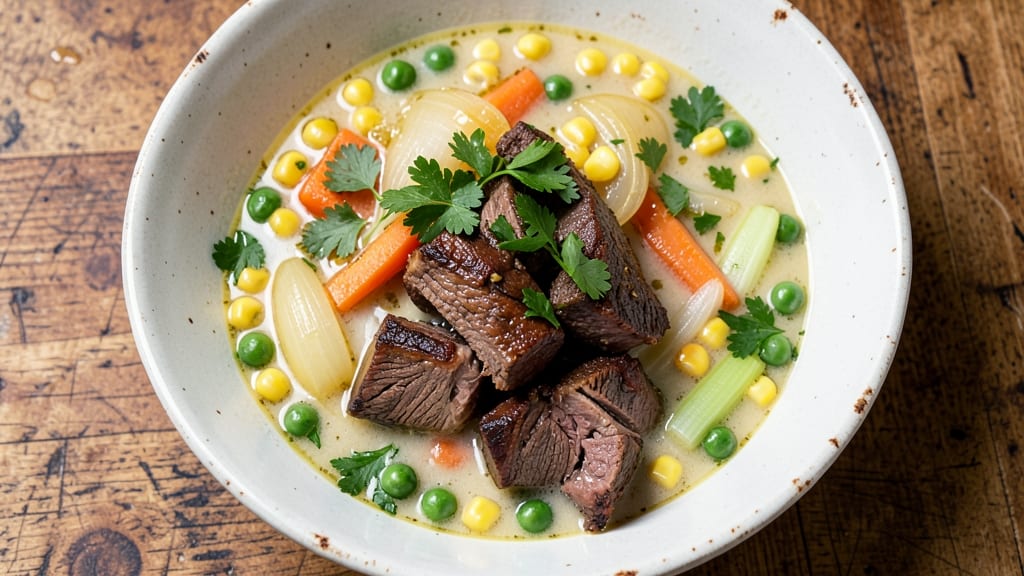
This beef vegetable soup recipe with frozen veggies transforms a weeknight dinner into a comforting, one-pot masterpiece in just 30 minutes. The beauty of using frozen vegetables is their convenience—no chopping, no waste, and all the nutrients preserved for a hearty bowl that tastes like it simmered all day.
I developed this recipe during a particularly busy season when I needed something nourishing, fast, and foolproof.
The secret to depth of flavor lies in browning the beef first—this step creates a rich, caramelized base that infuses the broth with savory notes. Frozen vegetables like carrots, peas, and corn release their natural sweetness as they cook, while a splash of tomato paste adds a subtle tang.
The result is a soup that’s tender, aromatic, and packed with the kind of warmth that turns ordinary days extraordinary.
What you’ll end up with is a one-pot soup that’s creamy from the natural release of starches, hearty from the beef, and vibrant from the vegetables—all while being effortlessly simple. The best part?
It reheats beautifully for leftovers, making it the ultimate meal prep solution. No fancy techniques, no last-minute grocery runs, just a bowl of comfort that’s ready when you are.
Perfect for chilly evenings, busy weeknights, or when you want to feed a crowd without the fuss. The recipe scales easily, and the ingredients are likely already in your freezer. Let’s get cooking—your taste buds (and your schedule) will thank you.
Ingredients for beef vegetable soup recipe frozen veggies
Sixteen ingredients for a soul-warming soup that’s ready in record time—your freezer’s about to become your best friend.
| Ingredient | Amount | Notes |
|---|---|---|
| Chuck Roast Beef 🥩 | 1 ½ lb | Pre-cubed for even cooking |
| Yellow Onion 🧅 | 1 whole | Diced, medium size |
| Carrots 🥕 | 1 ½ cups | Frozen, whole or baby |
| Peas 🌱 | 1 cup | Frozen, thawed |
| Corn Kernels 🌽 | 1 cup | Frozen, thawed |
| Celery Stalks 🧆 | 2 whole | Diced, fresh or frozen |
| Garlic Cloves 🧄 | 4 cloves | Minced, fresh |
| Tomato Paste 🍅 | 2 tbsp | Smooth, no sugar added |
| Beef Broth 💧 | 4 cups | Low-sodium preferred |
| Dried Thyme 🌿 | 1 tsp | Or 1 tbsp fresh |
| Bay Leaves 🍃 | 2 whole | Remove before serving |
| Salt 🧂 | 1 ½ tsp | Diamond Crystal kosher |
| Black Pepper 🌶️ | ½ tsp | Freshly ground |
| Olive Oil 🫒 | 1 tbsp | Extra-virgin for browning |
| Whole Wheat Bread 🍞 | 2 slices | Optional for thickening |
The beef is non-negotiable here—chuck roast breaks down beautifully, giving you that melt-in-your-mouth texture. Grab the pre-cubed kind from Costco or Walmart to save time, or cut your own if you're feeling ambitious. Frozen veggies are a game-changer: no chopping, no waste, and they keep perfectly until you're ready. For the best flavor, Trader Joe's frozen veggie mix is my go-to—it’s pre-portioned and packed with nutrients. The tomato paste? Muir Glen is my secret weapon—it’s smooth and never clumpy. And don’t skip the bay leaves—they add that subtle earthiness that makes homemade soup taste restaurant-quality.
No beef broth? Chicken broth in a pinch, though the flavor won’t be as rich. Fresh thyme is ideal, but dried works at one-third the amount—just crush it between your fingers to release the aroma. Swapping frozen veggies? Any combo of frozen mixed veggies will work, but stick to about 4 cups total for that perfect balance. The bread is optional but adds a lovely creaminess—whole wheat or sourdough both work, and you can toast it lightly for extra crunch. For a deeper flavor, toast the garlic in the olive oil until it’s golden—it’s worth the extra minute.
This soup tastes even better the next day as the flavors meld together. Store leftovers in an airtight container for up to 5 days in the fridge, or freeze for 3 months. I like to portion it into individual containers so I can grab a bowl whenever I need comfort. The veggies will soften further when reheated, so start with slightly undercooked if you prefer them al dente. And if you're meal prepping, double the batch—it reheats beautifully and makes lunches a breeze.
Why You'll Love This Recipe
- Fridge-to-Pot Magic: I swear by this—no chopping, no fuss. Just toss in whatever frozen veggies you’ve got (carrots, peas, corn) and let the slow cooker do the work while you’re still deciding what to watch on TV.
- Rich Without Effort: That chuck roast? It practically melts into tender, savory shreds on its own, while the onions caramelize just enough to add depth. Honestly, the flavor builds as it simmers—no fancy techniques needed.
- Leftovers That Beg for More: Make a double batch, and you’ll have hearty lunches for days. The broth thickens overnight, and the veggies stay bright—perfect for reheating without drying out. (Yes, even on a Tuesday night.)
- Budget-Friendly Crowd-Pleaser: A single roast stretches to feed four, and frozen veggies cut costs without sacrificing texture. It’s the kind of soup where no one asks, “What’s in it?”—they just ask for seconds.
Step-by-step instructions for beef vegetable soup with frozen veggies
This hearty beef vegetable soup comes together in one pot with minimal prep—perfect for busy weeknights.
🍳 Step 1: Sear the Chuck Roast Beef for Deep Flavor
Heat the 1 tablespoon olive oil in a large Dutch oven over medium-high heat until shimmering. Add the 1.5 lb chuck roast beef in a single layer, working in batches if needed, and sear undisturbed for 3-4 minutes per side until deeply browned. This step builds rich, caramelized flavor that forms the soup's foundation.
Once browned, transfer the beef to a plate. If you notice any fond (browned bits) sticking to the pot, don't scrape them yet—we'll deglaze later. The beef will cook further in the broth, so no need to worry about overcooking at this stage. Here's the thing—those browned edges mean umami-packed goodness in every spoonful.
👨🍳 Step 2: Build the Aromatic Base with Onions, Celery, and Garlic
In the same Dutch oven, add the 1 whole diced yellow onion and 2 whole diced celery stalks. Cook over medium heat for 5-6 minutes, stirring occasionally, until the vegetables soften and the onion becomes translucent. This process releases their natural sugars, which will caramelize slightly for added depth.
Add the 4 minced garlic cloves and cook for another 30 seconds until fragrant—don't let it brown or it'll turn bitter. Here's where it gets fun: Pour in the 2 tablespoons tomato paste and stir to coat the vegetables. Cook for 1 minute to toast the tomato paste, deepening its flavor. This step creates a rich, savory foundation that ties all the ingredients together.
🍳 Step 3: Deglaze and Simmer the Broth with Herbs
Carefully pour in the 4 cups beef broth, scraping up any browned bits from the bottom of the pot with a wooden spoon. This deglazing step captures all that concentrated beef flavor you worked so hard to create. Return the beef to the pot, then add the 1 teaspoon dried thyme, 2 whole bay leaves, 1.5 teaspoons salt, and 0.5 teaspoon black pepper. Bring to a gentle boil.
Once boiling, reduce heat to low and let it simmer uncovered for 1 hour. This slow cook time ensures the beef becomes fork-tender while the flavors meld beautifully. Here's the critical part: Taste the broth after 30 minutes—you may need to adjust seasoning. The beef will continue absorbing liquid as it cooks, so don't worry if it doesn't look fully submerged yet.
🥘 Step 4: Add Vegetables and Finish Cooking
After the beef has cooked for 1 hour, stir in the 1.5 cups frozen carrots, 1 cup frozen peas, and 1 cup frozen corn kernels. These vegetables cook quickly, so they'll absorb flavor without turning mushy. Simmer for another 10-15 minutes until the beef is fork-tender and the vegetables are heated through. The peas and corn should be bright green and tender-crisp.
Here's the moment that matters: Remove the 2 whole bay leaves before serving—they'll add bitterness if left in. For an optional thickening, tear the 2 slices whole wheat bread into small pieces and stir them into the soup during the final 5 minutes of cooking. This creates a naturally thickened, bread-based texture that's perfect for soaking up every last bit of flavor.
🍽️ Step 5: Serve Warm with Fresh Herbs
Ladle the soup into bowls and garnish with fresh parsley or thyme if you have it on hand. The soup should be rich and hearty, with tender beef that practically falls apart at the touch of a fork. Each spoonful delivers a perfect balance of savory beef, sweet carrots, and bright vegetables.
This one-pot wonder makes 6 generous servings that reheat beautifully for leftovers. The frozen vegetables keep it convenient without sacrificing flavor, and the slow-cooked beef ensures maximum tenderness. Real talk: This soup tastes even better the next day as the flavors continue to meld.
Pro Tips For Making Beef Vegetable Soup Recipe Frozen Veggies
- Brown the Beef First: That chuck roast won’t develop rich flavor if you just toss it in cold broth—it’ll turn out bland. Sear it in a hot pot with a little oil until it’s deep brown on all sides (about 5-7 minutes per side), then deglaze with a splash of water or beer. I learned this the hard way after making soup that tasted more like watered-down stew.
- Cut Carrots Uniformly: Frozen veggies are convenient, but carrots still need prep. Cut them into ½-inch chunks so they cook evenly—no mushy bits or undercooked centers. If you’re lazy (like me), a mandoline makes this step faster, but a sharp knife works too. Uneven pieces mean some will turn to mush while others stay crunchy.
- Add Peas Last: Peas cook in seconds, and if you dump them in too early, they’ll turn to gray mush. Wait until the last 5 minutes of simmering, then stir them in—same goes for corn. This keeps their texture bright and sweet, not sad and overcooked. Trust me, your soup will look and taste better.
- Use a Pressure Cooker: If you’re short on time, a pressure cooker cuts the cooking time from hours to about 45 minutes. Chuck roast becomes fork-tender without drying out, and frozen veggies stay vibrant. Just don’t skip the natural release—it makes all the difference in texture. (Yes, even if you’re impatient like me.)
Make-ahead tips for this dish
Freezer Prep Ahead
Double the recipe and freeze individual portions in quart-sized airtight containers—this makes lunches effortless. Let the soup cool completely before freezing to prevent ice crystals. I use Glasslock containers because they stack neatly and reheat evenly.
Label with the date—this soup stays delicious for up to 3 months in the freezer. 🥶
Refrigerator Storage
Store leftovers in the fridge for up to 5 days in an airtight container. The flavors actually deepen overnight as the broth absorbs the beef's juices. I always reheat portions in a pot with a splash of water or broth to restore moisture—microwaving can make it watery. 💡
Reheating Like a Pro
For stovetop reheating, bring the soup to a gentle simmer over medium-low heat for 10-15 minutes. Stir occasionally and add 1-2 tablespoons of water or broth if it thickens too much. If using frozen soup, thaw it in the fridge overnight first—never microwave frozen portions directly. 🔥
Make-Ahead Meal Prep
Prep all ingredients the night before: chop onions and celery, measure spices, and thaw frozen veggies. Store components in separate containers in the fridge. When ready to cook, simply dump everything into the pot and follow the recipe. This cuts active cooking time to just 20 minutes! 📅
Portion Control Tips
Use 1-cup portion containers for individual servings—this prevents over-eating while keeping meals balanced. The soup reheats perfectly in these containers, making it ideal for meal prep. I like to add a small piece of bread on the side to soak up extra flavor. 🍞
Flavor Boost Trick
Before storing leftovers, stir in 1 teaspoon of fresh lemon juice or a pinch of red pepper flakes to brighten flavors. This simple step makes reheated soup taste fresh and vibrant. Trust me, it makes all the difference! 🌶️
Nutrition facts
Frequently asked questions
Can I use any frozen vegetables in this beef soup?
The recipe works with any frozen veggie mix, but for best flavor, use a combination of carrots, peas, and corn (about 4 cups total). If you prefer potatoes, swap them in—they'll need 15-20 minutes extra cooking time. Just avoid watery veggies like zucchini or cabbage, which can dilute the broth.
Why does the recipe call for searing the beef?
Searing creates a rich, caramelized crust that adds deep umami flavor to the soup. This step is worth the extra 5 minutes—it transforms ordinary beef into something restaurant-quality. If short on time, sear in batches and keep the browned beef warm while you finish.
How can I make this soup creamier without dairy?
For a velvety texture, stir in 2 tablespoons cornstarch mixed with 2 tablespoons cold water during the last 5 minutes of cooking. Or blend 1 cup of the soup until smooth and return it to the pot. The bread thickening option also adds natural creaminess without dairy.
Can I substitute ground beef for chuck roast?
Yes! Use 1 lb ground beef instead, but brown it completely first for 5-6 minutes to develop flavor. The cooking time will reduce to 30-40 minutes total since ground beef cooks faster. Drain excess fat after browning if you prefer a lighter soup.
What if my soup tastes too salty?
Add ½ cup milk or water and simmer for 5 minutes to dilute the salt. For a stronger flavor fix, stir in 1 tablespoon lemon juice or a pinch of sugar to balance the saltiness. If using low-sodium broth, you may need to add extra salt at the end.