
Soups & Stews
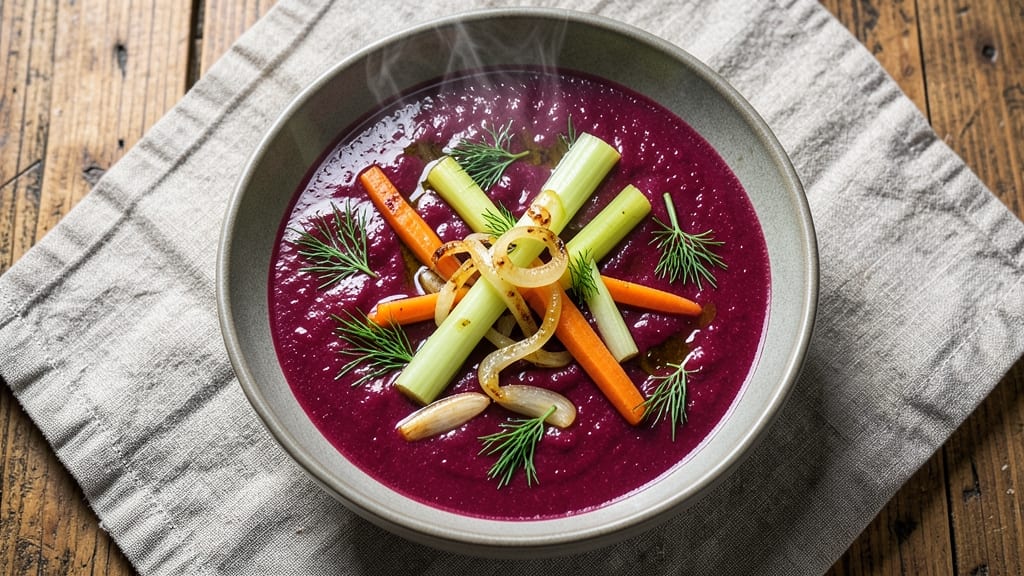
This beet vegetable soup recipe transforms humble roots into a velvety, earthy masterpiece that feels both comforting and sophisticated. The secret lies in roasting the beets first—this caramelization deepens their natural sweetness while creating a rich, concentrated base for the soup.
What sets this apart is the creamy swirls from blended cashew cream, which replace dairy without sacrificing richness or texture.
The process is straightforward yet transformative: roasted beets blend with aromatic vegetables, simmered until flavors meld into perfect harmony. The cashew cream adds a luxurious mouthfeel, while fresh herbs and a squeeze of lemon brighten the depth.
This isn't just soup—it's a celebration of beets' natural sweetness elevated into something restaurant-worthy.
What you'll achieve is a soup that's creamy yet light, vibrant yet deeply satisfying—each spoonful delivers layers of earthy sweetness balanced by bright acidity. The roasting technique ensures beets caramelize beautifully, while the cashew cream creates that signature velvety finish.
Perfect for chilly evenings or as a nourishing lunch, this recipe proves plant-based comfort food can be just as indulgent as traditional versions.
Serve with crusty bread to soak up every last drop, or pair with a simple green salad for contrast. The beauty of this recipe lies in its versatility—use it as a main dish or first course, and trust that the flavors will shine. Let's get cooking!
Ingredients for beet vegetable soup
Roasted beets and aromatic vegetables form the earthy foundation, elevated by velvety cashew cream swirls.
| Ingredient | Amount | Notes |
|---|---|---|
| Medium Beets 🍠 | 2 whole | Roasted, peeled, cubed |
| Yellow Onion 🧅 | 1 whole | Diced, medium size |
| Carrots 🥕 | 3 medium | Peeled, chopped into chunks |
| Celery Stalks 🌿 | 3 whole | Chopped, medium size |
| Garlic Cloves 🧄 | 4 cloves | Fresh, minced |
| Extra-Virgin Olive Oil 🫒 | ½ cup | For roasting and sautéing |
| Vegetable Broth 💧 | 4 cups | Low-sodium preferred |
| Raw Cashews 🥜 | ½ cup | Soaked 2 hours for cream |
| Fresh Lemon Juice 🍋 | 2 tbsp | Freshly squeezed |
| Fresh Thyme Leaves 🌿 | ¼ cup | Chopped, or 1 tbsp dried |
| Fresh Parsley 🌿 | ¼ cup | Chopped, for garnish |
| Sea Salt 🧂 | 1 ½ tsp | Diamond Crystal preferred |
| Black Peppercorns 🌶️ | ½ tsp | Freshly cracked |
| Crusty Bread 🍞 | 1 loaf | For serving |
The beets are the soul of this soup—roasting them first unlocks their natural sweetness and deepens their flavor. Look for medium-sized beets (about 6-8 oz each) with smooth, firm skins, no soft spots. Whole Foods or local farmers markets often carry the most vibrant selection. If using pre-cooked beets from a jar, drain and rinse them well to remove excess liquid. The carrots and celery should be fresh, crisp stalks—avoid any with wilted tops or soft spots. Trader Joe's usually has excellent organic options at a reasonable price. For the cashews, raw, unsalted is essential—they blend into a luxurious cream that replaces dairy without compromise.
No cashews? Silken tofu or soaked almonds work as substitutes, though texture will differ slightly. Swap fresh thyme for 1 tablespoon dried thyme, but reduce the amount by one-third. If you prefer a different vegetable base, substitute 1 cup of diced sweet potato for half the carrots. The lemon juice can be adjusted to taste—add more for brightness, less for subtlety. For a smokier profile, add ½ teaspoon smoked paprika to the roasted beets. The vegetable broth should be low-sodium to avoid over-salting the dish. If you're using a basic broth, reduce the added salt to 1 teaspoon. The crusty bread pairs beautifully—sourdough or a rustic baguette work best for soaking up the rich soup.
Roasted beets keep well in the fridge for 5-7 days—use them within that window for best flavor. Once blended, the cashew cream stays fresh for 4-5 days in an airtight container, covered with a thin layer of water to prevent browning. The soup itself reheats beautifully—gentle warming on low heat preserves its velvety texture. For meal prep, store components separately: roasted vegetables, broth, and cashew cream. Assemble and heat just before serving to maintain optimal texture. Freeze the soup (without the bread) for up to 3 months—thaw overnight in the fridge before reheating.
Why You'll Love This Recipe
- Roast First, Simmer Easy: I swear by roasting the beets and carrots—it caramelizes the edges into something ridiculously sweet and tender. Then? Toss everything into the pot with the sautéed onions and celery, add broth, and let it bubble. No fancy techniques, just hands-off magic while you stir in the garlic at the end.
- Earthy Meets Rich: That deep, almost wine-like sweetness from the roasted beets pairs perfectly with the sharp bite of raw garlic and the natural crunch of celery. Honestly, the first sip makes me think, "Wait, this is actually healthy?"—then I take another spoonful.
- Lunches for Days: Between us, this soup begs to be made in big batches. The flavors only get better the next day, and it reheats like a dream. Pack it in jars for work, freeze half for lazy nights, or bring it to a potluck—nobody will guess it’s packed with veggies.
- Pantry Staple Power: Onions, carrots, celery, garlic—these are the same ingredients I already have. Beets? I buy them in bulk when they’re on sale and roast a bunch at once. It’s the kind of recipe that turns grocery money into meals without breaking the bank.
Step-by-step instructions for earthy sweet beet vegetable soup
Transform humble vegetables into a velvety, deeply flavorful soup where roasted beets meet aromatic herbs and cashew cream.
🍳 Step 1: Roast the Vegetables for Deep Flavor
Preheat your oven to 400°F and line a baking sheet with parchment paper. Toss the 2 whole medium beets (peeled and cubed), 3 medium carrots (peeled and chopped), 3 whole celery stalks (chopped), and 1 whole yellow onion (diced) with 2 tablespoons of the 0.5 cup extra-virgin olive oil. Spread them in a single layer, ensuring even exposure to heat.
Roast for 30-35 minutes until the vegetables are tender and their edges are caramelized to a deep golden brown. The beets should soften easily when pierced with a fork, and the carrots and celery should yield to gentle pressure. This roasting process develops their natural sweetness and forms the soup's flavor foundation.
🍳 Step 2: Build the Aromatic Base
While the vegetables roast, heat 2 tablespoons of the remaining 0.5 cup extra-virgin olive oil in a large pot over medium heat. Add the 4 cloves minced garlic and sauté for 30 seconds until fragrant but not browned—garlic burns quickly, and you want to preserve its delicate flavor.
Add the roasted vegetables directly to the pot, along with the 0.25 cup chopped fresh thyme leaves, 1.5 teaspoons sea salt, and 0.5 teaspoon freshly cracked black peppercorns. Stir to combine, then pour in the 4 cups vegetable broth. Bring the mixture to a gentle simmer and cook for 15-20 minutes until the vegetables are completely tender and the flavors have melded.
🥘 Step 3: Create the Creamy Cashew Base
Drain the soaked 0.5 cup raw cashews (they should have absorbed liquid during their 2-hour soak) and transfer them to a blender or food processor. Add 2 tablespoons fresh lemon juice and ¼ cup water to create a smooth, creamy mixture. Blend until completely smooth, scraping down the sides as needed. This cashew cream will add richness without overpowering the earthy beet flavors.
Taste the cashew mixture and adjust seasoning if needed—add a pinch of salt or more lemon juice for brightness. Once smooth, pour the cashew cream into the simmering vegetable broth. Stir gently to combine, then reduce the heat to low and let the soup simmer for an additional 5 minutes to allow the flavors to integrate fully.
🍽️ Step 4: Finish and Serve
Remove the soup from heat and let it cool slightly for 5 minutes. Use an immersion blender to purée the soup until smooth, or carefully transfer it in batches to a countertop blender. The texture should be velvety, with no visible vegetable chunks—this ensures each spoonful delivers the perfect balance of creaminess and earthiness.
Strain the soup through a fine-mesh sieve if you prefer an ultra-smooth texture, then return it to the pot. Stir in the 0.25 cup chopped fresh parsley just before serving to add a bright, herbal finish. Ladle the soup into bowls and serve immediately with slices of crusty bread for dipping.
Pro Tips For Making Beet Vegetable Soup
- PEEL BEETS AFTER COOKING: Raw beets stain like a toddler’s art project, so save yourself scrubbing by peeling them after roasting or boiling—skin slides off effortlessly. Pro tip: Toss whole, unpeeled beets in the oven at 400°F for 45 minutes with olive oil and salt; the skins crisp up and peel away in seconds.
- SWEAT ONIONS LOW AND SLOW: High heat turns onions into burnt hockey pucks. Instead, keep the heat at a gentle simmer (just enough to see tiny bubbles around the edges) for 8–10 minutes—this draws out their sweetness without browning. I learned this the hard way after tasting soup that tasted like a sad campfire.
- CHOP CELERY SMALLER THAN YOU THINK: Celery stalks are stubborn—resist the urge to leave them in big chunks. Dice them into ¼-inch pieces; they’ll soften faster and blend seamlessly into the soup’s texture. (Yes, it takes a few extra minutes, but your future self will notice the difference.)
- BLANCH BEETS FIRST: Roasting beets is great, but for soup, blanching them for 10 minutes in boiling water first cuts cooking time in half and keeps them from turning to mush. Drain and shock in ice water before adding to the pot—this guarantees tender, not gluey, beets. (Your blender will thank you.)
Troubleshooting this dish
Muddled Beet Texture
If your soup turns out grainy or chunky despite blending, the beets might not have softened enough during roasting. Roast them for an extra 5-10 minutes until completely tender—pierce with a fork to check.
For ultra-smooth results, strain the blended soup through a fine-mesh sieve before serving. I’ve found that pre-roasting beets at 425°F for the last 10 minutes of roasting time intensifies their sweetness and tenderness. 💫
Cashew Cream Too Thin
If your cashew cream separates or feels watery, you likely used too much liquid during blending. Stick to the ¼ cup water measurement and blend until completely smooth. For extra richness, add 1 tablespoon neutral oil (like avocado oil) when blending.
Alternatively, reduce the water to 2 tablespoons and blend longer. I’ve also had success adding 1 teaspoon maple syrup to the cashew mixture for better emulsification. 🥜
Broth Overpowering Beets
If the vegetable broth dominates the flavor, reduce it to 3 cups instead of 4 cups to concentrate the beet’s natural sweetness. Simmer the soup uncovered for 5 minutes to evaporate excess liquid.
For a deeper beet flavor, add ½ teaspoon beet powder (available at health stores) to the broth while simmering. I’ve also found that using a homemade vegetable broth with carrot and celery tops adds subtle sweetness. 💧
Lemon Too Overpowering
If the lemon juice makes the soup taste too sharp, reduce it to 1 tablespoon or omit it entirely. Balance the acidity by adding a pinch of maple syrup or agave nectar to the cashew cream.
For a more complex flavor, try orange zest instead of lemon—it adds brightness without the same sharpness. 🍋
Soup Too Salty
If the soup tastes overly salty, dilute it by adding ½ cup extra vegetable broth and simmer for 5 minutes to even out the flavor. Avoid adding water, as it can dilute the cashew cream’s richness.
For future batches, taste the broth before adding the full 1.5 teaspoons sea salt—start with 1 teaspoon and adjust. I’ve also found that adding 1 extra carrot helps balance saltiness naturally. 🧂
Nutrition facts
Frequently asked questions
Why roast the beets instead of boiling them?
Roasting caramelizes the natural sugars in beets, creating a deeper, sweeter flavor that can't be achieved through boiling. The process also concentrates their earthy notes, giving the soup a more complex, restaurant-quality taste. Plus, roasted beets blend more smoothly into the cashew cream.
Can I make this soup without cashews?
Try blending ½ cup soaked silken tofu or ½ cup soaked almonds with 2 tablespoons lemon juice and ¼ cup water for a similar creamy texture. For a dairy-free alternative, coconut milk works well but adds a slightly tropical note—use ½ cup full-fat coconut milk and reduce the broth by ½ cup.
How can I make this soup spicier?
Add ½ teaspoon smoked paprika to the roasted vegetables or stir in 1 teaspoon chili flakes with the cashew cream. For heat lovers, blend in ½ teaspoon cayenne pepper with the cashew mixture. Garnish with a sprinkle of red pepper flakes or a dash of hot sauce before serving.
Will this soup taste the same if I use canned beets?
Canned beets won't caramelize like roasted ones, so the flavor will be milder and less sweet. If using canned, drain and rinse them well, then simmer in the broth for 10 extra minutes to soften. For best results, stick with fresh or frozen beets—they develop more depth of flavor.
Can I prepare this soup ahead of time?
Yes! Store the roasted vegetables and broth separately in the fridge for up to 3 days. Reheat the broth, then blend with the cashew cream. For the best texture, add fresh parsley and lemon juice just before serving. The soup also freezes beautifully for up to 3 months—thaw overnight in the fridge before reheating.