
Soups & Stews
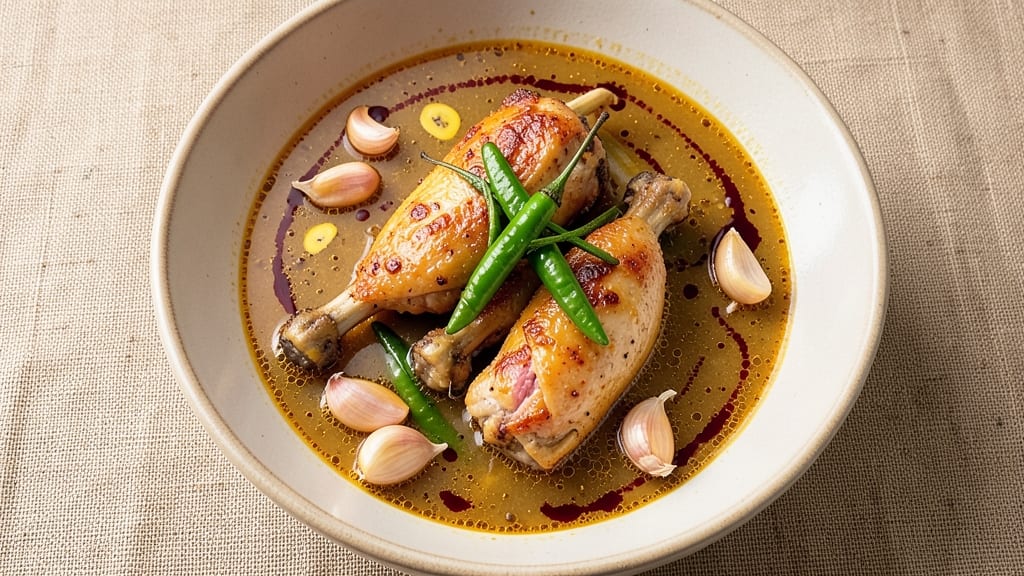
This Bengali chicken soup recipe delivers the comforting warmth of West Bengal’s home kitchens, where turmeric-infused broth and tender shreds of chicken create a dish that’s both nourishing and deeply flavorful.
The secret lies in slow-simmered mustard oil and aromatic spices that transform simple ingredients into something extraordinary—tender chicken, fragrant broth, and vegetables that melt into perfect harmony. What makes this recipe special is its balance of earthy spices and bright, citrusy notes that wake up every spoonful.
The foundation begins with mustard oil, which carries the soul of Bengali cuisine—its sharp aroma gives way to rich, nutty depth as it infuses the broth. Turmeric isn’t just a spice here; it’s the golden thread that ties everything together, lending both color and earthy warmth.
The chicken cooks low and slow until it shreds effortlessly, while potatoes and carrots soak up the flavorful broth, becoming tender yet holding their shape. This isn’t just soup—it’s a foolproof method for restaurant-quality results at home.
By the time you serve this, your kitchen will smell like home, and every bowl will be packed with tender chicken, creamy potatoes, and a broth so rich it feels like a hug.
The garnish of fresh cilantro and a drizzle of lemon brightens the dish, cutting through the spices with a refreshing finish. Perfect for chilly evenings or as a healing meal, this recipe brings the heart of Bengali cooking to your table.
Whether you’re serving a family gathering or simply craving comfort, this soup scales beautifully and tastes even better the next day. The leftovers keep their depth, making it an ideal make-ahead dish. Let’s get cooking—your taste buds will thank you.
Ingredients for bengali chicken soup
Mustard oil, turmeric, and tender chicken create this soul-warming Bengali soup.
| Ingredient | Amount | Notes |
|---|---|---|
| Chicken Thighs, Bone-In 🍗 | 1 ½ lb | Skin-on for flavor, cut into bite-sized pieces |
| Mustard Oil 🫒 | ¼ cup | For authentic Bengali aroma |
| Ground Turmeric 🌿 | 1 tbsp | Freshly ground for vibrant color |
| Fresh Ginger 🧅 | 2 tbsp | Grated, skin removed |
| Garlic Cloves 🧄 | 6 cloves | Minced for aromatic base |
| Green Chilies 🌶️ | 2 whole | Slit lengthwise for heat |
| Russet Potatoes 🥔 | 1 lb | Peeled, cut into 1-inch cubes |
| Carrots 🥕 | ½ lb | Peeled, cut into thick rounds |
| Onion 🧅 | 1 whole | Large, thinly sliced |
| Cumin Seeds 🌿 | 1 tbsp | Toasted for nutty depth |
| Bay Leaves 🌿 | 2 whole | For subtle earthy flavor |
| Fresh Cilantro 🌿 | ¼ cup | Chopped for garnish |
| Lemon Juice 🍋 | 2 tbsp | Freshly squeezed |
| Salt 🧂 | 1 ½ tsp | Adjust to taste |
| Water 💧 | 6 cups | For simmering broth |
Mustard oil is the star here—Indian grocery stores carry it, and it’s worth hunting down for that signature sharp aroma. Whole Foods or Trader Joe's often stock it too. Fresh turmeric root is ideal, but ground works in a pinch (just use one-third the amount). For the chicken, thighs stay juicier than breasts—bone-in adds extra flavor. The potatoes and carrots should be uniform size so they cook evenly. If you can't find mustard oil, vegetable oil works, but the flavor won't be quite the same.
No fresh ginger? Powdered works at half the amount. Skip the green chilies if you prefer mild heat—just add an extra pinch of salt. The bay leaves add depth, but if you can't find them, dried thyme at one-fourth the amount is a decent swap. For the broth, start with 6 cups water, but add more if needed—this soup gets richer as it simmers. The lemon juice brightens everything, so don't skip it even if you're not a fan of sour flavors.
This soup tastes even better the next day—3-4 days in the fridge, honestly. The flavors meld beautifully. For storage, keep it in an airtight container with a splash of water on top to prevent a skin from forming. Freezes well for up to 3 months, though the texture changes slightly. I always double the batch—leftovers make perfect lunches or healing meals when you're under the weather.
Why You'll Love This Recipe
- One-Pot Magic: I swear by this recipe—just toss the chicken thighs, ginger, and garlic into the pot, let the mustard oil work its golden spell, and boom. No separate pans, no stress. The bone-in thighs practically fall off the bone while the broth simmers into something rich and fragrant.
- Mustard Oil Magic: Honestly, that first hit of mustard oil—smoky, sharp, and unmistakable—is half the reason I make this. It cuts through the warmth of the turmeric and ginger, giving every spoonful this layered depth that store-bought broths can’t touch. (Yes, even on a Tuesday night.)
- Leftovers That Beg for More: Between us, this soup only gets better the next day. The flavors meld, the chicken stays juicy, and I’ve caught myself reheating it for lunch three times in a row. It’s my go-to for busy mornings—just add a splash of water, and it’s like it was made yesterday.
- Budget-Friendly Soul Food: Bone-in chicken thighs stretch this recipe into a full meal without breaking the bank, and the spices—turmeric, ginger, garlic—are pantry staples that pack serious flavor. I make a double batch on Sundays, freeze half, and still have a hearty, satisfying dinner ready for when I’m too tired to think.
Step-by-step instructions for Bengali chicken soup
Here's how to create a rich, aromatic broth with perfectly tender chicken and vibrant vegetables.
Prepare the Chicken and Aromatics
Cut the 1.5 lb chicken thighs into bite-sized pieces, leaving the skin on for maximum flavor. In a large pot, heat the 0.25 cup mustard oil over medium heat until shimmering but not smoking. Add the 1 tbsp cumin seeds and toast for 30 seconds until fragrant and lightly golden—this unlocks their nutty depth.
Add the 1 whole onion, sliced, and cook for 3-4 minutes until softened and translucent. Stir in the 2 tbsp fresh ginger and 6 cloves garlic, mincing them as you go. Cook for another 1 minute until the raw garlic smell disappears—this ensures you get pure aromatic flavor without bitterness. Finally, add the 2 whole green chilies (slit lengthwise) and 2 whole bay leaves. Let everything sizzle together for 30 seconds to meld the flavors.
Build the Turmeric-Infused Broth
Push the aromatics to one side of the pot and add the chicken pieces in a single layer. Sprinkle the 1 tbsp ground turmeric evenly over the chicken—this is the secret to that signature golden color. Let the chicken sear lightly for 2 minutes before stirring to distribute the spices.
Pour in the 6 cups water and bring the mixture to a rolling boil. Once boiling, reduce heat to medium-low and let it simmer uncovered for 20 minutes. Skim off any foam that rises to the surface—this keeps your broth clear and clean. The chicken should be turning opaque and starting to pull away from the bone slightly.
Add Vegetables and Simmer
Add the 1 lb russet potatoes (cut into 1-inch cubes) and 0.5 lb carrots (cut into thick rounds) to the pot. Stir gently to submerge them in the broth. Return the heat to medium-low and simmer for 20-25 minutes until the potatoes are fork-tender and the carrots are soft but still hold their shape.
Here's the thing—don't rush this step. The vegetables need time to absorb the rich flavors of the broth. You'll know they're done when a knife slides in easily and the broth has reduced slightly, becoming more concentrated and flavorful.
Finish with Lemon and Fresh Herbs
Once the vegetables are tender, stir in the 1.5 tsp salt and 2 tbsp lemon juice. The acidity brightens the dish and balances the richness of the broth. Taste and adjust the salt if needed—Bengali flavors should be bold but not overwhelming.
Remove the pot from heat and let it sit for 5 minutes to allow the flavors to meld. Then, stir in the 0.25 cup fresh cilantro, reserving a small handful for garnish. The fresh herbs add a bright, herbal note that cuts through the richness of the mustard oil and turmeric.
Serve Warm with Crispy Garnishes
Ladle the soup into bowls and garnish with the reserved cilantro. For extra authenticity, you can crisp up some cumin seeds in a dry pan and sprinkle them on top—this adds a delightful crunch and enhances the aroma.
Serve immediately while hot. Each spoonful should deliver tender chicken, flavorful broth, and a perfect balance of spices. The soup tastes even better the next day as the flavors continue to develop, but it's best enjoyed fresh when the broth is at its peak.
Pro Tips For Making Bengali Chicken Soup
- Brown the Chicken First: Skip the direct simmer—sear the bone-in thighs in mustard oil over medium-high heat until golden brown all over. This isn’t just for looks; it builds a deeper, nuttier flavor that cuts through the ginger-garlic punch later. (Yes, even if you’re impatient like me, resist the urge to rush this.)
- Grind the Ginger-Garlic Paste: Fresh ginger and garlic lose their bite when cooked whole. Pulse them into a rough paste before adding—this ensures they dissolve smoothly into the broth instead of sitting as chunks. I learned this the hard way after pulling out a garlic clove that hadn’t softened after 45 minutes.
- Control the Mustard Oil Heat: Mustard oil burns fast. Once you add the turmeric and spices, keep the flame low—just enough to sizzle, not smoke. High heat turns the oil bitter, and that overpowering kick ruins the balance of the soup. (Your future self will thank you for this.)
- Simmer the Broth Long Enough: Bengali chicken soup needs time—at least 40 minutes of gentle simmering to break down collagen from the bones and meld flavors. Don’t walk away; check the broth every 10 minutes. Rushed broth tastes thin and one-dimensional. (I know, I know, but trust the process.)
Flavor customization for this dish
Spice Level Control
Adjust heat to your taste by controlling the green chilies. For a mild version, remove the seeds and membranes before slicing—this reduces capsaicin by up to 70%. If you love heat, add an extra 1 tbsp finely chopped dried Kashmiri chilies to the mustard oil while toasting.
I like to keep mine medium by using just 1 green chili with seeds intact but halved lengthwise. 🌶️
Citrus Brightness
Lemon juice is essential for balancing the richness, but you can swap it for lime juice or even 1 tbsp tamarind paste for a tangy-sour depth. For a sweeter finish, add 1 tsp honey or ½ tsp jaggery to the final broth.
I’ve also seen Bengali home cooks use 1 tbsp yogurt at the end for creaminess—just stir it in last minute to prevent curdling.
Vegetable Variations
Swap potatoes for sweet potatoes or butternut squash for natural sweetness that pairs beautifully with the turmeric. Add ½ cup spinach or kale in the last 5 minutes of cooking for a nutrient boost.
For a heartier version, include ½ cup chickpeas—they absorb the broth’s flavors perfectly. I often add ½ cup pumpkin for a seasonal twist during fall.
Protein Swaps
Replace chicken with bone-in lamb shanks for a richer, gamey flavor—simmer for 45 minutes longer. For a vegetarian version, use firm tofu or chickpeas instead, and increase turmeric to 1.5 tbsp for vibrant color.
Shrimp lovers can add ½ lb peeled shrimp in the last 5 minutes of cooking. I’ve also made this with duck confit for a decadent weekend treat.
Mustard Oil Alternatives
If mustard oil is unavailable, toast 1 tbsp cumin seeds in ¼ cup neutral oil (like vegetable or avocado) until golden, then strain for a similar nutty aroma. For a lighter touch, use ½ cup coconut oil**—it adds a subtle sweetness.
Just remember, nothing replaces mustard oil’s signature sharp aroma, but these work in a pinch. 🫒
Nutrition facts
Frequently asked questions
Can I use chicken breast instead of thighs?
You can, but thighs stay juicier and more flavorful with the long simmering. If using breasts, cut them into 1-inch pieces and add them to the broth only after the potatoes and carrots have cooked for 10 minutes to prevent drying out. The skin-on thighs add richness that breast meat lacks, so consider keeping some thighs for authentic flavor.
Why does my soup taste too bitter?
Overcooking the onions or garlic can create bitterness, or the mustard oil may have burned. To fix it, add 1 tbsp lemon juice or ½ tsp sugar to balance the flavors. For future batches, remove the aromatics (onions, garlic) after they're softened but before they brown. Also, ensure your mustard oil is heated just until shimmering—not smoking.
How can I make this soup spicier?
Boost the heat by adding ½ tsp cayenne pepper or 1 tbsp finely chopped dried Kashmiri chilies with the cumin seeds. For a smoky kick, toast ½ tsp smoked paprika in the mustard oil before adding other spices. If you love raw heat, add 1 extra green chili (seeds and all) during the initial searing step.
Can I prepare this soup in an Instant Pot?
Yes! Sauté the aromatics (onion, ginger, garlic, cumin, chilies) in ¼ cup mustard oil for 2 minutes on "Sauté" mode. Add chicken, turmeric, and water, then pressure cook for 12 minutes. Quick-release the pressure, add potatoes and carrots, and cook on "High" for 5 minutes. Finish with lemon juice and cilantro. The Instant Pot reduces cooking time to about 30 minutes total.
What if I don't have mustard oil?
Use vegetable oil or avocado oil instead, but the flavor won't be identical. For a closer substitute, toast 1 tbsp cumin seeds in ¼ cup neutral oil until golden, then strain out the seeds. This adds a nutty depth that mimics mustard oil's aroma. Coconut oil works too, but it adds a slight sweetness that changes the profile.