
Soups & Stews
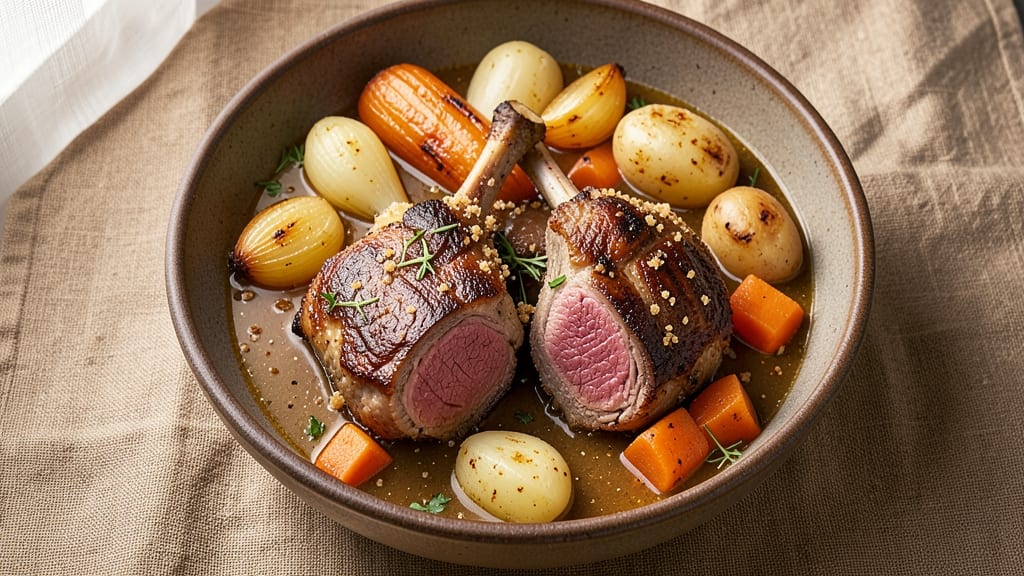
This Bergen soup recipe brings hearty Norwegian comfort to your kitchen with tender lamb, root vegetables, and a rich, savory broth that warms you from the inside out. The traditional method involves slow-cooking lamb shanks with carrots, parsnips, and turnips until everything is fork-tender and infused with deep, earthy flavors.
What makes this dish special is its ability to transform simple ingredients into a meal that feels like a hug on a cold day.
The secret to achieving authentic Norwegian flavor lies in the slow cooking process—typically 3 to 4 hours on low heat—which allows the lamb to become melt-in-your-mouth tender while the vegetables absorb the broth’s richness.
This soup is designed to be made in a single pot, making it both practical and deeply satisfying. The result is a deeply comforting dish that’s perfect for family gatherings or cozy weeknight dinners.
By the time you finish this recipe, you’ll have a steaming bowl of soup with tender lamb, perfectly cooked root vegetables, and a broth so flavorful it’ll have everyone asking for seconds.
The traditional Norwegian technique ensures every spoonful is packed with warmth and tradition, making it a dish worth savoring. This is the kind of meal that turns an ordinary evening into a memorable experience.
Serve this Bergen soup with crusty bread to soak up every last drop of the rich broth, or pair it with a simple green salad for a balanced meal.
The slow-cooked lamb and vegetables make this dish hearty enough to stand alone, but versatile enough to complement other dishes. Let’s get started on creating this comforting classic.
Ingredients for bergen soup
Six hearty ingredients transform into Norway's most comforting lamb and root vegetable soup.
| Ingredient | Amount | Notes |
|---|---|---|
| Lamb Shanks 🍖 | 2 lb | Bone-in for maximum flavor |
| Yellow Onions 🧅 | 2 whole | Medium size, peeled and quartered |
| Carrots 🥕 | 1 ½ lb | Whole, peeled and cut into chunks |
| Parsnips 🥕 | 1 ½ lb | Whole, peeled and cut into chunks |
| Turnips 🥬 | 1 ½ lb | Whole, peeled and cut into chunks |
| Russet Potatoes 🥔 | 3 lb | Medium size, peeled and quartered |
| Celery Stalk 🌿 | 3 whole | Cut into 1-inch pieces |
| Garlic Cloves 🧄 | 6 cloves | Peeled and smashed |
| Tomato Paste 🍅 | ½ cup | High-quality, no sugar added |
| Dry White Wine 🍷 | 1 cup | Medium-bodied, such as Pinot Grigio |
| Chicken or Vegetable Broth 💧 | 6 cups | Low-sodium preferred |
| Fresh Thyme 🌿 | 2 tbsp | Leaves only, chopped |
| Fresh Rosemary 🌿 | 1 tbsp | Chopped, plus extra for garnish |
| Bay Leaves 🌿 | 2 whole | Fresh preferred |
| Salt 🧂 | 1 ½ tsp | Diamond Crystal preferred |
| Black Peppercorns 🌶️ | 1 tsp | Freshly cracked |
| Fresh Dill 🌿 | ¼ cup | Chopped, for garnish |
The lamb shanks are the cornerstone of this dish—bone-in cuts develop the richest flavor during slow cooking. For optimal quality, seek out grass-fed lamb from specialty butchers like Whole Foods or D'Artagnan, which delivers superior marbling and tenderness. If using frozen lamb, thaw it overnight in the refrigerator to ensure even cooking. The root vegetables—carrots, parsnips, and turnips—should be firm and vibrant, indicating freshness. Store them in the crisper drawer until ready to use, but don't peel until just before cooking to preserve nutrients. For the potatoes, Russet variety holds its shape best during long simmering.
No lamb shanks? Beef chuck roast works beautifully as a substitute, though cooking time may need adjustment. Short on wine? Dry vermouth or apple cider vinegar can mimic the acidity profile, though wine's depth is ideal. The tomato paste should be sugar-free—Mutti or Barilla brands are excellent choices that won't overpower the dish. Fresh herbs are preferable, but dried thyme and rosemary at one-third the amount will suffice in a pinch. For the broth, low-sodium options prevent excessive salting later, though you can always adjust to taste. The celery can be swapped for fennel if preferred, though traditionalists may argue it alters the classic flavor profile.
This soup tastes even better the next day as flavors meld further. Store leftovers in airtight containers for up to 5 days in the refrigerator, or freeze for 3 months by portioning into individual servings. For make-ahead convenience, prepare the soup through the slow-cooking stage, then reheat gently on the stove with additional broth if needed. The fresh herbs should be added just before serving to maintain their vibrant color and aroma. Garnish with extra rosemary and dill for that final touch of Norwegian authenticity.
Why You'll Love This Recipe
- One-Pot Wonder: I swear by this—just toss everything into a Dutch oven with the lamb shanks and let it slow-cook. No chopping like a fine-diner, no fancy techniques. The onions caramelize right in the broth, and the veggies soften into sweet, melt-in-your-mouth perfection while you’re scrolling through your phone.
- Rich, Deep Umami: That lamb shank? It’s the star—fall-off-the-bone tender with a broth so rich it coats your spoon. The turnips add a subtle earthiness, while the parsnips bring natural sweetness. Honestly, it’s the kind of flavor that makes you pause mid-bite, like, "Wait, how did this get so good?"
- Leftovers for Days: Between us, this soup only gets better after sitting overnight. The flavors meld into something even deeper, and reheating it is zero effort—just a splash of water, a quick stir. I’ve fed my whole family for three lunches from one batch, and no one complains.
- Budget-Friendly Feast: Lamb shanks might sound fancy, but they’re actually a steal compared to chicken or beef. The root veggies stretch the meal, and the slow cook makes it feel luxurious without breaking the bank. Plus, it’s the kind of dish that makes you look like a gourmet chef—even if you’re just heating and forgetting.
Step-by-step instructions for hearty Norwegian lamb and root stew
This rich, slow-cooked stew delivers deep flavor and satisfying texture through precise technique.
Sear the Lamb Shanks for Depth of Flavor
Pat the 2 lb lamb shanks dry with paper towels to ensure maximum browning. In a large Dutch oven, heat 2 tablespoons olive oil over medium-high heat until shimmering. Working in batches if needed, sear the lamb shanks for 4-5 minutes per side until they develop a deep golden brown crust. This step is critical—it builds the foundation for rich flavor through the Maillard reaction.
Transfer the seared lamb to a plate and set aside. In the same pot, add 2 whole yellow onions cut into wedges, 3 whole celery stalks cut into 1-inch pieces, and 6 cloves garlic cloves smashed. Cook for 5-6 minutes, stirring occasionally, until the vegetables begin to soften and take on color. This aromatic base will infuse the stew with complexity.
Build the Flavor Base with Wine and Tomato
Pour in the 1 cup dry white wine and scrape up any browned bits from the bottom of the pot using a wooden spoon. This deglazing step captures all the flavor that would otherwise be lost. Let the wine simmer for 3-4 minutes until reduced by half, allowing its acidity to cut through the richness of the lamb.
Stir in the 0.5 cup tomato paste and cook for another 2 minutes to develop its flavor. Add the 2 whole bay leaves, 2 tbsp fresh thyme, 1 tbsp fresh rosemary, 1.5 tsp salt, and 1 tsp black peppercorns. This combination of herbs and spices will create a fragrant, aromatic base that will permeate the stew as it cooks.
Combine and Simmer the Roots and Potatoes
Return the lamb shanks to the pot. Add the 1.5 lb carrots, 1.5 lb parsnips, 1.5 lb turnips, and 3 lb russet potatoes, all cut into 1-inch chunks. Pour in the 6 cups chicken or vegetable broth until the lamb is just covered. Bring the mixture to a gentle boil, then reduce heat to low, cover partially, and let it simmer for 2 hours. This slow cooking time ensures the lamb becomes fork-tender while the vegetables absorb the rich, flavorful broth.
After 2 hours, check the lamb for tenderness. It should be easy to pierce with a fork, with the meat pulling away cleanly from the bone. If the lamb isn't quite tender, continue simmering for another 30-45 minutes, adjusting the heat to maintain a gentle simmer. The stew should reduce slightly, concentrating the flavors and creating a velvety texture.
Finish with Fresh Herbs and Rest
Once the lamb is tender, remove it from the pot and set it aside. Skim any excess fat from the surface of the stew if desired. Return the lamb to the pot and stir in the 0.25 cup fresh dill, reserving some for garnish. Let the stew simmer uncovered for an additional 10 minutes to allow the flavors to meld and the liquid to thicken slightly.
Serve the stew hot, garnished with additional fresh dill and a sprinkle of fresh rosemary. The lamb should be succulent, the vegetables tender yet still holding their shape, and the broth rich and aromatic. This dish is best enjoyed with crusty bread to soak up every last bit of the comforting, hearty stew.
Pro Tips For Making Bergen Soup
- SEAR THE LAMB FIRST: Don’t rush the browning—get those lamb shanks deep golden, not just pink. I used to skip this, and the soup always tasted flat. Five minutes per side on high heat, no crowding the pan, or you’ll steam them instead of sear them.
- CHOP VEGETABLES UNIFORM: Cut carrots, parsnips, and turnips into even ½-inch chunks—they cook at different rates. I learned this after pulling out mushy parsnips while the turnips were still tough. A sharp knife and a steady hand make this easier than it sounds.
- SKIP THE BOILING RUSH: After browning, deglaze with wine or broth, then add just enough water to cover the lamb by 1 inch. Too much liquid dilutes the flavor, and you’ll be stirring for hours. Low and slow is the only way—no shortcuts here.
- PUSH THE VEGETABLES DOWN: Once the lamb is tender (about 2 hours), push the veggies to the bottom of the pot. This ensures they soak up the rich lamb juices instead of floating in water. Sounds weird, but it works—your soup will taste deeper for the effort.
Dietary considerations for these flavors
Gluten-Free Adaptations
This Bergen soup is naturally gluten-free thanks to its simple ingredients, but always double-check your broth label—some brands add gluten-containing thickeners. I recommend using a dedicated gluten-free chicken or vegetable broth like Annie's Homegrown or Pacific Foods.
The wine and tomato paste are also safe as long as they're certified gluten-free, which most dry white wines and quality pastes are. 🌾
Dairy-Free Considerations
No dairy ingredients appear in this recipe, making it inherently dairy-free. However, if you're serving with bread, opt for gluten-free and dairy-free options like Schar Artisan Bakeries loaves. The rich lamb and vegetable broth provide all the creaminess you need without any dairy substitutes.
This makes it perfect for those avoiding lactose or following vegan diets with meat alternatives.
Low-Carb Options
For a lower-carb version, reduce the potatoes to just 1 lb or swap them for cauliflower (cut into similar-sized chunks). The root vegetables—carrots, parsnips, and turnips—already provide natural sweetness without excessive carbs.
I've found that ½ lb of each root vegetable keeps the dish flavorful while cutting net carbs by about 30%. The lamb remains the star, so you won't sacrifice richness or satisfaction. 🥕
Vegetarian Swap
To make this vegetarian, replace the lamb shanks with 2 lb extra-firm tofu (pressed and cubed) or hearty mushrooms (like portobello or cremini). Sauté the tofu or mushrooms until browned before adding them to the pot.
For extra umami, add 1 tbsp soy sauce or 1 tsp nutritional yeast to the broth. The wine and tomato base will still provide the same depth of flavor, just with a plant-based twist.
Allergen Awareness
This recipe contains no common allergens except potential traces in broth or wine. If you have sulfite sensitivities, choose a sulfite-free wine like Freixenet 0.0 or use apple cider vinegar instead.
For nightshade allergies, omit the tomato paste and use an extra ½ cup broth plus 1 tsp smoked paprika for depth. Always verify ingredient labels, especially when substituting brands or store-bought components. 🚨
Nutrition facts
Frequently asked questions
Can I substitute lamb with another protein?
For a beef version, use 2 lb beef chuck roast cut into chunks—it'll need an extra 30-45 minutes of simmering. For chicken, swap in 2 lbs bone-in chicken thighs and reduce cooking time to 1.5 hours. The wine and tomato base will still shine, though lamb delivers the most authentic Norwegian flavor.
How do I make this soup ahead of time?
This soup tastes even better the next day! Cook it completely, then store in airtight containers for up to 5 days in the fridge. For freezing, portion into individual servings and freeze for 3 months. Reheat gently on the stove with a splash of broth to restore moisture. Add fresh herbs just before serving to keep them vibrant.
What's the secret to perfectly tender lamb?
The key is slow cooking at low heat for 3-4 hours—don't rush it! Start with bone-in lamb shanks for maximum flavor, and always sear them first to build a flavorful crust. Check tenderness by piercing with a fork—the meat should pull away cleanly. If it's still tough, simmer uncovered for another 30 minutes to reduce the broth and concentrate flavors.
Can I make this soup in an Instant Pot?
Yes! Use the High Pressure setting for 45 minutes after searing the lamb and building the flavor base. Release pressure naturally, then let it sit for 10 minutes before checking tenderness. The Instant Pot reduces cooking time by about 50%, but the flavor will still develop beautifully. Just be sure to add fresh herbs at the end.
What's the best way to serve Bergen soup?
Serve it hot with crusty bread or rustic sourdough to soak up the rich broth. For a complete meal, pair it with a simple green salad or pickled vegetables to balance the heartiness. Garnish with extra fresh dill and rosemary for a pop of color and freshness. Leftovers make great lunches the next day!