
Soups & Stews
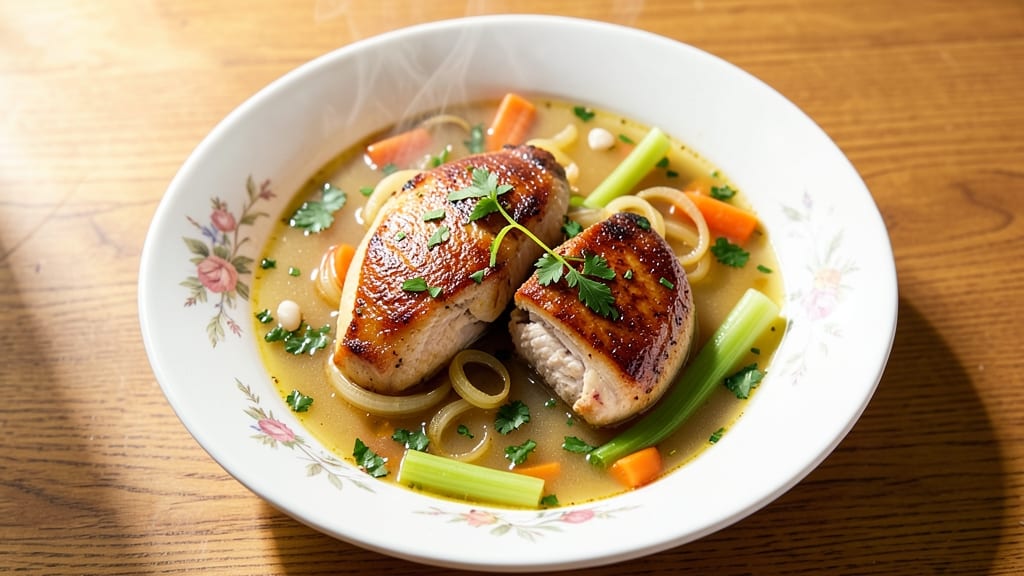
This best-tasting chicken soup recipe delivers restaurant-quality comfort in one aromatic bowl—homemade broth so rich it sings, and shredded chicken so tender it falls apart at the touch. The secret lies in slow-simmered aromatics and a pressure cooker shortcut that transforms tough chicken into melt-in-your-mouth perfection in under an hour.
No store-bought shortcuts here; just layers of savory depth from toasted spices and fresh herbs that elevate every spoonful.
What sets this recipe apart is the balance: a perfectly tender chicken breast that shreds easily, vegetables that stay vibrant without turning to mush, and a broth so flavorful it needs no garnish.
The pressure cooker method preserves nutrients while cutting prep time by half, but the stovetop version delivers the same results for those who prefer traditional simmering. Every ingredient plays a role—carrots for natural sweetness, celery for earthiness, and bay leaves that infuse the broth with subtle complexity.
The moment you lift the lid, your kitchen will transform into a cozy haven—warm, fragrant steam curling into the air, the sight of golden broth glistening with herbs. That first bite? Creamy yet bright, with chicken so tender it dissolves on your tongue and vegetables that pop with freshness.
This isn't just soup; it's a hug in a bowl, the kind of meal that disappears faster than you can say "seconds, please."
Serve it as-is for a clean, elegant bowl, or add a sprinkle of fresh parsley for color and a squeeze of lemon for brightness. Leftovers? Even better the next day as flavors meld and deepen.
Whether you're battling a cold, feeding a crowd, or simply craving comfort, this recipe delivers homemade satisfaction that store-bought versions can't match.
Ingredients for best tasting chicken soup
Here's what transforms ordinary ingredients into restaurant-quality chicken soup.
| Ingredient | Amount | Notes |
|---|---|---|
| Boneless, Skinless Chicken Breast 🍗 | 2 ½ lb | Pounded to even thickness |
| Yellow Onion 🧅 | 1 whole | Chopped into half-moons |
| Carrots 🥕 | 4 medium | Peeled and cut into chunks |
| Celery Stalks 🧆 | 4 whole | Trimmed and cut into pieces |
| Garlic Cloves 🧄 | 6 cloves | Minced or crushed |
| Fresh Parsley 🌿 | ¼ cup | Chopped for garnish |
| Fresh Thyme 🌿 | 2 sprigs | Or 1 tsp dried thyme |
| Fresh Bay Leaves 🍃 | 2 whole | For deep flavor infusion |
| Extra-Virgin Olive Oil 🫒 | ¼ cup | For sautéing aromatics |
| Dry White Wine 🍷 | 1 cup | Substitute with chicken broth |
| Chicken Broth 💧 | 6 cups | Homemade or high-quality store-bought |
| Lemon Juice 🍋 | 1 tbsp | Freshly squeezed |
| Salt 🧂 | 1 ½ tsp | Kosher or sea salt |
| Black Pepper 🌶️ | ½ tsp | Freshly ground |
| All-Purpose Flour 🌾 | 1 tbsp | For thickening broth |
The chicken is the star—bone-in, skin-on thighs would be ideal, but breasts work too if pounded thin. Look for organic or free-range at Whole Foods or your local butcher for richer flavor. Fresh herbs make all the difference: thyme and bay leaves should smell vibrant, not dusty. The carrots and celery? Bright orange and crisp—avoid those sad, limp ones. For the broth, homemade is best, but Pacific Foods or Kettle & Fire brands are solid shortcuts. If you're using a pressure cooker, this is where it earns its keep—20 minutes on high pressure turns tough chicken into shreds.
No white wine? Extra chicken broth plus a splash of lemon juice keeps it balanced. Fresh thyme too expensive? Dried works at one-third the amount, but the flavor won't be quite the same. The flour is just for thickening—skip it if you prefer a lighter broth. For extra richness, stir in 1 tbsp of unsalted butter at the end. The lemon juice is non-negotiable—brightens the whole bowl. And if you're prepping ahead, freeze the shredded chicken separately so you can reheat just the broth when needed. The veggies can wait until serving to keep them crisp.
This soup tastes even better the next day as flavors meld—double the batch and freeze half. Store leftovers in the fridge for 4-5 days, or freeze for up to 3 months. For reheating, add a splash of water or broth to prevent drying out. The broth alone freezes beautifully—just thaw and reheat with fresh veggies when you're ready. And that first sip of hot, aromatic broth? Worth every minute of simmering time.
Why You'll Love This Recipe
- No-Chop Shortcut: I swear by the "two-minute prep" trick: just dice the onion, carrots, and celery into rough chunks—no fancy knife work needed. The chicken shreds itself after simmering, so you’re basically done before the timer goes off.
- Garlic Bomb Depth: Between us, that one extra smashed garlic clove in the broth is what turns this from good to ridiculously good. The slow simmer lets it mellow into this rich, savory backbone that makes every spoonful worth waiting for.
- Lunchbox Hero: Honestly, this is my secret weapon for packing lunches. The flavors hold up for days, and I’ll often double the batch—half for dinner, half for work. Toss in a few crackers or bread, and suddenly you’ve got a meal that feels like a hug in a thermos.
- Budget Win: Skinless chicken breast keeps costs low, but the carrots and celery stretch the broth so well you’ll have leftovers for at least three more meals. (Yes, even on a Tuesday night when you’re broke and tired.) Plus, the veggies are cheap enough to play with quantities without stress.
Step-by-step instructions for homemade chicken soup
Here's how to transform simple ingredients into a restaurant-quality soup with rich broth and melt-in-your-mouth chicken.
Sear the Chicken for Maximum Flavor
Pat the 2.5 lb boneless, skinless chicken breast dry with paper towels—this helps create a better sear. Heat the 0.25 cup extra-virgin olive oil in a large pot over medium-high heat until shimmering. Working in batches if needed, add the chicken and cook for 4-5 minutes per side until golden brown and just cooked through (internal temperature should reach 165°F).
Don't overcrowd the pan or the chicken will steam instead of sear. The golden crust we're creating will dissolve into the broth, forming the flavor foundation. Remove the chicken and set it aside on a plate—we'll return to it later.
Build the Aromatic Base
In the same pot, reduce heat to medium and add the chopped 1 whole yellow onion, cut 4 medium carrots, and trimmed 4 whole celery stalks. Cook for 5-6 minutes, stirring occasionally, until the vegetables begin to soften. Add the 6 cloves minced garlic and cook for another 30 seconds until fragrant—this is where all the magic happens.
Add the 2 sprigs fresh thyme, 2 whole fresh bay leaves, 1.5 tsp salt, and 0.5 tsp black pepper. Stir everything together and cook for 1 minute to let the spices bloom. Here's the thing—these aromatics need time to develop their flavors before we add liquid. If you rush this step, your soup will taste flat.
Deglaze and Simmer the Broth
Pour in the 1 cup dry white wine and scrape up all those delicious browned bits from the bottom of the pot with a wooden spoon. This deglazing step captures all the flavor we worked so hard to create. Let the wine simmer for 2-3 minutes until it reduces by about half and the alcohol cooks off.
Add the 6 cups chicken broth and bring everything to a gentle simmer. Return the chicken to the pot, along with the 1 tbsp lemon juice. The acidity will help tenderize the chicken as it cooks. Partially cover the pot and let it simmer gently for 20-25 minutes, until the chicken is fork-tender and easily shreds with two forks.
Thicken and Finish the Soup
Remove the chicken from the pot and set it aside. In a small bowl, whisk together the 1 tbsp all-purpose flour with 2 tablespoons of cold water to make a slurry. Slowly pour this into the simmering broth while stirring constantly. The soup should begin to thicken slightly—this helps create that perfect soup consistency.
Return the shredded chicken to the pot and let everything simmer together for another 5 minutes. Taste and adjust seasoning with more salt or pepper if needed. The broth should be rich and flavorful, with the chicken falling apart at the touch of a fork. If it's too thick, you can thin it with a little hot water or broth.
Garnish and Serve Warm
Ladle the soup into bowls, garnishing each serving with a sprinkle of the 0.25 cup chopped fresh parsley. The bright green color not only looks beautiful but also adds a fresh contrast to the rich soup. Serve immediately while hot—this soup tastes best fresh from the pot.
Here's the secret to serving it perfectly: each bowl should have tender chicken, vibrant vegetables, and a rich, flavorful broth that coats a spoon. The lemon juice brightens the flavors, while the parsley adds a fresh finish. This is comfort food at its finest—simple ingredients transformed into something truly special.
Pro Tips For Making Best Tasting Chicken Soup
- Sear the Chicken First: Skip the soft-boiled chicken and brown the breasts in a hot pot with oil before adding broth. The Maillard reaction adds depth—just don’t overcrowd the pan or the meat will steam instead of develop color. I learned this the hard way after serving soup with pale, bland chicken.
- Mince the Onion Fine: Chop the yellow onion into tiny pieces—think rice-sized—not just rough dice. Finely minced onion dissolves into the broth, infusing flavor without texture. My grandmother swore by this, and she was right: it’s the thing that makes homemade soup taste restaurant-quality.
- Don’t Boil the Celery: Celery turns to mush and bitterness if simmered too long. Add it after the chicken and carrots have cooked for 15 minutes, then remove it just before serving. This keeps it crisp and lets you garnish the soup—because presentation matters, even if no one’s watching.
- Use Cold Chicken: Pull the chicken out of the fridge and let it sit for 20 minutes before cooking. Cold meat tightens up, making it tougher to shred evenly. Warm it up first, and you’ll end up with flaky, tender pieces that melt in your mouth. (Yes, even if you’re impatient like me.)
Troubleshooting this recipe
Broth Too Thin?
If your soup ends up watery, don’t panic—this happens when broth absorbs too much liquid from veggies. Simmer uncovered for 5-10 extra minutes to reduce the liquid naturally.
For faster results, whisk 1 tbsp cornstarch with 2 tbsp cold water, stir into the soup, and simmer for 2 minutes. Avoid over-thickening, though—your broth should coat a spoon but still be drinkable. 💧
Chicken Not Tender?
Undercooked chicken ruins the texture. Use a meat thermometer—it should reach 165°F before shredding. If it’s still tough after simmering, try pounding the breasts thinner (¼-inch thick) before cooking.
For extra tenderness, add ½ cup chicken broth and simmer 10 more minutes covered. Never skip the lemon juice—its acidity breaks down fibers faster. 🍗
Vegetables Mushy?
Overcooking turns veggies into a sad, mushy mess. Add carrots and celery only in the last 10 minutes of simmering—they’ll stay crisp yet tender. For even more control, blanch them in boiling water for 2 minutes, then shock in ice water before adding to the soup.
Pro tip: Use young carrots (smaller, sweeter) and celery with tight stalks for better texture. 🥕
Broth Too Salty?
Oversalting is a common rookie mistake. Taste as you go—add salt gradually. If it’s too salty, dilute with extra broth (½ cup at a time) or add 1 diced potato while simmering—it’ll absorb excess salt.
For a quick fix, stir in 1 tbsp lemon juice (cuts saltiness) or a pinch of sugar to balance. Prevention is key: Start with 1 tsp salt and adjust. 🧂
Lacking Depth of Flavor?
Flat broth means underdeveloped aromatics. Toast your spices—lightly brown the onion, carrot, and celery for 8-10 minutes before adding garlic. Char the bay leaves slightly over a flame for 30 seconds to intensify their flavor.
Finish with a splash of fish sauce (½ tsp) or soy sauce (1 tsp) for umami richness. A roasted garlic clove (cut in half) added during simmering adds another layer of complexity. 🌶️
Grainy or Clumpy Broth?
This happens when flour isn’t dissolved properly. Whisk the slurry vigorously before adding to the broth, and stir constantly for 1-2 minutes after pouring. For a smoother texture, strain the broth through a fine-mesh sieve before returning the chicken.
If using a pressure cooker, reduce the heat to low after cooking to prevent lumps from forming. 🥄
Nutrition facts
Frequently asked questions
Can I use chicken thighs instead of breasts for richer flavor?
Chicken thighs are perfect—they stay juicier and add deeper flavor to the broth. Use 2.5 lb bone-in, skin-on thighs (about 4-5 pieces) and skip searing. Simmer them 30-40 minutes until fork-tender, then shred. The skin will render fat that enriches the broth naturally.
How do I make this soup vegetarian?
Swap the chicken for 1 lb mushrooms (shiitake or cremini) and 1 block firm tofu (pressed and cubed). Use vegetable broth, add 1 tbsp soy sauce for umami, and boost aromatics with an extra 1 tsp smoked paprika. Simmer 20 minutes for tender tofu.
Can I make this in an Instant Pot?
Yes! Sauté aromatics, then add chicken, wine, broth, and lemon juice. Cook on high pressure for 12 minutes (breasts) or 15 minutes (thighs), then quick-release. Shred the chicken, thicken with cornstarch slurry, and finish with parsley. The pressure cooker cuts time by half while keeping flavors intense.
Why does my broth taste bland compared to restaurant versions?
Restaurant broths often use roasted vegetables and charred aromatics for depth. Try toasting your onion, carrots, and celery in oil until browned before adding garlic. Add a roasted garlic clove (halved) during simmering, and finish with 1 tsp fish sauce or a pinch of MSG for umami.
How long will leftovers keep in the fridge?
Store in an airtight container for 4-5 days. Reheat gently on the stove with a splash of water or broth to prevent drying. For best texture, reheat only the broth and add fresh veggies when serving. Freeze for up to 3 months—the broth freezes beautifully while chicken stays tender.