
Soups & Stews
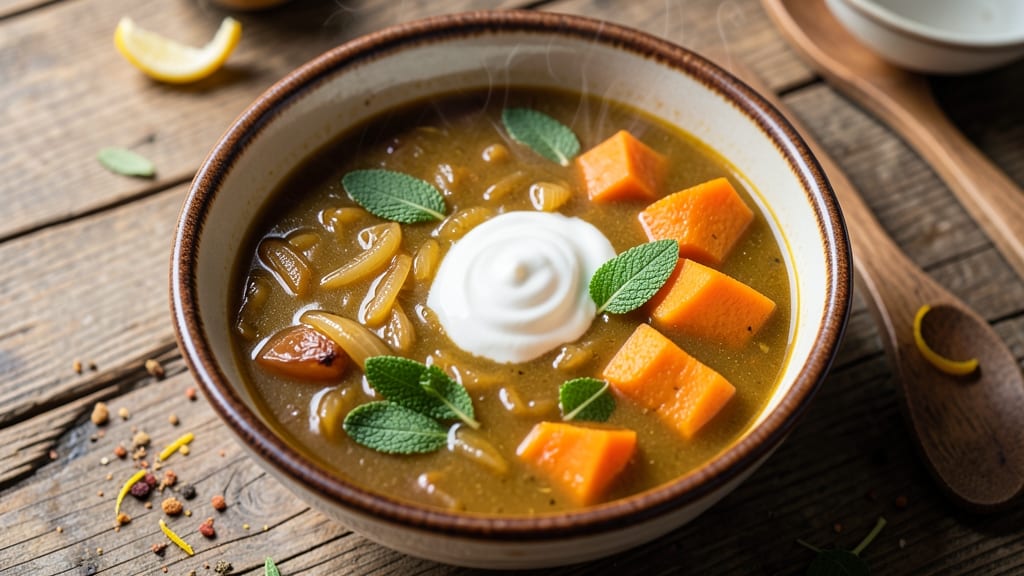
Betty Crocker’s autumn soup recipe delivers the kind of comforting warmth that turns chilly evenings into cozy gatherings. This pumpkin and sage simmer captures the essence of fall with creamy texture and aromatic spices—just like the classic recipes Betty Crocker perfected for home cooks.
The secret lies in balancing sweet pumpkin with earthy sage, creating a velvety broth that’s both hearty and elegant.
What makes this recipe special is its versatility—it works as a standalone meal or pairs beautifully with crusty bread. The slow simmering process develops deep, caramelized flavors, while optional garnishes like toasted pecans or a swirl of cream add texture and richness.
It’s the kind of dish that feels like a hug in a bowl, perfect for family dinners or potlucks.
With simple ingredients and a one-pot method, this soup is foolproof yet impressive. The pumpkin’s natural sweetness blends seamlessly with warm spices like cinnamon and nutmeg, while fresh sage adds a herbal depth that elevates every spoonful.
Whether you’re a seasoned cook or just starting out, this recipe delivers restaurant-quality results in under an hour.
The best part? It reheats beautifully, making it ideal for meal prep or leftovers. Serve it with a sprinkle of black pepper and a drizzle of olive oil for extra flavor, or adjust the spices to suit your taste.
This is autumn cooking at its finest—warm, inviting, and full of seasonal charm.
Ingredients for betty crocker autumn soup
Simple pantry staples and seasonal herbs create Betty Crocker's velvety autumn pumpkin soup.
| Ingredient | Amount | Notes |
|---|---|---|
| Canned Pumpkin Puree 🎃 | 1 ½ cups | Unsweetened, not pumpkin pie filling |
| Fresh Sage Leaves 🌿 | ½ cup | Chopped, stems removed |
| Yellow Onion 🧅 | 1 whole | Medium size, diced |
| Garlic Cloves 🧄 | 3 cloves | Peeled, minced |
| Vegetable Broth 💧 | 4 cups | Low-sodium preferred |
| Heavy Cream 🥛 | ½ cup | Full-fat for creaminess |
| Ground Cinnamon 🌶️ | 1 tsp | Freshly ground preferred |
| Ground Nutmeg 🌶️ | ¼ tsp | Freshly grated for warmth |
| Salt 🧂 | ½ tsp | Kosher or sea salt |
| Black Pepper 🌶️ | ¼ tsp | Freshly ground preferred |
| Olive Oil 🫒 | 2 tbsp | Extra-virgin for richness |
| Butter 🧈 | 2 tbsp | Unsalted, cubed |
| All-Purpose Flour 🌾 | 1 tbsp | For thickening |
| Toasted Pecans 🥜 | ¼ cup | Optional garnish |
The pumpkin puree is the heart of this soup—Libby’s 100% pure pumpkin is my go-to, but any unsweetened canned variety works. Fresh sage transforms this from ordinary to extraordinary; grab a bunch at the grocery store’s produce section—it’s cheaper than dried and far more aromatic. For the broth, low-sodium vegetable broth keeps the flavors balanced without adding extra salt. If you’re using bouillon cubes, reduce the salt in the recipe by half. The butter and olive oil combo creates a rich base—don’t skip the olive oil, even if you’re using butter, for that fruity depth.
No fresh sage? Dried sage at one-third the amount works in a pinch, but it won’t have the same bright flavor. Substituting canned pumpkin pie filling? Drain it well first—it’s sweeter and thinner. For a dairy-free version, swap the heavy cream for full-fat coconut milk, though the texture will be slightly lighter. The flour is just for thickening—if you’re gluten-free, use cornstarch instead. Toasting the pecans in a dry pan for 2-3 minutes enhances their nuttiness, but skip this step if you’re short on time—they’ll still add crunch.
This soup tastes even better the next day as the flavors meld together. Store leftovers in an airtight container in the fridge for up to 5 days, or freeze for 3 months in portion-sized containers. Reheat gently on the stove with a splash of broth or water to restore creaminess. For meal prep, double the batch—the extra effort means fewer pots later. Garnish with a drizzle of olive oil and extra black pepper right before serving to keep it vibrant.
Why You'll Love This Recipe
- Pantry-to-Pot Magic: I swear by this recipe when I forget to grocery shop—just open the can of pumpkin, grab the sage from my windowsill, and boom. The onion and garlic caramelize while I chop, and the broth ties it all together without fuss. No fancy techniques, just pure convenience.
- Sage & Spice Bomb: That first whiff of fresh sage simmering in olive oil? Chef’s kiss. The garlic cloves toast until they’re golden, then blend right into the pumpkin for a depth that’s both earthy and bright. It’s the kind of flavor that makes you pause mid-sip of wine and go, “Wait, how did they do that?”
- Weeknight & Weekend Ally: I make this when my in-laws visit (they love it) and when I’m eating alone with a book (still love it). The broth base stretches easily—add a splash of cream for richness or keep it light. It’s my go-to for potlucks too; people always ask for the recipe.
- Zero-Waste Leftovers: The soup tastes even better the next day, honestly. I’ll reheat portions for lunch or freeze half for when I’m too tired to cook. And because it’s mostly pantry staples, it’s my budget-friendly way to feel like I’m serving something special without breaking the bank.
Step-by-step instructions for Betty Crocker's autumn soup
Here's how to create this comforting pumpkin and sage soup with rich, velvety texture.
Sauté Onions and Garlic Until Fragrant
Heat the 2 tablespoons olive oil and 2 tablespoons butter in a large pot over medium heat. Add the 1 whole yellow onion that's been diced into ¼-inch pieces and cook for 5-6 minutes until softened and translucent. I like to stir occasionally to prevent browning.
Add the 3 cloves minced garlic and cook for another 30 seconds until you can smell that unmistakable garlic aroma. This step builds the flavor foundation - don't skip it. The onions should be golden without burning, and the garlic should just begin to color slightly at the edges.
Toast the Sage Leaves and Add Spices
Add the ½ cup chopped fresh sage leaves to the pot and stir gently for 1 minute until the leaves begin to crisp slightly at the edges. This toasting enhances their natural flavor. Remove the sage leaves with a slotted spoon and set them aside for garnish later.
To the pot, add the 1 teaspoon ground cinnamon, ¼ teaspoon ground nutmeg, ½ teaspoon salt, and ¼ teaspoon black pepper. Stir for 20 seconds to toast the spices lightly - this releases their aromatic oils. You'll notice the kitchen immediately smells like autumn.
Simmer the Pumpkin and Broth
Pour in the 1½ cups canned pumpkin puree and stir to combine with the onion mixture. Add the 4 cups vegetable broth and bring the mixture to a gentle boil over medium-high heat. Once boiling, reduce heat to medium-low and let it simmer uncovered for 10 minutes.
During this time, the soup will develop depth of flavor. Stir occasionally to prevent sticking at the bottom. You'll see the spices distribute evenly, creating a warm, spiced aroma throughout the pot. This simmering step is crucial for building the soup's rich character.
Thicken the Soup with Cream
In a small bowl, whisk together the ½ cup heavy cream and 1 tablespoon all-purpose flour until smooth. This creates a simple slurry that will gently thicken our soup without making it heavy.
Slowly pour this mixture into the simmering soup while stirring constantly. Return the pot to medium heat and cook for another 5-7 minutes until the soup thickens to your desired consistency. You're aiming for a velvety texture that coats the back of a spoon. If it thickens too quickly, add 1-2 tablespoons water to adjust.
Finish and Serve Warm
Taste the soup and adjust seasoning if needed. The spices should be warm and noticeable, with the pumpkin sweetness balanced by the sage's earthiness. Ladle the soup into bowls and garnish each serving with a sprinkle of the reserved toasted sage leaves and a small handful of ¼ cup toasted pecans.
Serve immediately while warm. The soup should be rich and creamy with visible flecks of pecans throughout. Each spoonful should deliver that perfect balance of sweet pumpkin, aromatic spices, and nutty crunch from the pecans. The toasted sage leaves add a fresh herbal note that brightens the dish.
Pro Tips For Making Betty Crocker Autumn Soup
- Sweat the Onion First: I learned this the hard way—raw onion in this soup just sits there like a sad, watery lump. Cook it in the pot for 5-6 minutes until it’s soft and golden, then add the garlic. The flavor will actually meld into the broth instead of floating as bits.
- Toast the Sage Leaves: Fresh sage needs a little love or it’ll taste like nothing. Heat a dry skillet over medium for 30 seconds, toss in the leaves, and stir until they’re just fragrant and slightly crisp at the edges. Tear them afterward—this releases their oils and makes the whole soup smell like autumn.
- Simmer, Don’t Boil: This soup’s magic happens at a gentle simmer, not a rolling boil. If you let it bubble hard, the pumpkin will split and the broth will turn cloudy. Keep it at a low simmer (tiny bubbles, occasional swirls) for 20 minutes, and the flavors will marry properly.
- Salt the Broth Early: I used to add salt at the end, but this soup needs it to build flavor over time. Stir in half the salt with the broth right at the start, then taste again at the end. The pumpkin soaks up seasoning like a sponge, so you’ll need more than you think—especially if you’re using low-sodium broth.
Wine and beer pairings for these flavors
White Wine Pairings
For this creamy pumpkin soup, I reach for a dry Riesling from Germany or Austria—its crisp acidity and subtle honeyed notes complement the pumpkin’s sweetness while cutting through the richness.
A Chardonnay with minimal oak, like one from California’s Sonoma Coast, also works beautifully, especially if it has a touch of lemon zest. Avoid overly oaky whites that might clash with the delicate sage aroma. 🍷
Red Wine Options
If you prefer red, a light-bodied Pinot Noir from Oregon or New Zealand is perfect—its bright red fruit and earthy undertones mirror the soup’s autumnal spices. Look for one with low tannins to avoid overpowering the dish.
A Gamay from Beaujolais adds a juicy, slightly peppery contrast that pairs wonderfully with the toasted pecans.
Beer Pairings
A Belgian witbier like Hoegaarden or St. Bernardus Wit is my go-to beer pairing—its citrusy coriander and creamy wheat notes bridge the gap between the pumpkin’s sweetness and the sage’s herbal bite.
For a darker option, try a amber ale with caramel and toasty malt flavors, like Sierra Nevada Pale Ale. Avoid heavy stouts or IPAs that could dominate the soup’s delicate flavors. 🍺
Non-Alcoholic Options
For a refreshing non-alcoholic match, serve the soup with sparkling apple cider—its effervescence cleanses the palate between spoonfuls. A ginger beer with a touch of honey adds warmth and spice that echoes the cinnamon and nutmeg in the soup.
For something more substantial, try a chilled hibiscus iced tea with a hint of lime.
Seasonal Pairing Tips
Let the wine or beer temperature guide your choice: chill whites and beers to 45-50°F for optimal refreshment. If serving outdoors, opt for bottles with thicker glass to maintain temperature. I always keep a second bottle chilling—this soup pairs so well with drinks that guests will want seconds!
The key is balance: the beverage should complement, not compete with, the soup’s warm, spiced profile. ✨
Nutrition facts
Frequently asked questions
Can I make this soup without fresh sage?
Yes! Use 1 tablespoon dried sage instead, but reduce the cooking time to 30 seconds when toasting—dried herbs are more potent. For extra flavor, add ½ teaspoon dried thyme alongside the sage. The soup will still taste rich and aromatic, though fresh sage provides a brighter herbal note.
How can I make this soup vegan?
Swap the heavy cream for ½ cup full-fat coconut milk and use 1 tablespoon cornstarch instead of flour to thicken. For extra creaminess, add 1 tablespoon nutritional yeast to mimic the umami depth of dairy. The texture will be slightly lighter but still delicious.
Why does my soup taste too spicy?
Start with ½ teaspoon each of cinnamon and nutmeg—you can always add more later. The key is balancing the spices with the pumpkin’s natural sweetness. If it’s too strong, stir in 1 teaspoon maple syrup or honey to mellow the heat. Taste as you go!
Can I use butternut squash instead of pumpkin?
Roast 1 medium butternut squash (about 3 cups cubed) until tender, then blend into a puree. Use the same amount (1½ cups) as the pumpkin. The flavor will be slightly nuttier, but the method remains identical. Adjust salt to taste afterward.
How long can I store leftovers?
Store in an airtight container in the fridge for up to 5 days or freeze for 3 months. To reheat, warm on the stove over low heat with a splash of broth or water. Stir occasionally to prevent scorching—this preserves the creamy texture.