
Soups & Stews
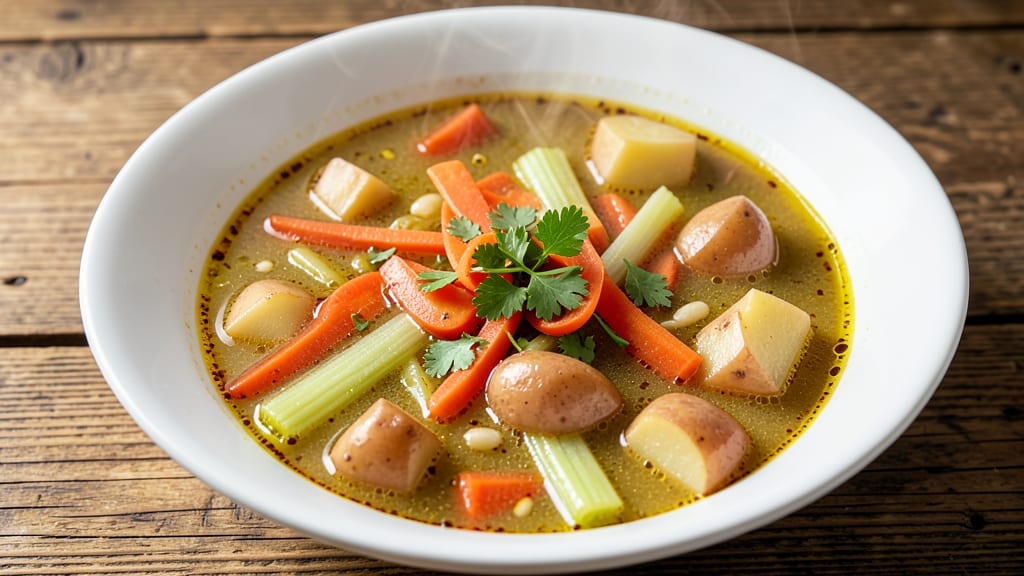
This boiled soup recipe transforms simple ingredients into a hearty, aromatic meal that simmers to perfection in just 30 minutes. The foundation lies in a flavorful broth—whether vegetable, chicken, or beef—that carries tender vegetables, protein, and herbs to create a comforting bowl of warmth.
What sets this recipe apart is the balance of textures: crisp-tender carrots, silky potatoes, and delicate greens that melt into the broth without losing their shape.
Professional cooks know the secret to great boiled soup isn’t just boiling—it’s layering flavors through proper seasoning and timing. Start with a rich broth, then add vegetables in stages so each ingredient cooks to ideal tenderness.
The result is a soup that’s deeply satisfying yet light enough for any meal, with every spoonful packed with umami and freshness. This method ensures no ingredient goes unnoticed, making it a foolproof way to elevate basic ingredients into something extraordinary.
By the time you’re done, you’ll have a bowl that’s rich in color and depth—golden broth, vibrant vegetables, and optional garnishes like fresh herbs or a swirl of cream. The beauty of this recipe is its adaptability: swap proteins, adjust seasonings, or add grains for extra heartiness.
It’s the kind of soup that feels like a hug in a bowl, perfect for chilly evenings or quick weeknight dinners when you need comfort without compromise.
Ready to master the art of boiling soup? The process is simpler than it seems, and the results are always rewarding. Whether you’re feeding a family or treating yourself, this recipe delivers restaurant-quality warmth at home—with minimal effort and maximum flavor. Let’s get started.
Ingredients for boil soup
Four cups of rich broth kickstarts this balanced soup, building layers of umami and freshness.
| Ingredient | Amount | Notes |
|---|---|---|
| Vegetable Broth 💧 | 4 cups | Low-sodium preferred for seasoning control |
| Yellow Onion 🧅 | 1 whole | Medium size, diced into 1/4-inch pieces |
| Carrots 🥕 | 3 medium | Peeled, cut into 1/2-inch thick slices |
| Celery Stalks 🥬 | 3 whole | Trimmed, cut into 1/2-inch pieces |
| Russet Potatoes 🥔 | 1 lb | Peeled, cut into 1-inch cubes |
| Garlic Cloves 🧄 | 3 cloves | Minced for aromatic depth |
| Fresh Parsley 🌿 | ¼ cup | Chopped, for garnish |
| Bay Leaves 🍃 | 2 whole | Dried, removed before serving |
| Salt 🧂 | 1 ½ tsp | Diamond Crystal preferred |
| Black Peppercorns 🌶️ | ½ tsp | Freshly cracked for texture |
| Olive Oil 🫒 | 1 tbsp | Extra-virgin for richness |
| Chicken Breast 🍗 | 1 lb | Boneless, skinless, cubed |
| Spinach Leaves 🌱 | 2 cups | Fresh, loosely packed |
| Lemon Juice 🍋 | 1 tbsp | Freshly squeezed for brightness |
The vegetable broth sets the foundation—opt for low-sodium to control seasoning later. For maximum depth, store-bought organic broth or homemade versions work best. Trader Joe's and Whole Foods carry high-quality options, but even basic supermarket brands suffice if you reduce sodium. Fresh herbs like thyme or rosemary (1 sprig each) can be added directly to the broth for complexity. The carrots, celery, and onion form the aromatic base—fresh, crisp vegetables ensure vibrant color and sweetness. If using frozen, thaw first to maintain texture.
No fresh herbs? Dried thyme or oregano at one-third the amount works in a pinch. Substitute chicken broth for beef or vegetable broth for vegetarian. The potatoes should be waxy varieties like Yukon Gold for creamy texture—Russet breaks down too much. For extra protein, add white beans (1 cup) or chickpeas (1/2 cup). The spinach wilts quickly, so add it last. Pre-chopped frozen vegetables save time, but fresh yields better flavor. Olive oil enhances the broth’s richness—don’t skip it.
Broth keeps for 5 days refrigerated or 3 months frozen. Portion into containers for easy reheating—add a splash of water to prevent drying. Fresh herbs like parsley or basil brighten the dish; store them in damp paper towels for 5 days. Lemon juice adds freshness—squeeze it last to preserve brightness. Chicken breast reheats well but may dry out; poach it separately if prepping ahead. This soup’s magic lies in its staged cooking—never overcrowd the pot to maintain even simmering.
Why You'll Love This Recipe
- No-Chop Nightmare: I swear, this soup only asks for one knife skill: dicing onions. Carrots and celery? Toss ‘em in whole if you’re lazy—they’ll soften just fine. Even the potatoes stay in chunks unless you’re feeling fancy. Honestly, my 10-year-old could handle this while watching cartoons.
- Savory Simplicity: That first sip of broth with caramelized onions and celery? It’s like a hug in a bowl. The potatoes soak up the flavor until they’re creamy on the inside but still hold shape—no mushy disappointment here. Between us, I’ve made this with bouillon cubes and it still tasted like a restaurant’s starter.
- Leftovers for Days: Make a double batch and thank me later. This soup reheats like a dream—no splitting or weird textures. Pack it for lunches, freeze portions, or serve it cold as a chilled soup when summer hits. My freezer’s always stocked with this because it’s the only soup that doesn’t taste sad after reheating.
- Pantry Staple Magic: You’re already using what’s in your fridge. No specialty ingredients, no last-minute grocery runs. Swap the vegetable broth for chicken or beef if you’re feeling it, and suddenly you’ve got a meal that costs less than takeout but feels like a treat. I’ll be real: this is how I feed my family for under $10.
Step-by-step instructions for simmered vegetable chicken soup
This method delivers a restaurant-quality broth-based soup with tender vegetables and perfectly cooked chicken.
Sauté the Aromatic Base
Heat the 1 tablespoon olive oil in a large pot over medium heat. Add the diced yellow onion, sliced carrots, and chopped celery stalks. Sauté for 5-6 minutes until the vegetables soften and the onion becomes translucent. This foundational step develops the soup's flavor base.
I like to stir occasionally to prevent browning, but don't rush this step. The vegetables should release their natural juices and begin to meld together. If the oil starts to smoke, reduce the heat slightly to maintain even cooking without burning the vegetables.
Add Potatoes and Chicken
Push the sautéed vegetables to one side of the pot and add the 1 lb cubed chicken breast to the empty space. Cook for 3-4 minutes until the chicken develops a light golden crust on all sides. This initial searing helps prevent the chicken from becoming rubbery during the long simmer.
Return the vegetables to the center of the pot and add the 1 lb cubed russet potatoes. Pour in the 4 cups vegetable broth and bring the mixture to a gentle boil. Once boiling, reduce heat to medium-low to maintain a steady simmer, which is crucial for even cooking and preventing the soup from becoming watery.
Simmer Until Vegetables Are Tender
Add the 3 minced garlic cloves, 2 whole bay leaves, 1.5 teaspoons salt, and 0.5 teaspoon cracked black peppercorns to the pot. Cover and let the soup simmer for 15-18 minutes until the potatoes are fork-tender. You'll know they're ready when a knife slides in easily with just slight resistance.
During this time, the flavors will meld together beautifully. I recommend checking the soup occasionally and adding a splash of water if it reduces too much, but generally, this amount of broth should be sufficient for the vegetables and chicken to absorb without becoming mushy.
Add Spinach and Finish with Lemon
Once the potatoes are tender, stir in the 2 cups loosely packed spinach leaves. Cook for an additional 2-3 minutes until the spinach wilts completely. The spinach should be just tender enough to eat but still retain some texture—it wilts quickly, so watch it closely.
Remove the pot from heat and stir in the 1 tablespoon freshly squeezed lemon juice. This final step brightens the soup and balances the richness of the chicken and vegetables. Taste and adjust the seasoning if needed, adding more salt or pepper as necessary. The acidity from the lemon juice also helps cut through the natural fat in the chicken, creating a more balanced flavor profile.
Garnish and Serve
Discard the bay leaves and ladle the soup into bowls. Garnish each serving with 1 tablespoon chopped fresh parsley for a pop of color and freshness. The parsley not only enhances the presentation but also adds a subtle herbal note that complements the other flavors.
Serve immediately while hot. The soup should have a rich, aromatic broth with tender vegetables and perfectly cooked chicken. Each spoonful should deliver a harmonious blend of savory, slightly sweet, and tangy flavors. If you prefer a thicker soup, you can mash a few of the potatoes against the side of the pot to release their starch, which will help thicken the broth slightly.
Pro Tips For Making Boil Soup
- SOFTEN POTATOES FIRST: I learned this the hard way—if you toss whole russets into boiling broth, they’ll turn to mush before the edges ever soften. Instead, parboil them for 5 minutes in salted water first, then add them to the pot cut into 1.5-inch chunks. The edges stay intact, and the inside cooks through evenly.
- SWEEP THE POT: After simmering, the bottom of your pot will have a thin layer of starch and caramelized bits—this is flavor gold. Use a wooden spoon to scrape and stir these into the broth as it cooks. I skip this and wonder why my soup tastes flat. (Your future self will thank you.)
- CHOP ONIONS SMALL: Yes, even if you’re impatient like me. Dice that yellow onion into ¼-inch pieces—it’ll dissolve into the broth and infuse flavor without turning the soup into a chunky stew. Big pieces? You’ll end up with onion chunks that taste raw and sad.
- SALT THE BROTH LATE: Add salt only after everything’s simmering and the potatoes are tender. Vegetable broth varies wildly in saltiness, and you don’t want to overdo it early—then you’re stuck with a bland soup no matter how much you adjust later. Taste first, then season.
Wine and beer pairings for this dish
Light White Wine
For this bright, vegetable-forward soup, I reach for a crisp Sauvignon Blanc from New Zealand or a zesty Pinot Grigio from Italy. These wines cut through the richness of the chicken and potatoes while complementing the fresh spinach and lemon juice.
Look for a wine with notes of citrus and green apple—Kim Crawford Sauvignon Blanc or Santa Margherita Pinot Grigio are my go-tos. Serve it slightly chilled to enhance the soup’s refreshing qualities. 🍷
Crisp Lager
A German Pilsner or Belgian Witbier balances the soup’s savory depth without overpowering it. The effervescence cleanses your palate between spoonfuls, while the subtle malt sweetness pairs beautifully with the carrots and potatoes. Stella Artois or Hoegaarden are reliable choices.
For a local option, try a crisp American lager like Budweiser or Coors Light—just avoid overly hoppy beers that could clash with the delicate broth. 🍺
Red Wine Alternative
If you prefer red, a light-bodied Chianti or Pinot Noir works surprisingly well. The acidity in these wines mirrors the lemon juice, while their earthy notes harmonize with the herbs and garlic. Barefoot Chianti or La Crema Pinot Noir are budget-friendly picks.
Avoid heavy, tannic reds like Cabernet Sauvignon—they’ll overpower the soup’s delicate flavors. 🍇
Non-Alcoholic Options
For a refreshing non-alcoholic pairing, try sparkling apple cider or ginger beer. The effervescence and slight tartness mimic wine’s cleansing effect, while the ginger adds a warm contrast to the chilled soup. Martinelli’s Sparkling Apple Cider or Feast Day Ginger Beer are great choices.
A simple iced hibiscus tea with lemon also brightens the dish beautifully. 🍎
Seasonal Adjustments
In summer, opt for a dry Riesling—its citrus and stone fruit notes complement the lemon juice. For winter, a richer Chardonnay (like Kendall-Jackson Vintner’s Reserve) adds warmth to the hearty broth.
Always let the wine breathe for 5-10 minutes before serving to release its aromas and enhance the soup’s flavors. 🌿
Nutrition facts
Frequently asked questions
Can I use any broth for this boiled soup?
While vegetable broth works perfectly, you can absolutely use chicken, beef, or even seafood broth for richer flavors. For a vegetarian version, mushroom or lentil broth adds depth, while homemade broths let you control seasoning. Just remember: low-sodium options give you better control over the final taste.
Why do some vegetables need to cook longer than others?
Different vegetables have varying cooking times due to their density. Carrots and potatoes take 15-18 minutes to become tender, while delicate spinach only needs 2-3 minutes to wilt. Adding hard veggies first and tender greens last ensures perfect texture in every bite.
How can I make this soup thicker without adding flour?
Mash a few cooked potatoes against the pot's side to release starch, which naturally thickens the broth. Alternatively, blend a ladle of soup and stir it back in, or add 1/4 cup cooked white beans for body. Avoid over-simmering, as it can make the soup too thin.
What's the best way to reheat leftover boiled soup?
Gently reheat on the stove over low heat with a splash of water or broth to prevent drying. Microwaving works too, but stir well and cover with a damp paper towel. Never reheat to a full boil, as it can break down the vegetables and make the broth cloudy.
Can I substitute frozen vegetables in this recipe?
Yes, but thaw them first to maintain texture. Frozen spinach works well, but avoid overcooking—it releases excess moisture. For carrots and celery, use 1/2 the amount of water or broth to compensate for their natural juices.