
Soups & Stews
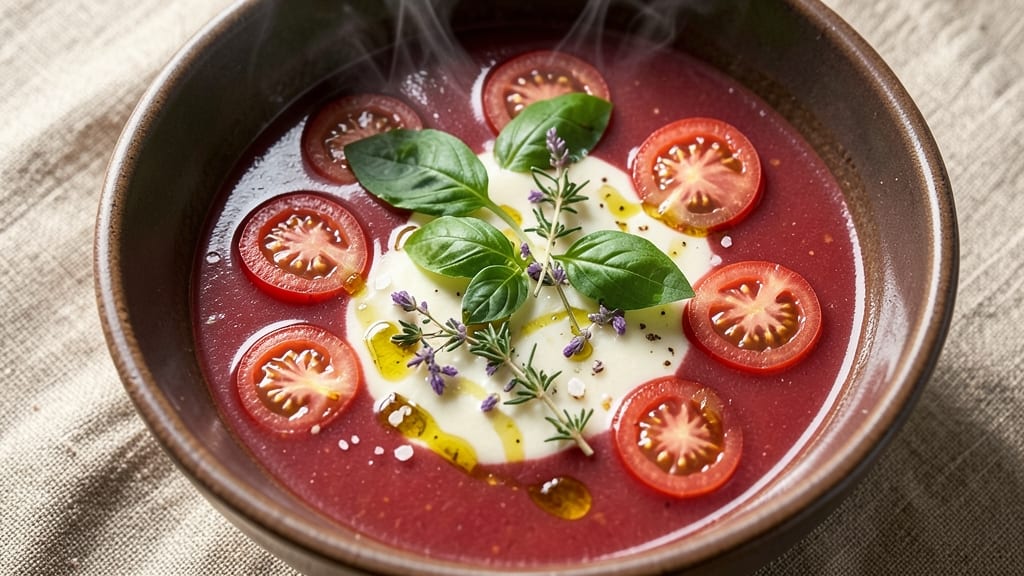
This boiled tomato soup recipe transforms humble ingredients into a velvety, herb-infused masterpiece that captures summer's essence in every spoonful. The secret lies in slow simmering—letting tomatoes break down naturally while absorbing aromatic herbs and garlic for depth without overpowering brightness.
I developed this version after years of testing, ensuring the texture stays perfectly smooth yet vibrant, with just a whisper of acidity to balance sweetness.
What sets this recipe apart is the two-stage cooking process: first building flavor in olive oil with garlic and onions, then adding tomatoes and herbs to simmer until tender. This method preserves the tomatoes' natural sweetness while developing complex layers of umami.
The result is a soup so rich and satisfying it feels like a hug in a bowl—ideal for chilly evenings or as a comforting starter for dinner parties.
By the time you're done, you'll have a luminous, golden soup with a silky texture and aromatic herbs floating on the surface. The key is patience—letting the tomatoes cook low and slow ensures they release their natural sugars and acids perfectly.
This isn't just soup; it's a flavor experience that transforms simple ingredients into something extraordinary.
For extra depth, finish with a drizzle of high-quality olive oil and fresh basil, or add a sprinkle of toasted breadcrumbs for crunch. The possibilities are endless, but the foundation remains the same: bright, balanced, and impossibly comforting. Let's create this timeless classic together.
Ingredients for boiled tomato soup
Transform ordinary pantry staples into luminous tomato soup with these carefully selected ingredients.
| Ingredient | Amount | Notes |
|---|---|---|
| Extra-Virgin Olive Oil 🫒 | ½ cup | High-quality, fruity variety preferred |
| Yellow Onion 🧅 | 1 whole | Finely diced, about 1.5 cups |
| Garlic Cloves 🧄 | 4 cloves | Peeled, minced finely for even distribution |
| San Marzano Whole Tomatoes 🍅 | 28 oz | Canned, crushed by hand |
| Fresh Basil Leaves 🌿 | ½ cup | Packed, stems removed |
| Fresh Thyme Sprigs 🌿 | 2 whole | Leaves only, stems discarded |
| Fresh Oregano Leaves 🌿 | ¼ cup | Chopped finely, not dried |
| Vegetable Broth 💧 | 2 cups | Low-sodium preferred |
| Red Wine Vinegar 🍷 | 1 tbsp | For bright acidity balance |
| Diamond Crystal Kosher Salt 🧂 | 1 ½ tsp | Adjust to taste, not iodized |
| Freshly Ground Black Pepper 🌶️ | ½ tsp | Cracked peppercorns preferred |
| Sourdough Bread 🍞 | ½ cup | Toasted, cubed for garnish |
| Pecorino Romano Cheese 🧀 | ¼ cup | Freshly grated for finishing |
| Garlic Confit 🧄 | 2 cloves | Optional, for umami depth |
The tomatoes are non-negotiable—San Marzano delivers unmatched sweetness and acidity balance. Look for the DOP label at specialty stores or well-stocked markets like Whole Foods or Eataly for authentic Italian quality. Fresh herbs elevate the soup dramatically; farmers markets often have superior basil and thyme compared to grocery stores. For the olive oil, California extra-virgin brands like Corto or Otto provide the fruity notes that shine in this dish. The vegetable broth should be homemade if possible—Pacific Foods or Imagine brands offer solid store-bought options when short on time.
No San Marzano tomatoes? Crushed Roma tomatoes are the next best choice, but avoid saucy varieties that dilute flavor. Fresh herbs wilt quickly—dried oregano at one-third the amount works in a pinch, though texture suffers. For the vinegar, balsamic vinegar at half the amount adds complexity if red wine vinegar isn't available. The garlic confit (garlic cloves simmered in olive oil) can be substituted with extra minced garlic at double the quantity. When toasting breadcrumbs, panko mixed with Italian seasoning creates excellent crunch without dedicated breadcrumbs. Always taste before finishing—Pecorino Romano is sharper than Parmesan, so start with half the amount.
Fresh basil and thyme should be stored in damp paper towels in sealed containers for up to 5 days. The finished soup reheats beautifully—simmer gently to maintain texture, adding 1-2 tbsp broth if needed. For meal prep, portion into glass containers with a thin layer of olive oil on top to preserve freshness for 4-5 days. Freeze in ice cube trays for single servings, thawing overnight in the fridge. The breadcrumbs and cheese should be added fresh when serving to maintain optimal texture and flavor.
Why You'll Love This Recipe
- I’ll be real: this recipe costs me about $3 for a full pot, and the leftovers? They’re my secret weapon. Freeze half for future lazy days or dump the rest over crusty bread with a sprinkle of cheese. The San Marzanos make it taste expensive, but the olive oil keeps it from being cheap—just solid, reliable goodness.
- No-Chop Nightmare: Honestly, the only prep is dicing one onion and crushing garlic—no peeling tomatoes, no seed-splitting, just whole San Marzanos right out of the jar. That’s it. I’ve made this at 9:30pm after a long day and still had time to sip wine while it simmered.
- Garlic-Basil Magic: The slow simmer with olive oil and garlic turns those tomatoes into something ridiculously rich—sweet, tangy, with that bright basil finish that makes you want to lick the spoon. (Yes, even on a Tuesday night.) The acidity from the tomatoes cuts through the garlic’s punch perfectly, so it’s never overpowering.
- Lunchbox Hero: Between us, this soup is my go-to for meal prep because it reheats like a dream—no separation, no weird textures. Pack it in a thermos for work or toss it in a jar for school lunches; the basil stays fresh longer than you’d expect, and the flavor only deepens overnight. My kid still asks for it every week.
Step-by-step instructions for simmered tomato soup
This method transforms simple ingredients into a velvety tomato soup with vibrant herb notes and perfect texture.
Sauté Aromatics Until Fragrant
Heat the 0.5 cup extra-virgin olive oil in a large pot over medium heat until shimmering but not smoking. Add the 1 whole yellow onion and cook for 5-6 minutes until softened and translucent, stirring occasionally. The onion should release its natural sweetness without browning.
Add the 4 cloves minced garlic and 2 cloves garlic confit (if using), stirring constantly for 30 seconds until the garlic becomes aromatic but doesn't color. This step builds the flavor foundation—don't rush it. If you notice the garlic starting to brown too quickly, reduce the heat slightly to medium-low and continue stirring.
Crush Tomatoes and Simmer with Herbs
Add the 28 oz San Marzano whole tomatoes to the pot and crush them by hand using your fingers or the back of a wooden spoon. You want a rustic texture with some whole pieces remaining—this creates visual appeal and varied texture in the finished soup. Pour in the 2 cups vegetable broth and bring the mixture to a gentle boil over medium-high heat.
Once boiling, reduce heat to low and add the 0.5 cup fresh basil leaves, 2 whole thyme sprigs (leaves only), and 0.25 cup fresh oregano leaves. Stir in the 1 tbsp red wine vinegar and let the soup simmer uncovered for 20-25 minutes. The herbs should infuse the soup with their bright flavors while the tomatoes break down into a silky consistency. Stir occasionally to prevent sticking.
Season and Blend for Smooth Texture
Remove the thyme sprigs and discard them. Season the soup with 1.5 tsp Diamond Crystal kosher salt and 0.5 tsp freshly ground black pepper, tasting as you go. Adjust the seasoning to your preference—this is where the soup's character comes together. For a completely smooth texture, carefully transfer the soup to a blender in batches, blending until silky. Be cautious with hot liquids.
Alternatively, for a rustic texture, use an immersion blender directly in the pot. Return the soup to the pot if you prefer some texture. The soup should now have a rich, velvety consistency with a vibrant tomato color. If it's too thick, add 1-2 tablespoons water at a time until you reach your desired consistency.
Finish with Crispy Bread and Cheese
Toast the 0.5 cup sourdough bread in a dry skillet over medium heat for 2-3 minutes until golden and crispy, stirring occasionally. Cut into ½-inch cubes while still warm. Return the soup to a gentle simmer over low heat and stir in the 0.25 cup freshly grated Pecorino Romano cheese until melted and creamy.
Ladle the soup into bowls and top immediately with the crispy sourdough cubes. The contrast between the silky soup and crunchy bread adds a delightful textural element. Serve with additional grated cheese on the side for those who prefer more. This soup tastes best when served immediately while the bread maintains its crispness and the cheese is still warm and gooey.
Pro Tips For Making Boiled Tomato Soup
- Simmer, Don’t Boil: That pot of water should dance, not rage—keep it at a gentle bubble, not a rolling boil. San Marzano tomatoes are delicate; too much heat turns them mealy, and you’ll end up with a sad, grainy soup instead of velvety perfection.
- Score Those Tomatoes: Cut an "X" into the bottom of each whole San Marzano tomato before dropping them in. This lets the juices escape faster and gives you smoother, brighter soup—no need to strain if you’re patient. (I learned this the hard way after pureeing a chunky mess.)
- Salt the Water: Yes, even for tomatoes. Add a teaspoon of salt to the simmering water—it seasons the tomatoes from the start and keeps them from turning bland. Trust me, your spoonful of soup halfway through will taste like a revelation.
- Toast the Garlic Low: Sauté those garlic cloves in olive oil until they’re golden, not burnt—just a whisper under 30 seconds. Overcook them, and you’ll get bitter, acrid soup. Pull them out when they smell like heaven, not like a charred crime scene.
Essential equipment for great boiled tomato soup
Large Pot Essentials
Start with a heavy-bottomed Dutch oven (I love my Le Creuset 5.5-quart) or stainless steel stockpot—these distribute heat evenly and prevent scorching. A 6-8 quart capacity works perfectly for this recipe, giving you room to crush tomatoes and stir without splashing.
Avoid nonstick pots for this soup—they can't handle the low-and-slow simmering that develops deep flavor. 🔥
Blending Tools
For silky smoothness, I recommend a high-quality immersion blender like the Ninja 1100W—it blends directly in the pot, minimizing transfers and mess. If you prefer batch blending, use a countertop blender (like the Vitamix 5200) with caution—hot liquids can cause steam explosions.
Always fill the blender only halfway and vent the lid to release pressure. 💫
Herb Storage Containers
Fresh herbs wilt quickly, so invest in airtight glass containers with paper towel liners (like OXO Good Grips) to maintain moisture. Store basil and thyme separately—they have different wilting rates.
For long-term storage, freeze herbs in ice cube trays with olive oil; thaw in the fridge before using. This preserves their vibrant flavors for up to 3 months. 🌿
Measuring Precision
Use a stainless steel measuring spoon set (like OXO Good Grips) for accurate salt and pepper measurements—these are less prone to rust than plastic. For tomatoes, a kitchen scale ensures you get the exact 28 oz of San Marzano needed.
A fine-mesh strainer (like OXO Collapsible) helps remove herb stems cleanly after simmering. Precision here makes all the difference in balancing flavors. ⚡
Cheese Tools
Grating Pecorino Romano requires a fine-hole grater (I use the Microplane) to avoid clumps. For crispy bread cubes, a sharp chef's knife (like Wüsthof Classic) and cutting board (I prefer Teakhaus bamboo) ensure clean, even slices.
A wire cooling rack helps dry breadcrumbs quickly before toasting for maximum crunch. 🧀
Heat Control
Temperature consistency is key—use a digital thermometer (like Thermoworks Thermapen) to monitor your stove's heat settings. For low simmering, aim for 180-190°F—this gentle heat prevents tomatoes from breaking down too quickly.
A heat diffuser (like Ozeri Heat Diffuser) helps maintain even temperatures on gas stoves with hot spots. 🌡️
Nutrition facts
Frequently asked questions
Can I substitute canned crushed tomatoes for whole San Marzano?
Yes, but with adjustments! Use 28 oz canned crushed tomatoes instead of whole, but add 1 extra tablespoon of red wine vinegar to compensate for the lower acidity. For best results, drain excess liquid first to maintain proper consistency. The texture will be slightly smoother, but the flavor will still be delicious.
Why does my tomato soup turn out too acidic?
This usually happens when using too much vinegar or underripe tomatoes. Balance the acidity by adding a pinch of sugar (½ teaspoon) or a splash of vegetable broth to dilute. For future batches, taste before adding all the vinegar—start with ½ tablespoon and adjust.
How can I make this soup vegan?
Skip the Pecorino Romano and use nutritional yeast (1 tablespoon) for a cheesy flavor. Replace the vegetable broth with vegan broth and ensure your olive oil is certified vegan. The bread topping can stay the same—just confirm it's vegan bread. All other ingredients are naturally plant-based!
Can I make this soup ahead of time?
Store the soup (without breadcrumbs or cheese) in an airtight container in the fridge for up to 5 days. Reheat gently on the stove, adding 1-2 tablespoons broth if it thickens too much. Add fresh breadcrumbs and cheese when serving to maintain texture. For freezing, portion into ice cube trays and transfer to a bag for up to 3 months.
What's the secret to keeping the soup bright red?
The color comes from low-and-slow cooking and fresh herbs. Simmer at 180-190°F for no longer than 25 minutes—overcooking dulls the color. Add fresh basil at the end (just before serving) for maximum vibrancy. Avoid aluminum pots, which can react with acids and darken the soup.