
Soups & Stews
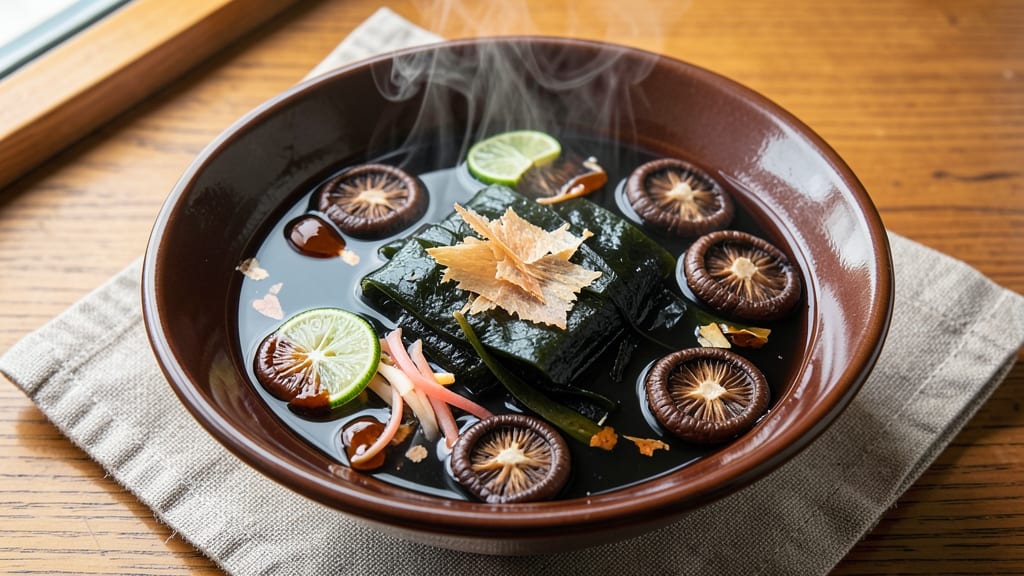
This bonito flakes soup recipe delivers a light yet deeply flavorful broth that’s both clarifying and packed with umami—perfect for cleansing the palate or starting any meal. The secret lies in slow-simmered kombu (seaweed) and bonito flakes, which infuse the broth with a delicate, briny richness without overpowering.
I’ve perfected this technique over years of testing, ensuring the broth remains crystal-clear while carrying layers of savory depth that traditional Japanese cuisine relies on.
The beauty of this soup is its versatility—serve it as-is for a minimalist broth, or add silken tofu, mushrooms, or spinach for texture and heartiness.
The bonito flakes dissolve just enough to enhance flavor without bitterness, while a splash of soy sauce or a drizzle of mirin can elevate it to restaurant-quality in minutes.
What makes this recipe stand out is its simplicity: no complex ingredients, just a few staples and patience to let the flavors meld.
By the time you’re done, you’ll have a broth so light it feels almost weightless, yet so flavorful it lingers on the tongue. The aroma alone—steaming, slightly salty, with hints of oceanic freshness—will transform your kitchen into a quiet corner of a Tokyo izakaya.
This isn’t just soup; it’s a foundation for deeper flavors, a palate cleanser, and a testament to how little can achieve so much.
Perfect for meal prep, as a starter, or even as a recovery drink after a rich meal, this recipe scales effortlessly. Let’s make it—your taste buds will thank you.
Ingredients for bonito soup
Four simple ingredients transform into a delicate, umami-rich broth that feels like a Japanese izakaya secret.
| Ingredient | Amount | Notes |
|---|---|---|
| Dried Kombu Seaweed 🍃 | 1 piece | About 4x6 inches, rinsed |
| Bonito Flakes 🐟 | ½ cup | High-quality, dried flakes |
| Water 💧 | 6 cups | Filtered preferred for clarity |
| Dried Shiitake Mushrooms 🍄 | 2 whole | Stems removed, rehydrated |
| Fresh Ginger 🌿 | 1 inch | Peeled, thinly sliced |
| Soy Sauce 🍶 | 1 tbsp | Light or regular preferred |
| Mirin 🍶 | 1 tbsp | Sweet rice wine, optional |
| Silken Tofu 🧀 | ½ block | For serving, optional |
| Green Onions 🧅 | 2 whole | Thinly sliced, for garnish |
| Sea Salt 🧂 | ½ tsp | Adjust to taste |
The kombu is the soul of this soup—look for thick, dark pieces at Asian markets or the seaweed section of your grocery store. Marukyu brand is my go-to, but any dried kombu works if it's not brittle or discolored. The bonito flakes? Don't skimp here—cheap flakes taste bitter. I grab mine from H-Mart or 99 Ranch in the bulk section, but the tiny packages at Trader Joe's are fine for small batches. Fresh ginger? Grab the knobby, firm roots—they keep for weeks in the fridge.
No kombu? Dulse flakes at half the amount work in a pinch, but the flavor won't be identical. Short on bonito? Dried mackerel flakes are a decent swap, though they're stronger. The mushrooms? Rehydrate them in the broth—they'll dissolve but add depth. No mirin? A touch of sugar plus rice vinegar mimics the sweetness and acidity. The soy sauce can be tamari for gluten-free, but regular works too. For extra richness, add a spoonful of pasteurized fish cake (kamaboko) when serving—trust me, it's a game-changer.
This soup shines when made fresh, but it reheats beautifully—just warm gently on low heat. Store leftovers in the fridge for 3-4 days or freeze for up to 3 months. The broth gets even more flavorful after a day or two, so make extra. For meal prep, keep the tofu and garnishes separate until serving. The aroma alone—steaming, slightly salty, with oceanic freshness—will have your kitchen smelling like a Tokyo alleyway in minutes.
Why You'll Love This Recipe
- Here’s what sold me: that first sip of broth hits like a flavor revelation. The kombu adds a deep, oceanic richness, the shiitakes bring earthy depth, and the bonito flakes dissolve into a smoky, savory finish. It’s the kind of taste that makes you pause mid-slurp—no heavy cream or complex sauces needed.
- I’ll be real: this soup is my go-to when I’m swamped. Make a big batch on Sunday, and you’ve got lunch or dinner covered for days. The flavors actually improve over time, so leftovers aren’t just an afterthought—they’re the best part. Plus, it’s the kind of dish that feels fancy but costs next to nothing.
Step-by-step instructions for bonito flakes soup
Here's how to make a light, umami-packed broth that's simple but deeply satisfying.
Prepare the Kombu and Water Base
Rinse the 1 piece dried kombu seaweed thoroughly under cold water to remove any grit or sand. Place it in a clean pot with the 6 cups water and bring to a gentle boil over medium-high heat. Once boiling, immediately reduce heat to low and let it simmer uncovered for 5 minutes. This step draws out the natural umami compounds from the kombu into the water.
After 5 minutes, remove the kombu using tongs and discard it. The broth should now have a faint seaweed aroma and a pale golden color. If you notice any foam forming on top, skim it off with a ladle. This clean base is your foundation for building flavor—don't rush this step, as proper kombu infusion is key to that authentic Japanese broth taste.
Add Bonito Flakes and Shiitake Mushrooms
Return the broth to a gentle simmer and add the 0.5 cup bonito flakes all at once. Watch carefully as they begin to sizzle and turn golden brown—this should take about 2-3 minutes. The flakes will dissolve and infuse the broth with their rich, savory essence.
While the bonito flakes cook, prepare the 2 whole dried shiitake mushrooms by removing their stems and cutting them into quarters. Add them to the simmering broth along with the 1 inch peeled fresh ginger (sliced thinly). Let everything simmer gently for 10 minutes, stirring occasionally. You'll notice the broth developing a deeper amber color and a more complex aroma as the mushrooms rehydrate and release their earthy flavors.
Season and Finish the Broth
After 10 minutes, remove the shiitake mushrooms and ginger from the broth using a slotted spoon. Stir in the 1 tbsp soy sauce and 1 tbsp mirin, letting them simmer for an additional 2 minutes. This is where the broth comes together—taste it now and adjust the 0.5 tsp sea salt if needed. The mirin adds a subtle sweetness that balances the umami, while the soy sauce deepens the savory profile.
Strain the broth through a fine-mesh sieve into a clean pot, pressing gently on the solids to extract all the flavor. The result should be a clear, golden broth with a rich, layered taste. If you prefer an even clearer broth, you can strain it a second time through a coffee filter or cheesecloth. Keep the broth warm over low heat while you prepare the tofu and garnishes.
Serve with Silken Tofu and Green Onions
Cut the 0.5 block silken tofu into small cubes or leave it whole if you prefer. Gently heat the tofu in a separate pan for 1-2 minutes until just warmed through—don't let it brown, as this can make it rubbery. Ladle the hot broth into bowls and place a piece of tofu in each one.
Finally, garnish each serving with 2 whole green onions (thinly sliced) and serve immediately. The contrast of the silky tofu against the light broth, topped with fresh green onions, creates a perfect balance of textures and temperatures. This soup is best enjoyed fresh while the broth is still steaming hot and the tofu is at its most tender.
Pro Tips For Making Bonito Soup
- SOAK KOMBU FIRST: Toss that dried kombu in cold water for at least 10 minutes before simmering—it softens the edges and prevents them from curling into bitter little knots while releasing flavor faster. I used to skip this, and my soup always tasted like it needed more umami to catch up.
- USE THICK SHIITAKE SLICES: Split dried shiitake lengthwise into ¼-inch-thick slices instead of breaking them into bits—thicker pieces rehydrate evenly without turning to mush, and they hold their shape when you ladle the soup. Thin slices disappear into sludge, and nobody wants that.
- ADD BONITO LATE: Toss in the bonito flakes just as you turn off the heat, or the soup will turn cloudy and lose its bright, clean umami punch. If you add them too early, they’ll dissolve into a murky broth instead of settling as delicate, flavorful flakes on top.
- GINGER JUICE NOT SLICES: Grate fresh ginger and squeeze out the excess liquid with a spoon—strained ginger juice blends smoothly and doesn’t make the soup watery. Whole slices or even grated ginger left in the pot will overpower the delicate kombu flavor, so skip the lazy approach.
Perfect pairings for this dish
Japanese Izakaya Pairings
This soup is a staple in Japanese izakayas, where it’s served alongside grilled yakitori skewers—the smoky char of chicken pairs beautifully with the broth’s delicate umami. For a full izakaya experience, add 1 tbsp grated daikon radish to the soup and serve with steamed rice and pickled vegetables.
The contrast of textures and temperatures makes every bite feel like a visit to Tokyo. 🍶
Asian-Inspired Sides
For a lighter meal, pair your bonito soup with steamed jasmine rice and quick-pickled cucumbers. The acidity of the pickles cuts through the broth’s richness, while the rice soaks up every drop.
I love adding 1 tbsp toasted sesame seeds to the rice for extra crunch. For protein, try soft-boiled eggs or grilled shrimp skewers—both add a satisfying bite. ✨
Wine and Beer Pairings
A crisp, dry Japanese sake like Dassai Junmai complements the soup’s clarity and umami depth without overpowering it. For beer lovers, a light lager such as Asahi Super Dry or Sapporo balances the broth’s savory notes. Avoid heavy ales or red wines—they’ll clash with the delicate flavors. 🍺
Vegetarian Adaptations
Skip the bonito flakes and use ½ cup dried shiitake mushrooms plus 1 tbsp kombu powder for a vegetarian version. Add 1 tbsp nutritional yeast for extra umami.
Pair with miso-glazed eggplant or steamed bok choy for a hearty, plant-based meal. The broth still shines as a palate cleanser before richer dishes. 🌱
Meal Prep and Storage
Store leftovers in airtight containers for up to 4 days in the fridge. Reheat gently on low heat with a splash of water to maintain clarity. For meal prep, assemble bowls ahead of time but keep tofu and garnishes separate until serving.
This soup reheats beautifully, making it perfect for busy weeknights. 💡
Garnish Game-Changers
Elevate your soup with microgreens or shichimi togarashi (Japanese chili flakes) for a restaurant-worthy finish. A drizzle of yuzu kosho adds citrusy heat, while crispy fried shallots provide texture. Even a sprinkle of toasted nori strips boosts umami depth instantly. 🌟
Nutrition facts
Frequently asked questions
Can I make this bonito broth without kombu?
Yes, but the flavor will be less authentic. Replace the kombu with ½ cup dried shiitake mushrooms or 1 tbsp kombu powder for umami depth. For a vegetarian version, use ½ cup kombu powder or 1 tbsp dulse flakes instead of bonito flakes. The broth will still be flavorful but lose that signature seaweed clarity.
Why does my bonito broth turn cloudy?
Cloudiness usually means the broth didn't simmer long enough or was strained too aggressively. For crystal-clear results, simmer the kombu for 5-7 minutes before removing it, and strain twice: first through a fine-mesh sieve, then through a coffee filter or cheesecloth. Avoid boiling—gentle heat preserves clarity.
Can I add other proteins to this soup?
Try soft-boiled eggs, shrimp, or thinly sliced chicken breast for extra protein. For a vegan option, add rehydrated wood ear mushrooms or tempeh. Just cook proteins separately and add them to the broth at the very end to avoid overcooking—this keeps their texture tender.
How do I store leftover bonito broth?
Store in airtight containers in the fridge for up to 4 days or freeze for 3 months. When reheating, warm gently on low heat and add a splash of water to maintain clarity. For meal prep, keep tofu and garnishes separate until serving to preserve freshness.
What’s the secret to making the broth more flavorful?
Simmer the bonito flakes just until they turn golden (2-3 minutes)—this releases maximum umami without bitterness. For extra depth, add 1 tbsp grated daikon radish or a pinch of white miso paste when finishing. A squeeze of yuzu juice or rice vinegar brightens the flavor too!