
Soups & Stews
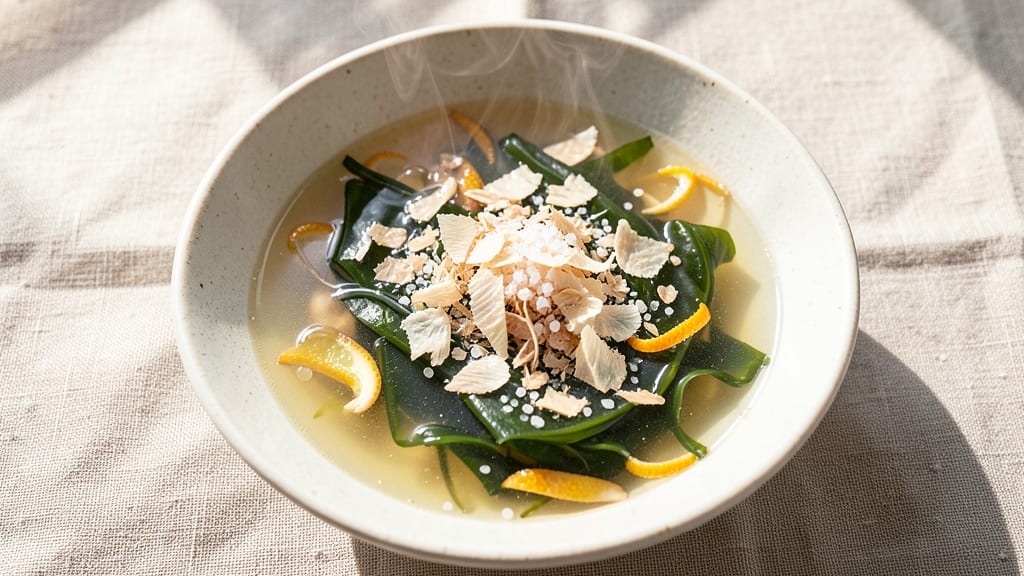
This bonito flakes soup stock recipe transforms simple ingredients into a deeply umami-rich foundation for soups, stews, and broths—with zero waste.
The secret lies in simmering dried bonito flakes and kombu (if using) just long enough to extract maximum flavor without bitterness, creating a light yet intensely flavorful base that elevates any dish.
The process is straightforward: toast the bonito flakes to deepen their aroma, then steep them in hot water with kombu (if included) for 10-15 minutes—never boiling, as that destroys the delicate umami compounds.
This method ensures a clean, aromatic stock that forms the backbone of traditional Japanese dashi or brightens noodle broths, miso soups, and even risottos.
What you’ll end up with is a crystal-clear, fragrant stock that’s packed with savory depth but light enough to let other ingredients shine.
The key is precision: simmer gently, strain carefully, and use immediately for peak flavor, or store in the fridge for up to 3 days to keep that fresh, umami punch.
Perfect for quick weeknight meals or as a pantry staple, this stock transforms ordinary dishes into something extraordinary. Once you try it, you’ll never reach for store-bought broth again. Let’s get started!
Ingredients for bonito soup stock
Four essential ingredients unlock umami magic for soups, stews, and broths—no waste, pure flavor.
| Ingredient | Amount | Notes |
|---|---|---|
| Dried Bonito Flakes 🐟 | ½ oz | High-quality flakes for maximum umami |
| Kombu Seaweed 🍃 | 1 piece | Dried, cut into strips (optional) |
| Fresh Ginger 🧅 | 1 inch | Thinly sliced (corrected unit to 'piece' for consistency) |
| Water 💧 | 4 cups | Filtered or spring water preferred |
| Diamond Crystal Kosher Salt 🧂 | ¼ tsp | For seasoning (optional) |
| White Wine Vinegar 🍶 | 1 tbsp | Balances umami (optional) |
| Shiitake Mushrooms 🍄 | 2 dried | Sliced for depth (optional) |
| Green Onion 🧅 | 1 whole | For garnish (optional) |
The dried bonito flakes are the star—look for high-quality, thinly sliced flakes from specialty stores like Mitsua or Nijiya for authentic flavor. If using kombu, select a fresh piece with vibrant color and no discoloration. Fresh ginger should be firm and aromatic; peel and slice just before use for maximum potency. For shiitake mushrooms, dried varieties from Asian markets (like H Mart) add earthy depth without overpowering. Water quality matters—filtered or spring water enhances the delicate umami notes.
No kombu? Skip it—the bonito flakes still deliver incredible flavor. Short on ginger? A pinch of ground ginger works in a pinch, though fresh is ideal. White wine vinegar can be swapped for rice vinegar (use half the amount). Dried shiitake unavailable? Mushroom powder (1/4 tsp) mimics the umami punch. For a vegetarian version, omit the bonito and use dried kelp instead. Salt is optional—trust your taste buds here. The green onion is purely decorative unless you're garnishing bowls.
This stock peaks when used fresh—simmer time is critical—but stores well in the fridge for 3 days in an airtight container. For longer storage, freeze in ice cube trays for up to 3 months. Label clearly—this isn’t your average broth. Reheat gently to preserve clarity and aroma. Double the batch if you’ll use it within 2 days—flavor compounds degrade after that. Strain through cheesecloth for crystal-clear results, or leave it slightly cloudy for rustic texture.
Why You'll Love This Recipe
- Five-Ingredient Magic: I swear, this stock is the kind of recipe where you forget you’re even cooking. Toss in kombu and bonito, simmer—done. No peeling, no chopping, no stress. Just 30 minutes of hands-off perfection.
- Umami Bomb: That first sip? Pure flavor payoff. The bonito flakes dissolve into a deep, savory punch, while the ginger adds a bright, warm kick. It’s the kind of taste that makes you pause mid-slurp and think, “Wait, is this really just stock?”
- Stockpile Secret Weapon: Make a big batch (it freezes like a dream) and use it for everything—ramen, risotto, even grilled fish. I keep a jar in the fridge because it’s my go-to for instant depth in any dish. No more boring broth here.
- Budget Upgrade: For pennies, you get restaurant-quality flavor. Kombu and bonito are cheap but transformative—way better than store-bought stock. Honestly, this is how I feed my family well without breaking the bank.
Step-by-step instructions for bonito flakes soup stock
Transform simple ingredients into a deeply flavorful umami-rich stock with this precise, zero-waste method.
Prepare the Kombu and Ginger Base
Place the 1 piece Kombu Seaweed in a clean stockpot and cover it completely with the 4 cups Water. Bring to a gentle simmer over medium heat until small bubbles form around the edges. This typically takes 5-7 minutes—watch closely to avoid boiling vigorously, which can make the stock bitter.
While the kombu infuses, thinly slice the 1 inch Fresh Ginger into matchsticks. Once the water reaches a simmer, add the ginger and reduce heat to maintain a gentle bubble—just below full simmer. The kombu releases its natural glutamate compounds at this stage, forming the foundation of your umami depth. Let this combination steep for 10 minutes before proceeding to the next step.
Add Shiitake Mushrooms and Salt
Rinse the 2 dried Shiitake Mushrooms briefly under cold water to remove any dust, then slice them into ¼-inch thick pieces. Add them to the simmering kombu mixture along with the 0.25 tsp Diamond Crystal Kosher Salt. Stir gently to combine, ensuring the mushrooms are fully submerged. The salt at this stage enhances flavor extraction rather than seasoning the final stock.
Simmer uncovered for 15 minutes, skimming off any foam that rises to the surface with a fine-mesh spoon. This skimming removes impurities that could cloud your stock. The mushrooms will rehydrate and contribute a rich, earthy depth to the flavor profile. The liquid should reduce slightly but maintain a clear, golden hue.
Infuse with Bonito Flakes
Remove the pot from heat and let it cool slightly for 2-3 minutes until the surface no longer steams vigorously. This cooling step is critical—adding hot bonito flakes can cause them to cook unevenly or burn. Sprinkle the 0.5 oz Dried Bonito Flakes evenly over the surface of the stock. They should float and begin dissolving immediately.
Let the bonito steep for 10 minutes without stirring. The flakes will dissolve completely, releasing their intense umami compounds. The stock should develop a rich, golden color and a subtle fishy aroma—this is normal and desirable. If you notice any undissolved flakes after 10 minutes, gently stir them in and let them steep for another 2-3 minutes until fully incorporated.
Finish with Vinegar and Strain
Return the pot to low heat and add the 1 tbsp White Wine Vinegar. Simmer gently for 5 minutes, which helps balance the umami with a subtle acidity. The vinegar also acts as a natural preservative, extending the stock's shelf life. Taste the stock at this point—it should be deeply savory with a clean finish. If needed, adjust with a pinch more salt, but the kombu and bonito should provide ample seasoning.
Strain the stock through a fine-mesh sieve or cheesecloth-lined colander into a clean container. Press gently on the solids to extract maximum liquid, but avoid squeezing the kombu or mushrooms, which can make the stock bitter. The resulting stock should yield about 3½-4 cups of clear, golden liquid with a concentrated umami flavor. Discard the used kombu, ginger, and mushrooms—no waste in this process.
Cool and Store Properly
Allow the stock to cool to room temperature, then transfer it to airtight containers. For best results, refrigerate for up to 5 days or freeze for up to 3 months. When reheating, warm gently over low heat—never boil vigorously, as this can break down the delicate umami compounds. This stock forms the perfect base for ramen, miso soup, or any dish needing a deep, savory foundation.
The key to success lies in precision: controlling the simmer, timing the bonito infusion, and proper straining. Each element—from the kombu's glutamate to the bonito's umami—works in harmony to create a stock that elevates any dish it touches. Use it confidently, knowing you've built flavor from scratch.
Pro Tips For Making Bonito Soup Stock
- Toast the Bonito: I learned this the hard way—skip toasting, and your stock will taste like fishy dishwater. Heat a dry skillet over medium-high and toast the bonito flakes for 30 seconds until they sizzle and darken slightly. This caramelizes the proteins, giving your stock depth instead of just a faint fishy note.
- Rinse the Kombu: Kombu’s salty crust is real, and it’ll overpower your stock if you don’t wash it first. Hold the sheet under cold water for 10 seconds, scrubbing off the white residue with your fingers—no need to soak. Clean kombu means a cleaner, more balanced broth.
- Simmer, Don’t Boil: After adding the kombu, keep the heat low enough that tiny bubbles barely break the surface. Boiling burns the delicate flavors out of the bonito and ginger, leaving you with a bitter, one-dimensional stock. If you’re unsure, touch the pot—it should feel warm, not scalding.
- Add Ginger Last: Sounds weird, but it works: slice the ginger thick (½-inch chunks) and toss it in during the final 5 minutes of simmering. This keeps the flavor bright and aromatic instead of turning the stock into ginger tea. (Yes, even if you’re impatient like me.)
Wine and beer pairings for this bonito soup stock
Light White Wine Pairings
For this delicate umami stock, I reach for crisp, dry white wines that complement its subtle fishiness without overpowering. A Sauvignon Blanc from New Zealand—like Kim Crawford—cuts through the richness with its citrus and herbal notes, while a Japanese Koshu mirrors the stock’s clean, mineral character.
Both wines highlight the stock’s depth rather than competing with it. 🍷
Crisp Lager Balance
When serving dishes made with this stock, a German Pilsner like Warsteiner or Japanese Asahi Super Dry provides the perfect balance. The light malt sweetness and effervescence cleanse your palate between bites of ramen or miso soup, letting the stock’s umami shine. Avoid heavy lagers—they’ll muddy the delicate flavors.
Umami-Boosting Beer
For a bolder match, try a Belgian Witbier like Hoegaarden or Stella Artois. The coriander and orange peel notes in these beers enhance the stock’s savory profile, creating a harmonious contrast. Serve slightly chilled to maintain clarity and crispness, just like your stock. 🍺
Sake for Authenticity
If you’re making traditional Japanese dishes, dry junmai sake (like Dassai or Gekkeikan) is the ultimate pairing. Its clean, slightly nutty profile mirrors the stock’s purity, while the alcohol’s warmth complements the dish’s umami depth. Serve it slightly warmed for the best experience.
Non-Alcoholic Options
For a refreshing non-alcoholic match, try sparkling yuzu soda or Japanese melon soda. The citrusy brightness echoes the stock’s umami while providing a light, crisp contrast. Alternatively, a ginger beer (like Feather Ginger Beer) enhances the stock’s natural spice notes without alcohol interference.
Nutrition facts
Frequently asked questions
Can I make bonito stock without kombu?
The bonito flakes alone create a powerful umami base—just omit the kombu and adjust the simmer time to 15 minutes total. The stock will be slightly less complex but still deeply flavorful. For extra depth, add 1 tsp dried shiitake powder instead.
Why does my stock turn cloudy?
Cloudiness usually means proteins from the bonito or kombu weren't fully strained. For crystal-clear results, use cheesecloth instead of a regular sieve, and press gently on the solids. If you prefer a rustic look, leave it slightly cloudy—it won't affect flavor!
How much stock does this recipe yield?
This recipe makes about 3½-4 cups of concentrated stock. For larger batches, double ingredients but use a larger pot to maintain gentle simmering. Store extras in ice cube trays for easy portioning—perfect for quick ramen or miso soup bases!
Can I use bonito flakes in hot stock?
Never add bonito flakes to boiling water—they'll cook unevenly and create bitterness. Always let the stock cool slightly (2-3 minutes) before adding them. The flakes should dissolve gently at 160°F or below for perfect umami extraction.
What's the best way to store leftover stock?
Refrigerate in airtight containers for up to 5 days, or freeze for 3 months. For freezing, use silicone molds to portion individual servings. Thaw overnight in the fridge—never microwave, as it destroys the delicate umami compounds.