
Soups & Stews
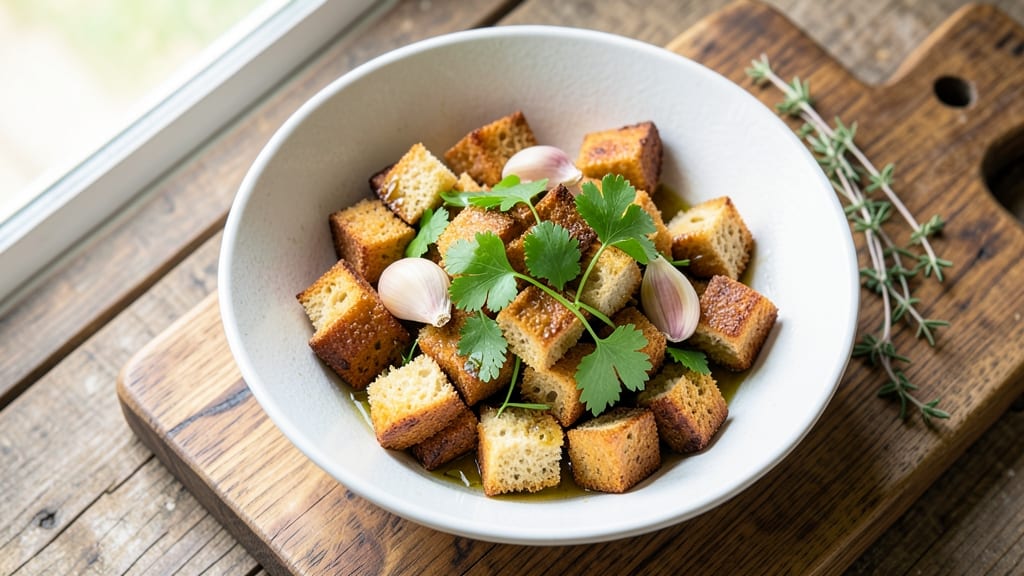
This bread croutons for soup recipe transforms stale bread into golden, crispy bites that add texture and flavor to any broth. The secret lies in thin, even slices and a high-heat toasting method that creates that perfect crunch without burning.
I’ve perfected this technique over years of soup-making—it’s the one upgrade that turns good soup into unforgettable. The beauty of these croutons is their versatility. A simple garlic-herb blend elevates classic chicken noodle or tomato soup, while a sprinkle of Parmesan adds depth to creamy bisques.
The key is cutting bread uniformly and toasting in batches for even browning. No fancy equipment needed—just a sharp knife, a baking sheet, and patience for that irresistible crunch.
What makes these croutons special is how they enhance soup at the last minute, adding a contrast of textures and temperatures. The garlic and herbs infuse the broth as they toast, creating a fragrant, aromatic bite that keeps you reaching for more.
They’re also make-ahead friendly, so you can prep a batch and store them for weeks. Whether you’re serving a homemade minestrone or a restaurant-style clam chowder, these croutons take it to the next level. The best part?
They’re customizable—swap herbs for spices, use gluten-free bread, or add a touch of smoked paprika for extra depth. Let’s make them!
Ingredients for bread croutons for soup
Pantry staples and a few fresh herbs—all you need for restaurant-worthy croutons that transform any soup.
| Ingredient | Amount | Notes |
|---|---|---|
| Stale Baguette or French Bread 🍞 | 4 cups | Cut into 1-inch cubes, crusts removed |
| Extra-Virgin Olive Oil 🫒 | ¼ cup | For even coating and crispiness |
| Garlic Cloves 🧄 | 3 cloves | Minced finely for aromatic punch |
| Fresh Parsley Leaves 🌿 | ¼ cup | Chopped finely, stems removed |
| Fresh Thyme Leaves 🌿 | 1 tbsp | Or 1 tsp dried thyme if fresh unavailable |
| Salt 🧂 | 1 ½ tsp | Diamond Crystal preferred for flavor |
| Black Pepper 🌶️ | ½ tsp | Freshly cracked for best flavor |
| Parmesan Cheese 🧀 | ¼ cup | Freshly grated, for depth of flavor |
| Dried Oregano 🍃 | ½ tsp | Optional, for Mediterranean flair |
| Smoked Paprika 🌶️ | ¼ tsp | For subtle smokiness (optional) |
The bread is everything here. Baguette or French bread works best—it’s sturdy enough to hold up during toasting but still soft enough to soak up flavors. Whole grain or gluten-free bread also works, but cut the cubes slightly smaller for even cooking. I always grab the day-old bread from the bakery section at Whole Foods or Trader Joe's—it’s perfect for this. If you’re using fresh bread, let it sit out for 20 minutes to stale slightly. The crusts? Toss them—they burn before the insides crisp up. For extra flavor, consider a ciabatta or sourdough if you want a heartier bite.
No fresh herbs? Dried thyme at one-third the amount works in a pinch, but fresh is ideal. Short on garlic? Garlic powder at half the amount gets you close, but it lacks that toasty depth. The Parmesan is non-negotiable for that savory punch—pre-grated gets clumpy, so grate it yourself. Want to skip the cheese? Extra olive oil and a pinch of smoked paprika adds richness. For a spicier kick, swap the paprika for red pepper flakes. And if you’re making a big batch, double the herbs and spices—they’ll mellow out as they toast, so start strong.
These keep for 2-3 weeks in an airtight container at room temperature, but honestly, they disappear faster than that. Store them in a glass jar or sealed container to maintain crispiness. For extra crunch, spread them on a baking sheet and toast at 350°F for 5 minutes before using. They’re perfect for topping soups, salads, or even garnishing grilled cheese sandwiches. Make a big batch—you’ll want them on hand for everything from tomato basil soup to creamy potato leek. Freeze extras in a single layer, then transfer to a bag for up to 3 months.
Why You'll Love This Recipe
- No-Waste Hero: I swear by this trick—turning yesterday’s baguette into today’s soup upgrade. No fancy tools, no stress, just slice, toss, and bake. My kids’ lunchbox gets the scraps, and my soup gets the star treatment.
- Garlic-Herb Magic: That crispy edge with the creamy, buttery center? Chef’s kiss. The garlic and thyme sizzle in the oil until the kitchen smells like a Parisian bistro, and the parsley adds that fresh pop no store-bought crouton can match.
- Soup’s Best Friend: Works in everything—tomato basil, creamy potato, even chili. I keep a jar in the fridge for last-minute additions, and honestly? It’s the secret to making cheap soup feel like a restaurant meal. (Yes, even on a Tuesday night.)
- Budget Crunch Saver: Stale bread becomes gold. No need to buy expensive croutons or specialty bread—just grab what’s sitting in your pantry. A little oil and herbs stretch a loaf into three meals, and the cost? Laughable. My wallet thanks me every time.
Step-by-step instructions for crunchy garlic-herb croutons
Here's how to transform stale bread into irresistible, aromatic croutons that'll make every spoonful of soup unforgettable.
Prepare the Bread Cubes
Start by cutting the 4 cups stale baguette or French bread into 1-inch cubes, removing any crusts. I like to use a sharp serrated knife for clean cuts—this prevents uneven pieces that cook at different rates. Spread the cubes on a baking sheet in a single layer and let them sit at room temperature for 10 minutes. This brief rest prevents them from steaming when they hit the hot oil later, ensuring maximum crispiness.
While the bread rests, preheat your oven to 375°F. This moderate temperature gives you time to toss the croutons without burning them. I've found that preheating is crucial—cold oil absorbs into the bread instead of creating that golden, crispy exterior we're after. Think of this as your foundation step; skip it, and you'll end up with soggy bites.
Season the Bread with Garlic and Herbs
In a large bowl, combine the bread cubes with the 3 cloves minced garlic, 0.25 cup finely chopped parsley, 1 tbsp fresh thyme leaves, 1.5 tsp salt, 0.5 tsp black pepper, 0.25 cup grated Parmesan cheese, 0.5 tsp dried oregano, and 0.25 tsp smoked paprika. Toss everything together until the bread cubes are evenly coated and the seasonings cling to every surface.
Here's the thing—don't be shy with the herbs and cheese. The Parmesan adds a salty depth that pairs perfectly with the garlic, while the smoked paprika gives a subtle complexity that elevates these from basic croutons to something special. I like to use my hands for this step; it helps distribute the seasonings more evenly than a spoon would.
Toss with Olive Oil and Bake
Drizzle the seasoned bread cubes with the 0.25 cup extra-virgin olive oil and toss again until every piece is glistening and coated. Spread them out on two baking sheets in a single layer, leaving about ½ inch between each cube. This spacing is critical—it prevents steaming and ensures even browning.
Bake for 12-15 minutes, stirring halfway through, until the croutons are golden brown and crispy. You'll know they're done when they sound hollow when shaken together in the pan. Don't walk away during this step; check them at the 10-minute mark so you can catch them before they burn. The exact time depends on your oven, but they should be crispy yet still retain some texture—too long, and they'll turn brittle.
Cool and Store Properly
Remove the croutons from the oven and let them cool on the baking sheets for 5 minutes. This brief rest helps them set and prevents them from becoming soggy when you transfer them to storage. Once cooled, transfer them to an airtight container—glass jars work best for this.
These croutons stay crispy for up to 5 days at room temperature, but for maximum freshness, store them in the refrigerator for up to 2 weeks. If you find them losing their crunch after a few days, simply pop them back in the oven at 350°F for 3-5 minutes to revive them. The key to great croutons is keeping them dry; never store them in a damp environment.
Pro Tips For Making Bread Croutons For Soup
- CUT BREAD SMALLER THAN YOU THINK: The baguette pieces should be about ½-inch thick—any thicker and they’ll steam instead of crisp. I learned this the hard way when my first batch came out gummy. A sharp serrated knife makes this easier, and don’t stress about perfect cubes; uneven edges just add character.
- USE A LITTLE TOO MUCH OIL: About 2 tablespoons per batch—enough to coat the pan but not pool. Too little oil means sticking; too much means soggy croutons. After burning three batches, I finally realized: the bread should sizzle but not smoke. If it’s hissing like a grease fire, pull back the heat.
- TOAST IN BATCHES: Crowd the pan and the croutons will steam instead of crisp. Work in single layers, giving them space to breathe. I was skeptical until I tried it—now I never skip this step. A 10-inch skillet holds about 10 pieces comfortably, and if you’re impatient like me, resist the urge to shuffle them around.
- GARLIC FIRST, HERBS LAST: Sauté the minced garlic in the olive oil for 30 seconds until it’s golden but not browned—this builds flavor without bitterness. Toss in the bread, then add the herbs at the very end so they stay bright and fragrant. My grandmother swore by this, and she was right: the parsley and thyme should look fresh, not wilted.
Make-ahead tips for this dish
Batch Prep Strategy
Make a double batch of croutons when you have time—they disappear fast! I typically double the recipe (using 8 cups bread) and store them in two separate airtight containers.
This way, you always have fresh croutons on hand for soups, salads, or sandwiches. I like to label them with the date so I can track freshness. 📅
Freezer-Friendly Tips
For long-term storage, spread croutons in a single layer on a baking sheet and freeze until solid (about 1 hour). Then transfer to a freezer bag, squeezing out excess air.
This prevents them from sticking together. When ready to use, toast directly from frozen at 375°F for 5-7 minutes—no thawing needed! 🧊
Reviving Stale Croutons
If your croutons lose their crunch after a few days, don’t toss them! Spread them on a baking sheet and toast at 350°F for 3-5 minutes until crispy again. I do this all the time—it’s like giving them a second life. Just avoid microwaving; it makes them rubbery. 🔥
Portion Control
When storing, divide croutons into small portions (about ½ cup per container). This makes it easy to grab just what you need without overcrowding your fridge. I keep one container in the pantry for quick access and another in the fridge for longer storage.
Perfect for when you’re craving soup on a busy weeknight! 🍲
Make-Ahead for Soups
Prep croutons 1-2 days ahead of your soup night. They’ll have time to absorb flavors from your pantry, making them even more aromatic. I often make them the day before serving—it’s one less thing to worry about when you’re busy cooking.
Plus, the extra time lets the garlic and herbs infuse the bread even more. ✨
Travel-Friendly Packing
Pack croutons in a small, resealable container when bringing soup to potlucks or picnics. They stay crispy for up to 3 days at room temperature if stored properly. I’ve even used them as a crunchy topping for chilled soups like gazpacho—just add them right before serving. 🚗
Nutrition facts
Frequently asked questions
Can I use any type of bread for croutons?
While you can use most breads, baguette or French bread works best for their sturdy texture and even toasting. For gluten-free options, try a sturdy GF loaf and cut cubes slightly smaller (½-inch) to ensure even cooking. Avoid soft breads like brioche—they absorb too much oil and turn greasy rather than crispy.
Why do my croutons turn out greasy instead of crispy?
Greasy croutons usually mean too much oil or bread that wasn't properly dried. Use just ¼ cup olive oil for 4 cups bread, and let cubes sit uncovered for 10 minutes before baking to evaporate excess moisture. Also, spread them ½-inch apart on the baking sheet for even airflow.
When should I add croutons to soup?
Always add croutons in the last 2 minutes of cooking to preserve their crunch. If making ahead, store them separately and sprinkle on top right before serving. For cold soups like gazpacho, add them just before eating—they soften quickly in liquid.
How can I make these croutons spicier?
Swap the smoked paprika for ½ tsp cayenne pepper or 1 tsp chili flakes for heat. For depth, add ½ tsp crushed red pepper flakes with the garlic. For a smoky kick, try ½ tsp chipotle powder instead of regular paprika. Always taste the seasoning before baking!
Can I make croutons without an oven?
Yes! Use a large skillet over medium-high heat with ¼ cup oil. Add croutons in batches and cook for 2-3 minutes per side, stirring constantly, until golden. Watch closely—they burn faster than in the oven. For extra crispiness, finish under a broiler for 1-2 minutes.