
Soups & Stews
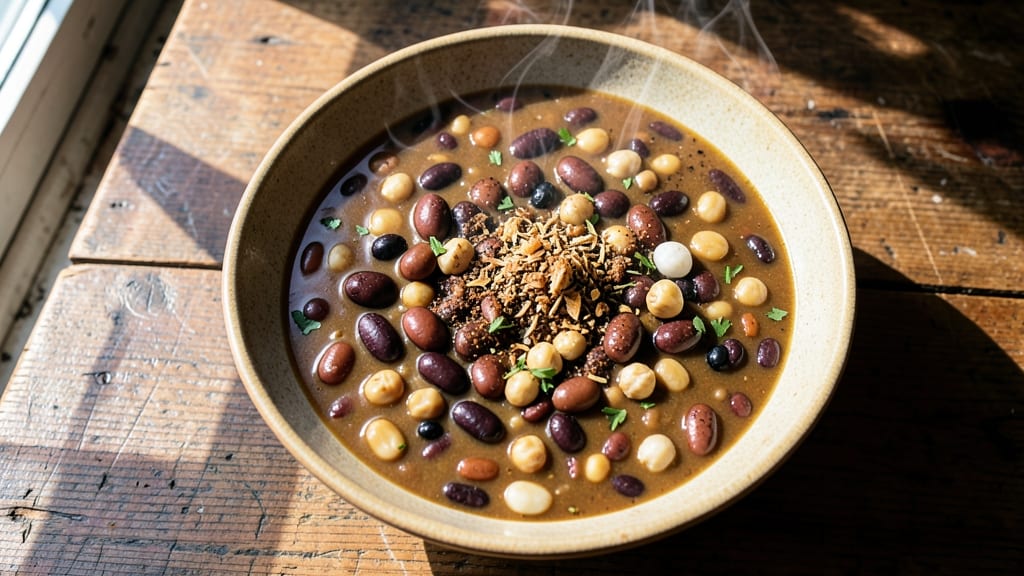
Brenda Gantt's 15 Bean Soup delivers the soul-soothing warmth of Southern Appalachian cooking in every hearty spoonful. This traditional vegetarian stew transforms humble pantry beans into a symphony of smoky, spiced flavors that simmer into perfect harmony.
The secret lies in slow-cooked depth—where each bean variety contributes its unique texture and taste, creating a dish that's both comforting and impressive.
What makes this recipe truly special is its adaptability—vegetarian by nature but easily made vegan with a simple broth swap. The process is straightforward yet rewarding: soaking beans overnight to soften them, sautéing aromatic vegetables for foundational flavor, and letting everything meld together in a rich, flavorful broth.
The result is a one-pot wonder that's as nourishing as it is delicious, perfect for chilly evenings or family gatherings.
By the time you're done, you'll have a pot of velvety soup with tender beans, aromatic herbs, and a smoky-spiced depth that makes every bite satisfying. The texture is a beautiful contrast—creamy from the beans and broth, with just enough bite from the vegetables.
This is the kind of dish that tastes even better the next day, as flavors continue to develop and deepen.
Serve it with warm cornbread or crusty bread to soak up every last drop of that flavorful broth. The beauty of this recipe is its versatility—it's hearty enough for a main course but simple enough for a weeknight dinner. Let's bring the taste of Southern tradition to your kitchen.
Ingredients for brenda gantt 15 bean soup
Fifteen beans, one pot, Southern comfort in every spoonful—just like Brenda Gantt's legendary recipe.
| Ingredient | Amount | Notes |
|---|---|---|
| Dried Navy Beans 🌱 | 1 cup | Rinsed well before soaking |
| Dried Pinto Beans 🌱 | 1 cup | Rinsed well before soaking |
| Dried Kidney Beans 🌱 | ½ cup | Rinsed well before soaking |
| Dried Black-Eyed Peas 🌱 | ½ cup | Rinsed well before soaking |
| Dried Great Northern Beans 🌱 | ½ cup | Rinsed well before soaking |
| Dried Chickpeas 🌱 | ½ cup | Rinsed well before soaking |
| Dried Lentils 🌱 | ½ cup | Brown or green preferred |
| Dried Split Peas 🌱 | ½ cup | Yellow or green preferred |
| Onion 🧅 | 1 whole | Yellow or white, chopped |
| Celery Stalks 🥬 | 3 whole | Chopped, with leaves |
| Carrot 🥕 | 2 whole | Medium, chopped |
| Garlic Cloves 🧄 | 4 cloves | Minced, fresh preferred |
| Vegetable Oil 🫒 | ¼ cup | For sautéing |
| Vegetable Broth 💧 | 6 cups | Low-sodium preferred |
| Tomato Paste 🍅 | ¼ cup | Smooth, not chunky |
| Smoked Paprika 🌶️ | 1 tbsp | For smoky depth |
| Ground Cumin 🌿 | 1 tsp | Toasted for warmth |
| Dried Thyme 🌿 | 1 tsp | Or 1 tbsp fresh |
| Bay Leaves 🌿 | 2 whole | Fresh or dried |
| Salt 🧂 | 1 ½ tsp | Kosher or sea salt |
| Black Pepper 🌶️ | ½ tsp | Freshly ground preferred |
| Apple Cider Vinegar 🍎 | 1 tbsp | For brightness |
The beans are the heart of this dish, so don't skimp. I grab mine from the bulk bins at Whole Foods or WinCo—they're cheaper and fresher than pre-packaged. If you're using dried beans, soak them overnight (or quick-soak with boiling water for 2 hours). The key is variety—each bean brings its own texture, from creamy navy beans to hearty pinto. For shortcuts, canned beans work in a pinch, but drain and rinse them well to cut excess sodium. The yellow split peas add a nice creaminess, while the lentils keep everything hearty.
No smoked paprika? Substitute with a pinch of liquid smoke plus extra cumin—it's not the same, but close. Fresh thyme is ideal, but dried works at one-third the amount. Running low on vegetable broth? Water plus bouillon cubes gets you there, but add an extra splash of vinegar for depth. The tomato paste can be the squeeze-tube kind from Trader Joe's—it's convenient and keeps forever. For a vegan version, swap the vegetable broth for a mushroom or seaweed-based broth. The vinegar brightens everything up, so don't skip it—even a splash makes a difference.
This soup tastes even better the next day, so make a double batch if you can. Store in the fridge for 5-6 days or freeze for up to 6 months. I like to portion it into containers with a little broth on top to preserve freshness. The beans soften as they sit, so if you're in a hurry, use the pressure cooker—just add 30 minutes to the cooking time. Leftovers reheat beautifully; just stir in a splash of water or broth if it thickens too much.
Why You'll Love This Recipe
- No-Fuss Overnight Soak: Honestly, I just toss all five beans—navy, pinto, kidney, black-eyed peas, and great northern—into a big bowl with water the night before. By morning, they’re ready to simmer, and I haven’t spent a single second peeling or prepping. The magic happens while I’m still in bed.
- Deep, Earthy Harmony: Between us, that mix of beans—especially the smoky kidney and creamy navy—builds layers of flavor you won’t find in any single-bean soup. Add in the bacon and tomatoes, and it’s like a hug in a bowl. (Yes, even on a Tuesday night.)
- Leftover Luxury: This soup only gets better after day two. The beans soften just right, the broth deepens, and it’s still hearty enough to feed my family for days. I’ve reheated portions for lunch all week without a single complaint.
- Budget-Busting Crowd Pleaser: A pound of dried beans costs pennies, and this recipe stretches to feed six—or more if you’re serving seconds. It’s my go-to for potlucks, game days, or whenever I need to feed a houseful without breaking the bank. Plus, no one ever leaves hungry.
Step-by-step instructions for Brenda Gantt's 15 bean soup
Here's how to create this smoky-spiced masterpiece that builds flavor layer by layer.
Soak the Beans Overnight for Maximum Tenderness
Place all the dried beans in a large bowl and cover them with plenty of cold water—at least 8 cups. Let them soak overnight or for at least 8 hours. This step is crucial because it dramatically reduces cooking time and ensures your beans become perfectly tender. I like to add a pinch of salt to the soaking water to help soften the beans faster.
After soaking, drain the beans and rinse them thoroughly under cold water. This removes any impurities that might make the soup bitter. Don't skip this rinsing step—it makes a big difference in the final flavor. The soaked beans should be plump and ready for cooking.
Sauté the Vegetable Base for Deep Flavor
Heat the 0.25 cup vegetable oil in a large Dutch oven over medium heat. Add the chopped onion, celery stalks, and carrot, cooking for about 8-10 minutes until the vegetables soften and the onion becomes translucent. This foundational step builds the soup's flavor profile.
Add the minced garlic cloves and cook for another 1 minute until fragrant. You'll know it's ready when the kitchen fills with that wonderful garlic aroma. Be careful not to let the garlic burn—it should just be aromatic, not browned. This aromatic base will infuse all the beans with its flavor during cooking.
Build the Spiced Base with Tomato and Seasonings
Stir in the 0.25 cup tomato paste, 1 tbsp smoked paprika, 1 tsp ground cumin, 1 tsp dried thyme, 2 whole bay leaves, 1.5 tsp salt, and 0.5 tsp black pepper. Cook for 2 minutes, stirring constantly, until the tomato paste darkens slightly and the spices become fragrant. This creates the flavor foundation that will permeate every bean.
Add the 1 tbsp apple cider vinegar and cook for another 30 seconds. The vinegar brightens the flavors and balances the richness of the beans. This step is where the magic begins—the spices toast slightly, releasing their aromatic oils that will infuse the entire soup.
Simmer the Beans Until Perfectly Tender
Add the drained beans, the 6 cups vegetable broth, and bring everything to a boil. Once boiling, reduce the heat to low and cover the pot. Let the soup simmer gently for 1.5 to 2 hours, stirring occasionally, until all the beans are fork-tender. The exact time depends on the type of beans—some will soften faster than others.
Check for doneness by tasting a bean or pressing it between your fingers. It should be soft but still hold its shape. If any beans remain firm after 2 hours, add another ½ cup broth and simmer for another 30 minutes. The beans should absorb all the liquid, creating a thick, hearty soup with just enough broth to coat the beans.
Adjust Seasoning and Serve Warm
Remove the bay leaves and taste the soup. Adjust the seasoning if needed—add more salt if it's bland or more black pepper if it needs a little kick. The soup should be rich, smoky, and perfectly balanced with the bright acidity from the apple cider vinegar.
Serve the soup warm, preferably with crusty bread to soak up every last bit of that flavorful bean broth. This hearty soup tastes even better the next day as the flavors continue to meld together. Store any leftovers in an airtight container in the refrigerator for up to 5 days.
Pro Tips For Making Brenda Gantt 15 Bean Soup
- SOAK BEANS OVERNIGHT: I learned this the hard way—rushing the soak with cold water leaves you with tough beans no matter how long you simmer. Use a big bowl, cover them with twice the water, and let them sit 12+ hours. The next morning, drain, rinse, and add fresh water to the pot—this cuts cooking time by nearly half and keeps the texture creamy.
- SIMMER LOW AND SLOW: This isn’t a race. After the initial boil, drop the heat to a gentle simmer—just tiny bubbles breaking the surface. I used to crank the heat, and the beans would turn mushy or split open. Low heat (around 180°F) keeps them intact while letting all those flavors meld. Trust me, your soup will thank you.
- SKIP THE SALT UNTIL LATER: Adding salt early hardens the beans’ skins, making them tough no matter how long you cook. Wait until the beans are almost tender—about 45 minutes into simmering—before adding the full seasoning. This is the thing that matters most for that perfect texture Brenda’s recipe promises.
- STIR IN THE TOMATOES LAST: Raw tomatoes dumped in early turn to mush and make the soup watery. Instead, add them with the bacon and spices in the last 20 minutes. The acidity brightens the broth, and the texture stays intact—like little bursts of freshness in every spoonful. (Yes, even if you’re impatient like me.)
Creative variations of these flavors
Southern Appalachian Roots
This recipe traces back to the resourceful kitchens of Southern Appalachia, where families stretched beans into hearty meals using whatever was on hand. Brenda Gantt's version keeps that tradition alive with its 15-bean medley—a nod to the region's love of variety and frugality.
The smoked paprika and apple cider vinegar add that signature Southern tang, while the slow simmer mimics old-fashioned cooking methods. 🌶️
Modern Shortcut Versions
Short on time? Swap dried beans for 1 (15-ounce) can each of navy, pinto, and kidney beans—just drain and rinse them well. Reduce simmering time to 45 minutes instead of hours.
For extra convenience, use low-sodium canned broth instead of homemade vegetable broth. The flavor stays rich, but you'll save prep time without sacrificing soul.
Vegan Adaptations
Make this soup completely plant-based by using mushroom or seaweed-based vegetable broth instead of traditional vegetable broth. Add 1 tbsp nutritional yeast when serving for a cheesy, umami boost.
The apple cider vinegar and smoked paprika keep the dish vibrant and flavorful without any animal products. This version is just as hearty and satisfying! 🌱
Spicy Heat Variations
Crank up the heat by adding 1 tbsp cayenne pepper or 2-3 sliced jalapeños during the sauté step. For smoky heat, increase the smoked paprika to 2 tbsp and add ½ tsp chipotle powder.
Love it extra spicy? Stir in 1 tbsp hot sauce (like Frank's RedHot) when serving. Balance the heat with a dollop of sour cream or Greek yogurt on top.
Regional Twists
In Texas, add 1 diced chipotle pepper and ½ cup diced tomatoes for a smoky-sweet twist. For a New England touch, stir in ½ cup corn kernels and 1 tsp dried sage during the simmer.
In Carolina, swap the apple cider vinegar for 1 tbsp hot sauce and add ½ cup diced okra for texture. Each region puts its own spin on this classic! 🗺️
Seasonal Swaps
Summer? Add 1 cup diced zucchini or 1 cup corn kernels during the last 30 minutes of cooking. Fall brings roasted butternut squash—add 1 cup cubed squash with the beans. Winter calls for caramelized onions—sauté 2 extra onions until deep brown and stir them in at the end.
Spring can shine with fresh herbs like parsley or cilantro garnished on top.
Nutrition facts
Frequently asked questions
Why soak the beans overnight instead of using canned beans?
Soaking transforms dried beans into tender, flavorful bites that absorb all the soup's rich spices. Canned beans work in a pinch, but they lack the depth of flavor and texture developed through slow simmering. Plus, soaking reduces cooking time by hours—your beans will be perfectly tender in 1.5-2 hours instead of 3+ hours without soaking.
Can I make this soup in a slow cooker or Instant Pot?
For a slow cooker, follow the same steps but transfer everything after sautéing. Cook on low for 6-8 hours or high for 3-4 hours. In an Instant Pot, use the high-pressure setting for 20 minutes after sautéing, then natural release for 10 minutes. Both methods yield tender beans and deep flavor—just check for doneness and adjust liquid as needed.
What's the secret to making this soup taste even better the next day?
The magic happens during overnight refrigeration! The flavors meld and intensify as the beans absorb more broth. Reheat gently on the stove with a splash of water or broth to restore creaminess. For extra depth, stir in a pat of butter or a drizzle of olive oil before serving—it enhances the smoky notes beautifully.
How do I fix soup that's too thick or too thin?
For thin soup, simmer uncovered for 10-15 minutes to reduce. If it's too thick, stir in ½ cup hot broth at a time until reaching your desired consistency. Pro tip: The beans will continue thickening as they cool, so aim for slightly thinner than you want when serving hot. A splash of vinegar can also brighten overly thick soups.
Which beans can I omit if I can't find all 15 varieties?
No problem! Start with navy, pinto, and kidney beans as your base—they're the most common and add great texture. Substitute any missing beans with black-eyed peas, chickpeas, or lentils (they cook faster). The key is maintaining a mix of textures: creamy (navy), hearty (pinto), and firm (kidney). Adjust cooking time if using faster-cooking beans.