
Soups & Stews
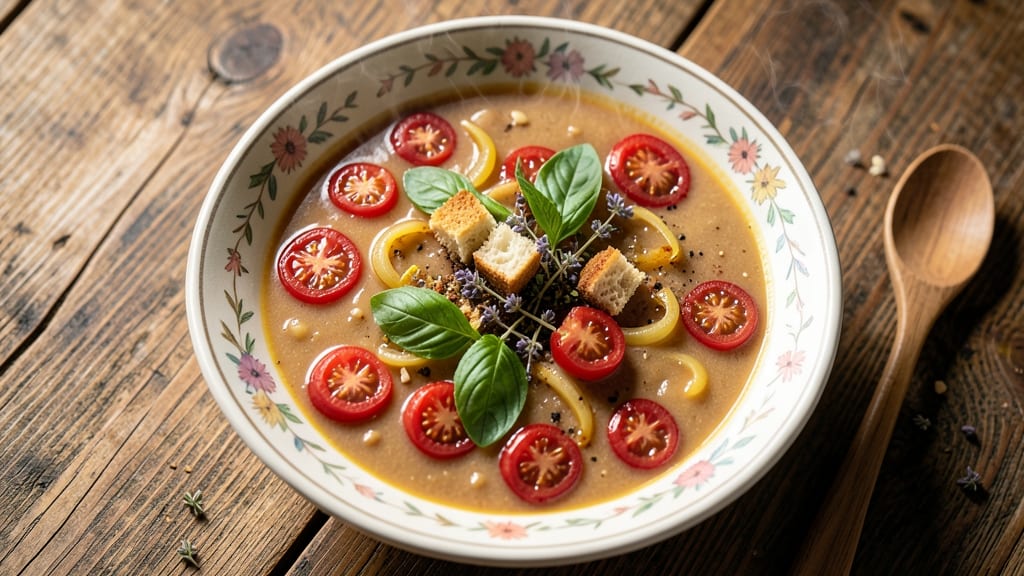
This chunky tomato soup recipe with fresh tomatoes transforms summer's bounty into a restaurant-quality bowl that celebrates texture and flavor. 🌿 I developed it after years of perfecting the balance between rustic garden freshness and rich, savory depth—no blender required.
The secret lies in gently simmering whole tomatoes until they burst naturally, creating that signature chunky texture while building layers of aromatic depth.
What sets this recipe apart is its ability to showcase fresh tomatoes while delivering the comforting, hearty qualities of classic tomato soup. We'll use a simple technique of caramelizing onions and garlic before adding the tomatoes and herbs, allowing their natural sweetness to develop.
The result is a soup that's vibrant, aromatic, and packed with garden-fresh flavor that stays true to its fresh tomato roots.
By the time you're done, you'll have a pot of soup where each spoonful delivers tender tomato pieces, caramelized onions, and aromatic herbs all suspended in a velvety broth. The texture is what makes this recipe special—chunky enough to feel substantial, yet smooth enough to sip easily.
This is the kind of soup that transforms a simple weeknight dinner into something memorable.
The beauty of this recipe is its versatility. You can keep it light with just tomatoes, onions, and herbs, or add a splash of cream for richness. Garnish with fresh basil, a drizzle of olive oil, or crusty bread for serving.
Whether you're using heirloom tomatoes from your garden or fresh market finds, this recipe makes the most of their natural sweetness and acidity.
Ingredients for chunky tomato soup recipe with fresh tomatoes
Fresh tomatoes and aromatic herbs make this chunky soup sing with summer garden flavor.
| Ingredient | Amount | Notes |
|---|---|---|
| Fresh Tomatoes 🍅 | 2 lb | Heirloom or vine-ripened preferred |
| Yellow Onions 🧅 | 2 whole | Medium size, thinly sliced |
| Garlic Cloves 🧄 | 4 cloves | Freshly minced, not pre-minced |
| Extra-Virgin Olive Oil 🫒 | ½ cup | For caramelizing onions |
| Fresh Basil Leaves 🌿 | ½ cup | Packed, stems removed |
| Fresh Thyme Leaves 🌿 | 1 tbsp | Or 1 tsp dried thyme |
| Vegetable Broth 💧 | 4 cups | Low-sodium preferred |
| Heavy Cream 🥛 | ½ cup | Optional for richness |
| Salt 🧂 | 1 ½ tsp | Kosher or sea salt |
| Black Pepper 🌶️ | ½ tsp | Freshly ground |
| Sugar 🍯 | 1 tsp | Balances acidity |
| Balsamic Vinegar 🍶 | 1 tbsp | For depth of flavor |
| Crusty Bread 🍞 | 4 slices | For serving, optional |
Heirloom tomatoes are ideal—their sweetness and texture shine, but any ripe tomatoes work. Farmers markets often have the best selection, but grocery stores carry decent options too. Look for tomatoes that yield slightly to gentle pressure (they should be firm but not hard). I usually grab a mix of colors—reds, yellows, and even a few green ones to add complexity. The onions? Yellow or red both work, but yellows caramelize more beautifully. For the basil, fresh is non-negotiable here—it needs to be vibrant green with no wilt. If you can't find fresh, dried oregano at half the amount is a decent swap, but you'll miss that bright herbal note.
No heirloom tomatoes? Roma or beefsteak tomatoes from the store work great—they're meatier and hold up better to simmering. Fresh thyme hard to find? Dried thyme at one-third the amount is fine, but toast it first for deeper flavor. The heavy cream is optional, but if you add it, use full-fat for the best texture. No balsamic vinegar? A splash of red wine vinegar or even a pinch of sugar will help balance the acidity. For the broth, low-sodium is key—you can always add more salt at the end. And if you're using green tomatoes, add them last—they need less time to soften.
This soup tastes even better the next day as flavors meld. Store in an airtight container in the fridge for up to 5 days. For freezing, portion into containers and leave a 1-inch headspace—it expands as it cools. 3 months in the freezer is perfect. I always make a double batch and freeze half—nothing beats coming home to a pot of soup ready to reheat. Garnish with extra basil, a drizzle of olive oil, or those crusty bread slices right before serving. The bread soaks up all that rich tomato broth—don't skip it!
Why You'll Love This Recipe
- No-Chop Night Saved: I swear by this when I’m too tired to dice tomatoes—just halve them, toss in skins and all, and let the pot do the work. The onions and garlic caramelize into sweet, jammy bits while you stir, and honestly? No one notices the uneven pieces.
- Garlic-Basil Magic: That moment when you pull the pot off the stove and the basil’s bright punch meets the deep, toasty garlic? My mouth waters just thinking about it. The olive oil ties it all together—creamy without cream, rich without heaviness.
- Lunchbox Hero: Between us, this is my go-to for packed lunches. (Yes, even on a Tuesday.) The chunks stay intact in a thermos, and the flavor only gets better overnight—perfect for when you’re too busy to eat at your desk.
- Pantry Stretch: I make this when tomatoes are on sale, then freeze batches for months. A splash of broth or a handful of pasta turns leftovers into dinner, and the basil freezes surprisingly well if you blanch it first—no waste, all flavor.
Step-by-step instructions for chunky tomato soup with fresh tomatoes
Here's how to make restaurant-quality tomato soup that bursts with garden flavor—no blender required.
🔥 Step 1: Caramelize Onions Until Deep Golden
Heat the 0.5 cup extra-virgin olive oil in a large pot over medium-low heat. Add the 2 whole yellow onions (thinly sliced) and cook for 15-20 minutes, stirring occasionally. You're looking for a deep golden color and sweet aroma—this is where the soup gets its rich foundation. If the onions start to brown too quickly, reduce the heat slightly. I like to press down gently with a wooden spoon to help them caramelize evenly.
Don't rush this step. The deeper the caramelization, the more complex the flavor. You'll know it's ready when the onions are soft and the edges are almost translucent with a rich amber hue. This usually happens around the 15-minute mark, but it varies depending on your stove.
🍳 Step 2: Add Garlic and Tomatoes for Depth
Push the onions to one side of the pot and add the 4 cloves garlic cloves (freshly minced) to the empty space. Stir for 30 seconds until fragrant—garlic burns fast, so keep an eye on it. Then add the 2 lb fresh tomatoes (cut into large chunks, seeds removed) and the 1 tbsp balsamic vinegar. Stir everything together and let it cook for 5 minutes to meld the flavors.
Here's the thing—adding the tomatoes right away helps break them down gently while they release their juices. The balsamic vinegar adds a subtle tang that balances the sweetness of the caramelized onions. If your tomatoes are particularly acidic, you might want to add the 1 tsp sugar now to help balance the flavors.
🥘 Step 3: Simmer with Broth and Herbs
Pour in the 4 cups vegetable broth and bring the mixture to a gentle simmer. Add the 1 tbsp fresh thyme leaves and 1.5 tsp salt. Reduce the heat to low and let it cook uncovered for 20-25 minutes, stirring occasionally. You want the tomatoes to soften but still hold their shape—this is what gives the soup its chunky texture. The soup should reduce slightly, becoming thicker and more concentrated in flavor.
Taste after 20 minutes—if it needs more seasoning, adjust with additional salt or black pepper. The thyme should be fragrant but not overpowering. If the soup is too acidic, add a pinch more sugar. This is where all the flavors come together, so don't rush it. The longer it simmers gently, the deeper the flavor.
🍳 Step 4: Finish with Fresh Herbs and Cream
Remove the pot from heat and stir in the 0.5 cup fresh basil leaves (packed, stems removed) and 0.5 cup heavy cream. Let it sit for 5 minutes to allow the basil to infuse the soup with its bright, fresh flavor. The cream adds a luxurious richness without overpowering the tomato flavor. If you prefer a lighter soup, you can skip the cream or use a splash of milk instead.
Here's where it gets fun—taste and adjust the seasoning one last time. You might need a tiny bit more salt or pepper to balance the cream. The basil should brighten everything up, giving the soup that fresh-from-the-garden vibe. If you like your soup extra smooth but still chunky, you can use an immersion blender here to gently blend just a portion of the soup, leaving the rest rustic.
🍽️ Step 5: Serve Warm with Crusty Bread
Ladle the soup into bowls and serve immediately with the 4 slices crusty bread on the side. The bread is perfect for soaking up every last drop of that rich, herby tomato broth. I like to sprinkle a little extra black pepper on top just before serving—it adds a nice contrast to the creamy texture.
This soup tastes even better the next day, so don't hesitate to make a big batch. The flavors deepen as it sits, and the bread gets even more delicious as it absorbs the soup. Real talk: the first bite is always the best, but the second bowl is where the magic really happens.
Pro Tips For Making Chunky Tomato Soup Recipe With Fresh Tomatoes
- CHAR THE ONIONS LOW: I used to blast them on high heat and end up with bitter, blackened bits that ruined the whole soup. Instead, cook the onions over medium-low with a splash of water—just enough to keep them soft and sweet without browning. This takes 10-12 minutes, but it’s the thing that matters most for that deep, caramelized flavor without the bitterness.
- SALT THE TOMATOES FIRST: Toss your chopped tomatoes with a generous pinch of salt (about ½ teaspoon per pound) and let them sit for 10 minutes before cooking. This draws out the water and intensifies their sweetness—no more bland, watery chunks at the bottom of your pot. (Yes, even if you're impatient like me.)
- SKIP THE PEELING: Peel your tomatoes? Don’t bother. The skins add texture and a subtle earthiness that blends perfectly with the basil. Just give them a quick rinse and a rough chop—no need to fuss. I learned this the hard way after peeling 20 tomatoes for a soup that tasted flat compared to the unpeeled version.
- FINISH WITH COLD BASIL: Tear the basil leaves and stir them in only at the very end, right when you’re about to serve. Hot soup wilts basil into a sad, mushy mess—cold leaves keep their bright flavor and vibrant color. If you’re worried about texture, add a few leaves to each bowl separately so everyone gets a proper basil hit.
Serving suggestions for leftovers
Classic Pairings
Serve this chunky tomato soup with crusty sourdough bread—it's the perfect companion for soaking up every last drop of that rich, herby broth. I love using a baguette from Central Market or a homemade loaf from Austin's local bakeries. The crispy crust contrasts beautifully with the velvety soup. 🍞
Cheesy Upgrade
For a Southern-inspired twist, top each bowl with shredded sharp cheddar or Parmigiano-Reggiano just before serving. The cheese melts slightly from the heat of the soup, adding a creamy, salty contrast.
I keep a block of aged cheddar from the store's deli section on hand for this exact purpose—it melts beautifully without turning greasy.
Protein Additions
Turn this into a complete meal by adding grilled chicken breast or crispy prosciutto. I often marinate 8 oz chicken breast in 2 tbsp olive oil, 1 tsp Italian seasoning, and 1 tsp garlic powder before grilling, then slice it into strips.
The prosciutto adds a salty crunch that cuts through the creaminess. Both options work perfectly with this rustic soup.
Herb Garnishes
Fresh herbs elevate this soup to restaurant quality. Sprinkle chopped basil leaves on top for a bright, fresh finish. For extra flair, add thinly sliced radishes or toasted pine nuts—both add a delightful crunch.
I also like a drizzle of high-quality extra-virgin olive oil right before serving. The oil enhances the tomato flavor while adding a luxurious touch.
Seasonal Variations
In summer, serve this soup with chilled cucumber slices and a lemon wedge on the side. The cool cucumber balances the warm soup beautifully. For fall, add roasted butternut squash cubes or crispy sage leaves for a cozy, autumnal twist.
I often make a double batch in fall and freeze half—it's perfect for chilly evenings when you crave comfort food.
Nutrition facts
Frequently asked questions
Can I use canned tomatoes instead of fresh?
Fresh tomatoes give the best flavor, but you can use canned in a pinch! For a similar texture, choose whole peeled tomatoes (not diced) and crush them lightly with your hands before adding. You'll need about 1 (28 oz) can for the 2 lb fresh tomatoes called for. Just reduce the broth by 1 cup since canned tomatoes are more watery.
How do I make this soup spicier?
Add 1-2 tsp red pepper flakes when you sauté the onions, or stir in 1 chopped jalapeño with the tomatoes. For heat lovers, try ½ tsp cayenne pepper at the end. Remember—you can always add more, but you can't take it out! Start with less if you're unsure.
What if my tomatoes are too acidic?
Balance the acidity by adding ½ tsp sugar when you add the tomatoes, or a pinch more at the end. For extra richness, stir in 1 tbsp tomato paste with the onions. The longer simmering time helps mellow the acidity naturally—don't rush the cooking process.
Can I make this soup in a slow cooker?
Sauté the onions and garlic first, then transfer everything to your slow cooker. Cook on low for 6-7 hours or high for 3-4 hours. The slow cooking enhances the flavors even more. Just add the fresh basil and cream at the very end to preserve their brightness.
Why does my soup taste bland after reheating?
Reheating often dulls flavors because the aromatics settle. Revive it by adding 1 tbsp fresh lemon juice or extra black pepper while reheating. For extra depth, stir in 1 tsp balsamic vinegar or a pinch of sugar. Always reheat gently on low heat to avoid breaking down the tomato texture.