
Soups & Stews
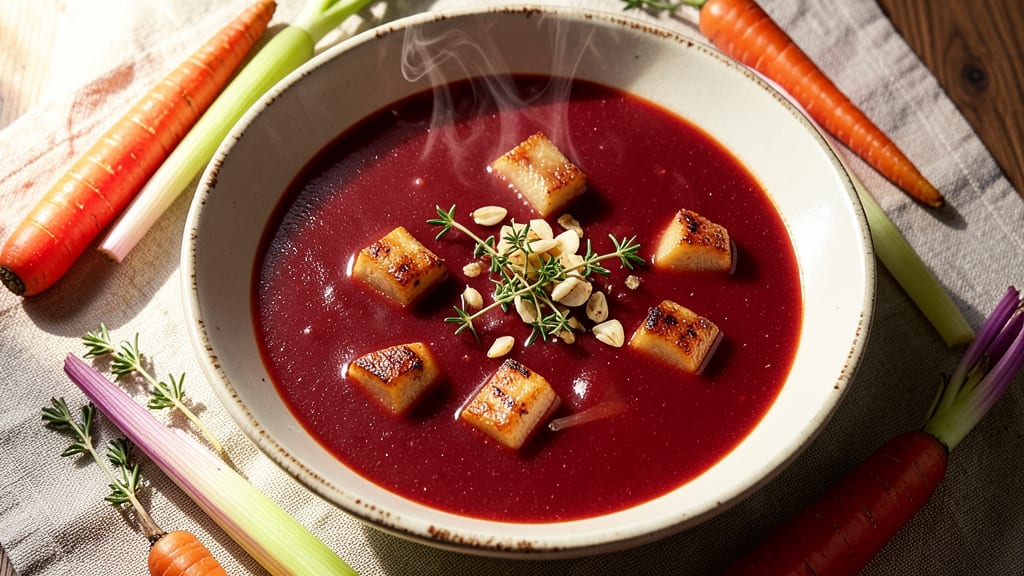
This heart soup recipe brings deep comfort with every steaming bowl—where silky egg ribbons transform humble ingredients into something extraordinary. My grandmother swore by this dish for winter nights, and I’ve perfected her method to ensure safety and rich flavor.
The key lies in slow simmering the broth until it develops that unmistakable depth, then gently folding in delicate egg strands that melt into every spoonful.
The process begins with thorough preparation of the heart—cleaning and blanching to remove impurities before simmering with aromatic vegetables and herbs. This isn’t just soup; it’s a labor of love that rewards patience with a broth so flavorful it becomes the centerpiece of any meal.
The egg ribbons add a luxurious texture that feels indulgent without sacrificing the soul-warming qualities of the broth.
What you’ll end up with is a bowl that warms both body and spirit—golden broth infused with savory depth, punctuated by tender vegetables and those delicate egg strands that dissolve like silk.
The aroma alone will draw everyone to the table, and the first sip delivers on that promise of comfort food done right.
Perfect for chilly evenings or when you need a dish that feels like a hug in a bowl. Let’s get started—this is the kind of recipe that turns ordinary weeknights into something special.
Ingredients for heart soup
Fresh beef heart and aromatic vegetables form the soul of this soup, elevated by delicate egg ribbons.
| Ingredient | Amount | Notes |
|---|---|---|
| Beef Heart 🥩 | 1 ½ lb | Fresh, cleaned and trimmed |
| Yellow Onion 🧅 | 1 whole | Chopped into 1/2-inch pieces |
| Carrots 🥕 | 4 medium | Peeled and sliced into 1/4-inch rounds |
| Celery Stalk 🧆 | 3 whole | Cut into 1-inch pieces |
| Garlic Cloves 🧄 | 6 cloves | Peeled and smashed |
| Fresh Thyme 🌿 | 2 sprigs | Stems removed |
| Fresh Parsley 🌿 | ¼ cup | Chopped, stems removed |
| Large Eggs 🥚 | 4 whole | Freshly laid preferred |
| Bay Leaves 🌿 | 2 whole | Dried, crushed lightly |
| Salt 🧂 | 1 ½ tsp | Diamond Crystal kosher salt |
| Black Peppercorns 🌶️ | ½ tsp | Freshly cracked |
| White Wine 🍷 | ½ cup | Dry, such as Sauvignon Blanc |
| Vegetable Stock 💧 | 4 cups | Homemade or quality store-bought |
| Olive Oil 🫒 | 2 tbsp | Extra-virgin for richness |
| Fresh Lemon Juice 🍋 | 1 tbsp | For brightness at the end |
The beef heart is the centerpiece—look for vibrant, deep red pieces at your butcher's counter, preferably from local farms or specialty meat markets. Whole Foods or Trader Joe's often carry pre-cleaned hearts, but if you're buying whole, soak in cold salted water for 30 minutes to remove impurities. Fresh thyme and parsley from the grocery store's produce section add complexity, but organic herbs from the bulk bins elevate the dish further. The carrots and celery should be firm with bright colors—avoid any with soft spots or wilting. For the wine, dry whites like Sauvignon Blanc or Pinot Grigio work best, but avoid overly oaky choices that can overpower the delicate flavors.
No fresh thyme? Dried thyme at one-third the amount works in a pinch, but fresh is ideal. Substituting vegetable stock for chicken stock maintains the vegetarian-friendly nature of this recipe. For the egg ribbons, freshly laid eggs create the most delicate texture—room temperature eggs work best for folding. If you're concerned about raw egg safety, pasteurized eggs are a reliable alternative. The white wine can be swapped for additional vegetable stock if needed, but the acidity helps balance the richness of the heart. For a deeper flavor, toast the garlic cloves in olive oil for 30 seconds before adding to the pot—this intensifies their aroma significantly.
Store the prepared broth (without eggs) in the refrigerator for up to 5 days or freeze for 3 months in airtight containers. The egg ribbons should be prepared fresh when ready to serve, as they don't store well. For make-ahead convenience, prepare the broth base completely and keep it refrigerated. When ready to serve, simply reheat the broth and prepare the egg ribbons separately, then fold them in just before serving. The soup reheats beautifully, with flavors deepening as it sits—perfect for those chilly evenings when you need a comforting bowl.
Why You'll Love This Recipe
- One-Pot Magic: I swear by this recipe because it’s literally one pot—no chopping boards left in a mess, no extra pans to wash. Just toss in the beef heart, onions, carrots, and celery, let it simmer, and boom. Done. The beef heart actually softens as it cooks, so you don’t even have to worry about tough cuts.
- Umami Bomb: Between us, that beef heart is where the flavor lives. It’s rich but not gamey if you prep it right (quick soak in vinegar, trust me), and the garlic? Oh, it caramelizes into this deep, savory punch that makes the whole soup taste like it’s been simmering for hours. Not fancy, but ridiculously satisfying.
- Leftovers That Beg for More: This soup tastes better the next day—like, "I’d drive through rain to eat this again" better. I make a big batch on Sundays, and by Wednesday, my kids are fighting over the last bowl. Honestly, I’ve even sent it in lunchboxes (with a thermos, obviously), and no one complains.
- Budget Meal That Feeds: Beef heart is a steal compared to steak, and a single package stretches to feed four for two meals easy. Pair it with crusty bread or rice, and suddenly you’ve got a full spread without breaking the bank. Plus, the veggies (onions, carrots, celery) are the kind you always have lying around—no last-minute grocery runs needed.
Step-by-step instructions for heart soup with silky egg ribbons
This technique transforms humble beef heart into a velvety, restaurant-worthy soup where tender meat meets delicate egg ribbons.
Prepare and Sear the Beef Heart
Begin by trimming any remaining connective tissue from the 1.5 lb beef heart using a sharp chef's knife. Cut the heart into 1-inch cubes—this size ensures even cooking and easy separation later. Pat the cubes dry with paper towels to promote browning.
Heat 2 tbsp olive oil in a large Dutch oven over medium-high heat. Working in batches to avoid crowding, sear the heart cubes for 3-4 minutes per side until they develop a deep mahogany crust. Remove the seared heart and set aside—these caramelized bits will form the soup's flavor foundation. The heart should release easily from the pan when properly seared.
Build the Aromatic Base
In the same Dutch oven, add the chopped yellow onion, sliced carrots, and cut celery stalk. Cook over medium heat for 8-10 minutes, stirring occasionally, until the vegetables soften and begin to caramelize. Add the smashed garlic cloves and cook for an additional 1 minute until fragrant—this prevents garlic from burning, which would impart bitterness.
Stir in the 2 sprigs fresh thyme, 2 crushed bay leaves, 1.5 tsp salt, and 0.5 tsp black peppercorns. Pour in the 0.5 cup white wine and scrape up any browned bits from the bottom of the pot. This deglazing step captures all the flavor locked in the seared heart and vegetables. Let the wine simmer for 3-4 minutes until reduced by half.
Simmer the Broth
Add the seared beef heart cubes back to the pot along with the 4 cups vegetable stock. Bring to a gentle boil, then reduce heat to low and cover partially. Simmer for 1.5-2 hours, stirring occasionally, until the beef heart is fork-tender and easily pulls apart. The broth should be rich and deeply infused with the heart's meaty essence.
Real talk: The heart will release into the broth as it cooks. This is normal and actually enhances the soup's texture. If the broth reduces too much, add hot water 1 tablespoon at a time to maintain the desired consistency. The heart is done when it shreds easily with a fork and the broth has a velvety, almost custard-like quality.
Finish with Egg Ribbons
In a separate bowl, whisk together the 4 large eggs with a pinch of salt and pepper. Slowly ladle 1 cup of the hot broth from the soup into the egg mixture while whisking constantly. This tempering step prevents the eggs from scrambling when they hit the hot broth.
Return the egg mixture to the pot and stir gently. Reduce heat to lowest setting and let the soup cook for 5-7 minutes, stirring constantly with a wooden spoon. You're looking for the eggs to form delicate, silky ribbons that coat the back of the spoon. The soup should be thick but still pourable—if it's too thick, thin it with a splash of hot broth.
Garnish and Serve
Remove the pot from heat and stir in the 0.25 cup chopped fresh parsley and 1 tbsp fresh lemon juice. The acidity brightens the rich flavors and cuts through the heart's meatiness. Taste and adjust seasoning with additional salt or pepper if needed.
Ladle the soup into warmed bowls immediately. The egg ribbons will continue to set slightly as the soup cools, creating a luxurious mouthfeel. Garnish each serving with an extra sprinkle of parsley and a crack of black pepper for presentation. Serve with crusty bread to soak up every last drop of that velvety broth.
Pro Tips For Making Heart Soup
- Sear the Heart First: Skip the slow start—hit the beef heart with a screaming-hot pan (cast iron if you’ve got it) for 3-4 minutes per side until it’s deeply browned. That crust locks in flavor and keeps the meat from turning mushy later. I used to rush this, and the soup always tasted like it needed more seasoning—turns out, it was just missing the sear.
- Slice Thinly, Evenly: Cut the beef heart into ½-inch thick slices, not random chunks. Thin, uniform pieces cook faster and more evenly, so they don’t turn rubbery while the carrots and celery steam in the broth. My first batch had one giant lump that stayed chewy—learned that the hard way.
- Salt the Broth Early: Add half your salt (about 1 tsp per quart of liquid) right when you start simmering, not at the end. This lets the beef heart release its natural juices and season properly before the long cook. I waited once, and the soup tasted flat—like someone forgot to season it entirely.
- Deglaze with Wine: After searing the heart, don’t just add water—pour in ½ cup of dry red wine or even beer to scrape up the browned bits. That stuck-on flavor is pure umami gold, and it cuts through the richness of the heart. I skipped this for years, then realized my soup was missing depth. Worth the 2-minute effort.
Wine and beer pairings for this dish
Wine Pairings
For this heart soup, I reach for a dry white wine with enough acidity to cut through the richness of the beef heart and egg ribbons.
A Sauvignon Blanc from New Zealand or Loire Valley is my go-to—its crisp citrus notes and herbal undertones mirror the thyme and parsley in the soup. The zesty acidity brightens the dish, preventing the heart's meatiness from feeling heavy. 🍷
If you prefer red, opt for a light-bodied Pinot Noir from Oregon or Burgundy. The earthy, red fruit flavors complement the heart's umami without overpowering the delicate egg ribbons. Avoid bold reds like Cabernet Sauvignon—they'll clash with the soup's subtle complexity.
Beer Pairings
A wheat beer like Blue Moon or Hoegaarden works beautifully with heart soup. The citrusy, spiced notes enhance the parsley and lemon juice, while the effervescence cleanses the palate between bites. For a more robust option, try a German Helles—its malty sweetness balances the soup's savory depth.
Craft beer lovers should consider a Belgian Witbier like Stella Artois or Allagash White. The corianander and orange peel flavors create a refreshing contrast to the heart's richness, while the light body won't overwhelm the dish. Avoid heavy IPAs or stouts—they'll make the soup taste flat by comparison.
Non-Alcoholic Options
For a refreshing non-alcoholic pairing, serve the soup with sparkling water infused with lemon slices and fresh mint. The effervescence mimics wine's cleansing properties, while the citrus brightens the dish. Alternatively, a ginger beer with a touch of honey adds warmth that complements the heart's savory notes.
Herbal teas like peppermint or chamomile also work well, especially if served warm. The cooling mint or earthy chamomile provides a soothing contrast to the soup's hearty flavors. For a more substantial option, try a sparkling apple cider—its tartness cuts through the richness beautifully.
Nutrition facts
Frequently asked questions
Can I substitute beef heart with another type of meat?
While beef heart is traditional, you can use chicken heart or pork heart in a pinch. The cooking time will be shorter (45-60 minutes instead of 2 hours), but the technique remains the same. For a vegetarian version, use mushrooms or hearts of palm for texture, though the flavor will differ significantly.
How do I know when the beef heart is fully cooked?
The heart is done when it shreds easily with a fork and the broth has a velvety consistency. It should pull apart cleanly with no pink centers—this usually takes 1.5-2 hours of simmering. If you're unsure, cut into a piece: it should be tender, not chewy or rubbery.
What if my egg ribbons turn out scrambled instead of silky?
This happens when the eggs hit the broth too quickly. Always temper the eggs by slowly whisking in 1 cup hot broth first, then return to the pot over lowest heat. Stir constantly for 5-7 minutes—if the heat is too high, the eggs will curdle. If it happens, blend the soup briefly for a smoother texture.
Can I make this soup ahead of time?
Yes! Prepare the broth base (without eggs) and store it in the fridge for 5 days or freeze for 3 months. When ready to serve, reheat the broth, then prepare the egg ribbons fresh and fold them in just before serving. The eggs don't store well, so this is the best approach for make-ahead meals.
Is this soup safe to eat with raw eggs?
Traditionally, this recipe uses raw eggs for delicate ribbons, but if you're concerned about safety, use pasteurized eggs or cook the eggs fully by simmering the soup for an extra 2-3 minutes after adding them. The soup will be thicker but still delicious—just stir constantly to prevent curdling.