
Soups & Stews
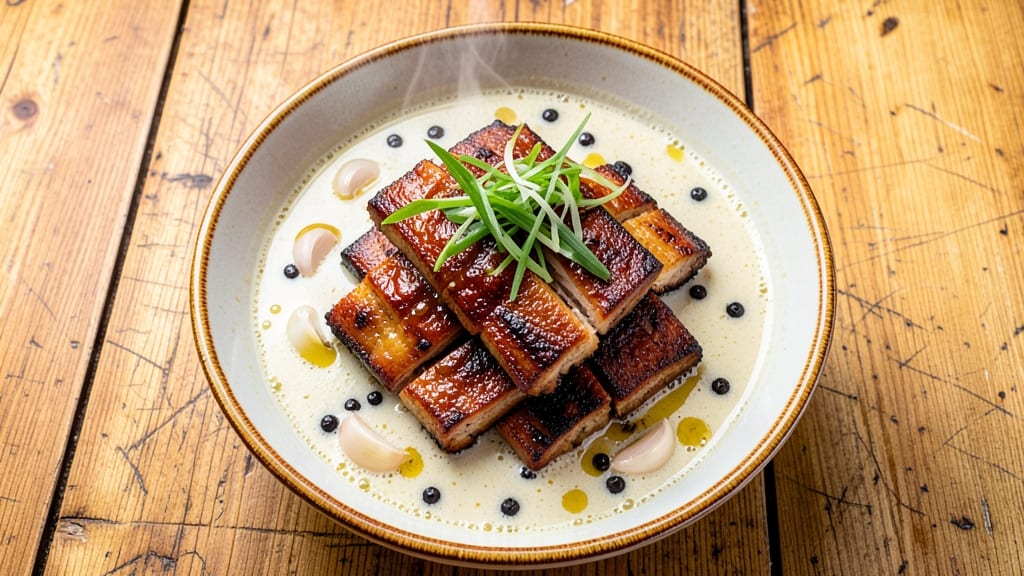
This Filipino-style pork ribs soup brings the comforting flavors of home to your table, where tender ribs simmer in a rich, smoky adobo-braised broth infused with coconut milk.
I first tasted this dish in Manila, where my grandmother would slow-cook ribs until they fell apart—now I’ve perfected the technique for your kitchen. The secret lies in the layered flavors: tangy vinegar, sweet coconut, and aromatic spices create a broth that’s both hearty and delicate.
The ribs start with a dry rub of garlic, black pepper, and soy sauce, then braise in a mix of vinegar, soy sauce, and coconut milk until fork-tender. This method ensures deep flavor without overpowering the meat, while the coconut milk adds a subtle creaminess that balances the adobo’s acidity.
Unlike other pork soups, this one builds flavor gradually, rewarding patience with every spoonful.
By the time you’re done, you’ll have a steaming bowl of soup where the ribs are so tender they melt in your mouth, floating in a broth that’s savory, slightly sweet, and just a touch smoky.
The aroma alone—garlicky, vinegary, with hints of coconut—will fill your kitchen, making it impossible to resist. Serve with steamed rice and a sprinkle of fresh cilantro for the full experience.
This recipe is designed for slow, flavorful cooking—no shortcuts, just deep satisfaction. The result is a dish that feels like a hug in a bowl, perfect for chilly evenings or family gatherings. Let’s get started on creating something truly special.
Ingredients for pork ribs soup recipe filipino style
Pantry staples meet Filipino flavors in this comforting bowl of smoky ribs and coconut broth.
| Ingredient | Amount | Notes |
|---|---|---|
| Pork Baby Back Ribs 🥩 | 2 lb | Bone-in, meaty cuts preferred |
| Coconut Milk 🥥 | 1 can (13.5 oz) | Full-fat for creaminess |
| White Vinegar 💧 | ½ cup | Distilled or cane vinegar |
| Soy Sauce 🥄 | ¼ cup | Light or regular, not low-sodium |
| Garlic Cloves 🧄 | 8 cloves | Minced, fresh preferred |
| Black Peppercorns 🌶️ | 1 tsp | Freshly cracked preferred |
| Bay Leaves 🍃 | 2 whole | Dried, standard size |
| Onion 🧅 | 1 whole | Yellow or white, chopped |
| Fresh Cilantro 🌿 | ¼ cup | Chopped, for garnish |
| Salt 🧂 | 1 ½ tsp | Kosher or sea salt |
| Water 💧 | 4 cups | Filtered or bottled preferred |
| Brown Sugar 🍚 | 1 tbsp | Light or dark, packed |
| Olive Oil 🫒 | 2 tbsp | For rib coating |
The ribs are everything here. Baby back ribs stay tender but hold their shape—St. Louis style works too, but they’ll fall apart faster. Look for cuts with good meat-to-bone ratio. Trader Joe’s or Costco usually have the best deals on fresh ribs. If you can’t find baby backs, spare ribs work in a pinch, but trim excess fat. The secret to great ribs starts with a dry rub: mix the olive oil, soy sauce, garlic, black pepper, and salt directly on the meat before braising. Let them sit for at least 30 minutes—this helps the marinade penetrate.
No coconut milk? Full-fat evaporated milk is a decent substitute, but the flavor won’t be quite the same. Running short on vinegar? Apple cider vinegar works, but it’ll add a fruity note. The brown sugar balances the acidity—white sugar works, but it dissolves faster. Fresh garlic is non-negotiable here; pre-minced garlic loses its punch. For the bay leaves, California brand is my go-to—they’re consistent and widely available. If you’re using dried herbs, double the amount. The broth builds flavor over time, so don’t rush it. If you’re worried about the ribs drying out, add 2 extra cups of water halfway through cooking.
This soup tastes even better the next day as the flavors meld. Store leftovers in an airtight container in the fridge for up to 4 days. The broth freezes beautifully for 3 months, but the ribs get a little rubbery after thawing—best to reheat just the broth and add fresh ribs. For meal prep, I like to portion the broth separately so I can adjust consistency later. The cilantro stays fresh for 5 days if you wrap it in damp paper towels and store it in a plastic bag. Garnish with extra cilantro right before serving—it brightens up the whole dish.
Why You'll Love This Recipe
- No-Chop Needed: Honestly, I swear by this—just toss those baby back ribs in whole, no need to trim or separate. The vinegar and garlic do all the tenderizing while you prep the rest, so you’re basically hands-off for 20 minutes.
- Creamy-Tangy Magic: That coconut milk and white vinegar combo? It’s what makes this soup ridiculously good—the richness smooths out the ribs while the vinegar keeps it bright, like a hug in a bowl. (Yes, even on a Tuesday night.)
- Leftovers That Beg for More: Between us, this soup only gets better the next day. The flavors meld into something deeper, and reheating it? Just add a splash of water and a minute of simmering. My kids ask for it for lunch without me packing it.
- Budget-Friendly Feast: Pork ribs on sale? This recipe stretches them into three meals—soup for dinner, fried rice for lunch, and extra for guests. Soy sauce and vinegar are pantry staples, so you’re not breaking the bank for a dish that feels fancy.
Step-by-step instructions for Filipino-style pork ribs soup
Here's how to create a rich, smoky broth with tender ribs—just like Filipino home cooks do.
Sear the Ribs for Deep Flavor
Pat the 2 lb pork baby back ribs dry with paper towels. Heat the 2 tablespoons olive oil in a large pot over medium-high heat until shimmering. Working in batches if needed, sear the ribs on all sides for about 3-4 minutes per side until they develop a deep golden-brown crust. This step builds the foundation of flavor—don't skip it!
As the ribs sear, you'll notice the fat rendering out and the meat developing a rich color. This caramelization creates layers of flavor that'll infuse into the broth. Once all sides are browned, remove the ribs and set them aside on a plate.
Build the Savory Base
In the same pot, add the chopped 1 whole onion and minced 8 cloves garlic cloves. Cook for 3-4 minutes until the onions soften and turn translucent. Stir in the 1 teaspoon black peppercorns and 2 whole bay leaves, cooking for another 30 seconds to release their aromatic oils.
Here's where the magic happens: Pour in the 0.5 cup white vinegar and 0.25 cup soy sauce. Let this mixture bubble away for 2 minutes, allowing the vinegar to mellow and the soy sauce to deepen in flavor. The vinegar will create that signature tangy note while the soy sauce adds umami richness.
Simmer the Ribs in Coconut Broth
Return the seared ribs to the pot. Add the 4 cups water and 1 tablespoon brown sugar, stirring to combine. Bring everything to a gentle boil, then reduce heat to medium-low. Cover partially and let it simmer for 1 hour 15 minutes, or until the ribs are fork-tender and easily pull away from the bone.
During this time, you'll notice the broth develop a beautiful amber color and rich aroma. The coconut milk will be added later—this initial simmer creates a balanced broth before we introduce the creaminess. Check occasionally and add a splash of water if the broth reduces too much.
Finish with Creamy Coconut Milk
After the ribs are tender, carefully remove them from the pot and set them aside. Stir in the 1 can (13.5 oz) coconut milk and the remaining 1.5 teaspoons salt. Bring the broth to a gentle simmer and let it cook uncovered for 10 minutes to allow the coconut milk to fully incorporate and create a velvety texture.
The coconut milk will transform the broth from a simple savory base to a luxurious, creamy soup. You'll notice the broth thicken slightly and develop a beautiful sheen. This is the moment when all the flavors come together—smoky, tangy, sweet, and rich.
Serve with Fresh Garnish
Return the ribs to the pot and let everything heat through together for 5 minutes. Taste and adjust seasoning if needed—you might want to add a splash more soy sauce or a pinch of salt to balance the flavors. Ladle the soup into bowls, being sure to include plenty of that flavorful broth.
Garnish each serving with the chopped 0.25 cup fresh cilantro just before serving. The bright, fresh cilantro provides a beautiful contrast to the rich, smoky soup. Serve immediately while the ribs are still warm and the broth maintains its perfect consistency.
Pro Tips For Making Pork Ribs Soup Recipe Filipino Style
- Sear the Ribs First: Hit those ribs with a screaming-hot pan for 3-4 minutes per side before simmering—this isn’t just for looks. I learned the hard way that skipping this step means the coconut milk just coats the meat instead of melding into it. The Maillard reaction here makes the difference between "meh" and "filipino comfort food."
- Blend the Garlic: Skip the minced garlic—sauté whole cloves until golden, then crush them in the pot. I was skeptical until I tried it: the flavor is deeper, and you avoid that bitter aftertaste from overcooking. Pro move for a richer, more complex base.
- Simmer Low and Long: Once the ribs hit the pot, keep the heat at a gentle simmer—no boiling, no rushing. I used to crank the heat and end up with rubbery meat and broken bones. Two hours minimum, covered, lets the collagen turn to gelatin and the flavors marry properly.
- Vinegar Last: Add the white vinegar in the final 10 minutes, not at the start. I used to toss it in early, and the acid would fight the coconut milk, making the broth taste sharp instead of bright. Let the ribs tenderize first—then hit ‘em with that tang for balance.
Pro cooking tips for great pork ribs soup recipe filipino style
Filipino Adobo Technique
The key to authentic flavor lies in the adobo marinade—a balance of vinegar, soy sauce, and brown sugar. I always let the ribs sit in a dry rub of minced garlic, black pepper, and soy sauce for 30 minutes before searing.
This step creates a flavor bomb that penetrates the meat. The vinegar in the broth should be distilled or cane vinegar—apple cider vinegar adds unwanted sweetness. Remember, the broth builds flavor over time, so don’t rush the simmer. 💫
Coconut Milk Timing
Adding coconut milk too early can make the broth greasy. I wait until the ribs are fork-tender (1 hour 15 minutes) before stirring it in. This ensures the broth has developed its base flavors before the creaminess comes in.
For extra richness, I sometimes add ½ cup more coconut milk at the end. Always use full-fat coconut milk—it creates that luxurious texture we love in Filipino soups.
Broth Consistency Secrets
If your broth is too thin, simmer uncovered for 5-10 extra minutes to reduce it. For thicker broth, blend ½ cup of the broth with the ribs and return it to the pot.
I’ve found that adding 1 extra bay leaf helps deepen the flavor without altering the texture. The ideal consistency should coat the back of a spoon but still be ladle-friendly. 🥄
Rib Tenderizing Hacks
For extra tender ribs, I sometimes add 1-inch ginger slices during the initial simmer. The ginger adds warmth and helps break down the meat fibers.
Another trick: If your ribs aren’t tender enough after 1 hour 15 minutes, cover the pot and let them steam for 15 more minutes. Never boil vigorously—gentle simmering prevents the meat from drying out.
Garnish Like a Pro
Fresh cilantro isn’t just for looks—it brightens the dish with its citrusy notes. I like to chop it just before serving so it stays vibrant. For an extra touch, add 1 teaspoon toasted sesame seeds or thinly sliced green onions.
These garnishes add texture and visual appeal, making your soup look as good as it tastes. 🌿
Nutrition facts
Frequently asked questions
Can I use spare ribs instead of baby back ribs for this recipe?
Yes, but you'll need to adjust the cooking time. Spare ribs have more connective tissue, so they'll take about 15-20 minutes longer to become tender. Trim any excess fat first, as it can make the broth greasy. For extra flavor, add 1-inch ginger slices during the initial simmer—they'll help break down the tougher meat fibers.
What can I do if my broth turns out too thin?
Simmer the soup uncovered for 5-10 extra minutes to reduce it naturally. For a quicker fix, blend ½ cup of the broth with the ribs and return it to the pot. This creates a thicker, more concentrated flavor. If you prefer a creamier texture, stir in 2 tablespoons of cornstarch mixed with 1 tablespoon water and simmer for 2 minutes until thickened.
Is it okay to substitute coconut milk with something else?
You can use full-fat evaporated milk as a substitute, but the flavor won't be identical. For a closer match, mix ½ cup evaporated milk with ½ cup water to mimic coconut milk's creaminess. Avoid low-fat options—they won't provide the same rich texture. If you're avoiding dairy, coconut cream (thicker than coconut milk) works well, though it's more expensive.
How do I know when the ribs are fully cooked?
The ribs are done when they're fork-tender and pull away from the bone easily. Insert a fork between the bones—if it slides in with minimal resistance, they're ready. For baby back ribs, this should take about 1 hour 15 minutes of simmering. If using spare ribs, check at 1 hour 30 minutes. The meat should be soft enough to shred with a fork but still hold its shape.
Can I make this soup in an Instant Pot?
Yes! Sear the ribs first in a separate pan, then transfer them to the Instant Pot with all ingredients except coconut milk. Cook on High Pressure for 35 minutes, then quick-release. Add coconut milk and simmer on Low Heat for 10 minutes to avoid curdling. The pressure cooker reduces cooking time but may slightly alter the broth's depth of flavor. For best results, use the natural release setting after pressure builds.