
Soups & Stews
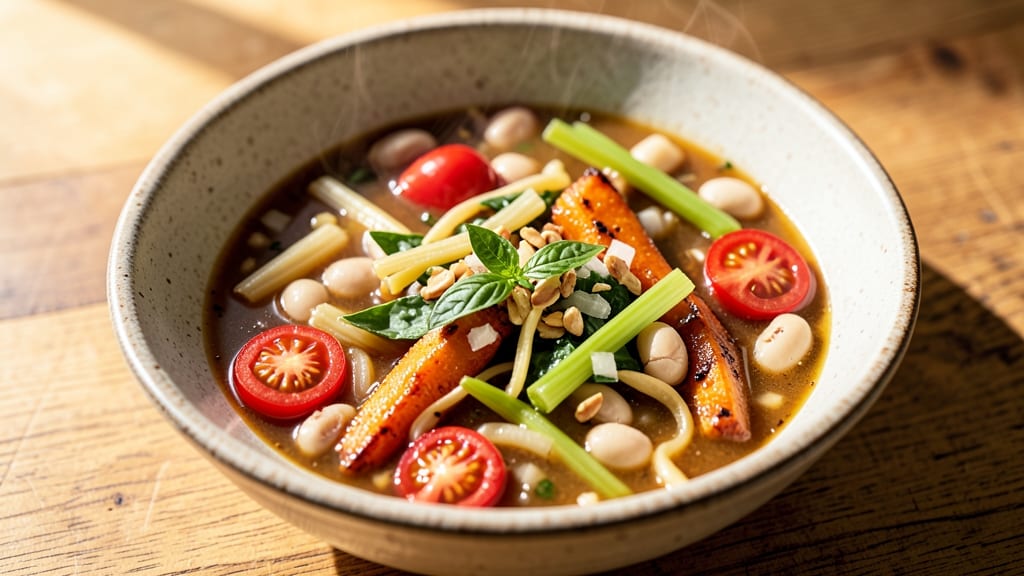
This amazing minestrone soup transforms humble ingredients into a hearty, flavor-packed one-pot meal that tastes like a taste of Italy. ✨ The secret lies in layering vegetables and beans with aromatic herbs, letting their flavors meld into a rich, comforting broth that’s perfect for chilly days or busy weeknights.
What makes this recipe special is its balance of tradition and convenience—you’ll use classic Italian techniques like sautéing onions and garlic as the flavor base, but modern shortcuts like pre-cut veggies and canned beans keep prep under 30 minutes.
The result? A soup that’s deeply satisfying, packed with texture, and customizable to your favorite veggies.
The beauty of minestrone is in its versatility—each spoonful delivers tender beans, al dente pasta, and a medley of seasonal vegetables, all swimming in a savory broth that’s rich without being heavy.
The best part? It’s easy to double for leftovers, making it a meal-prep favorite that only gets better the next day.
Serve it with crusty bread for dipping or a sprinkle of fresh parsley for brightness. Here’s how to make it—simple, hearty, and impossible to resist.
Ingredients for amazing minestrone soup
Pantry staples meet fresh garden veggies for this hearty Italian-inspired soup.
| Ingredient | Amount | Notes |
|---|---|---|
| Vegetable Broth 💧 | 6 cups | Low-sodium preferred |
| Ditalini Pasta 🍝 | 1 ½ cups | Uncooked, small shells |
| Onion 🧅 | 1 medium | Yellow or white, diced |
| Garlic Cloves 🧄 | 4 cloves | Fresh, minced |
| Carrots 🥕 | 2 medium | Peeled, sliced into rounds |
| Celery Stalks 🧅 | 2 stalks | Diced, fresh or frozen |
| Canned Cannellini Beans 🌿 | 1 can | 15 oz, drained and rinsed |
| Canned Kidney Beans 🌿 | 1 can | 15 oz, drained and rinsed |
| Zucchini 🥒 | 1 medium | Sliced into half-moons |
| Tomato Paste 🍅 | 2 tbsp | Smooth, not chunky |
| Canned Diced Tomatoes 🍅 | 1 can | 14.5 oz, fire-roasted |
| Fresh Parsley 🌿 | ¼ cup | Chopped, for garnish |
| Fresh Basil 🌿 | ¼ cup | Chopped, optional |
| Olive Oil 🫒 | 2 tbsp | Extra-virgin preferred |
| Salt 🧂 | 1 ½ tsp | Adjust to taste |
| Black Pepper 🌶️ | ½ tsp | Freshly ground |
| Dried Oregano 🍃 | 1 tsp | Italian variety |
The vegetables are the soul of minestrone, so grab whatever’s fresh at the market—Trader Joe’s or Whole Foods have great pre-cut options if you're short on time. For beans, I always go for canned (like Bertolli or Mutti) because they’re pre-cooked and save time. The carrots and celery should be crisp, not rubbery—check the cut ends for freshness. If you’re using frozen veggies, no need to thaw them; just toss them in raw. The zucchini? Pick one that’s firm but not too big—smaller ones are sweeter.
No ditalini pasta? Small shells or orzo work just as well—just check the package for cooking time. Short on canned tomatoes? Fresh tomatoes blended into sauce add brightness, but fire-roasted canned is a solid shortcut. The tomato paste can be swapped for sun-dried tomato paste if you want extra depth. Fresh herbs? Dried oregano at half the amount works in a pinch, but fresh parsley and basil are worth it for that bright finish. Need to skip a veggie? Swap for spinach or kale—they wilt down beautifully.
This soup tastes even better the next day—make a double batch and freeze half for later. Store leftovers in the fridge for 4-5 days or freeze for up to 3 months. I like to portion it into containers with a splash of broth so it reheats perfectly. For extra richness, stir in a spoonful of vegetable broth when reheating. And if you’ve got crusty bread on hand, it’s the perfect pairing—dip those slices right in!
Why You'll Love This Recipe
- One-Pot Magic: I swear by the simplicity—just toss ditalini, onions, and carrots into simmering broth with a few garlic cloves, and 25 minutes later, you’ve got soup. No fancy steps, no last-minute grocery runs. The pasta cooks right in the pot, so no extra bowls or strainers to clean.
- Garlic-Glazed Goodness: That first whiff of garlic softening into the broth? Pure satisfaction. The carrots caramelize just enough to add natural sweetness, while the ditalini soaks up all the savory broth. It’s the kind of flavor that makes you want to linger at the stove a little longer.
- Lunchbox Hero: Between us, this is my go-to for meal prep. Pack it warm or cold—it reheats beautifully—and the ditalini holds up perfectly. My kids actually eat their veggies when they’re hidden in here (shhh, don’t tell them it’s healthy).
- Budget-Friendly Feast: Vegetable broth and pantry staples make this a wallet-friendly staple. A single batch stretches for three lunches, and the ingredients cost next to nothing. Honestly, it’s the kind of soup that makes grocery day feel like a win.
Step-by-step instructions for Italian garden harvest minestrone
Let's create a hearty, flavor-packed minestrone that captures the essence of Italian countryside cooking.
🍳 Step 1: Sauté the Vegetable Base
Heat the 2 tablespoons olive oil in a large pot over medium heat until shimmering. Add the diced 1 medium onion, 2 medium carrots, and 2 stalks celery stalks. Cook for 5-6 minutes, stirring occasionally, until the vegetables soften and the onion becomes translucent.
Here's the thing—don't rush this step. You want the vegetables to develop a gentle sweetness and release their natural juices. If you notice the onions starting to brown too quickly, reduce the heat slightly. This aromatic base is the flavor foundation of your soup.
🍳 Step 2: Add Aromatics and Tomato Base
Push the sautéed vegetables to one side of the pot and add the 4 cloves minced garlic cloves to the empty space. Cook for 30 seconds until fragrant—you'll smell that wonderful garlic aroma. Stir everything together, then add the 2 tablespoons tomato paste and cook for another 1 minute.
This is where the magic happens. The tomato paste will deepen the flavor and give your soup that classic Italian richness. Stir constantly to prevent the paste from burning, which would make your soup taste bitter. You're building layers of flavor here that will carry through the entire cooking process.
🥘 Step 3: Build the Soup Foundation
Pour in the 6 cups vegetable broth and bring the mixture to a gentle boil. Add the 1 can diced tomatoes (with juices), 1.5 teaspoons salt, 0.5 teaspoon black pepper, and 1 teaspoon dried oregano. Reduce heat to medium-low and let it simmer for 10 minutes.
While it simmers, watch for small bubbles breaking the surface—this tells you the soup is cooking gently. This initial simmer allows all the flavors to meld together. If you notice the soup reducing too quickly, you can add a splash of water, but try to maintain that gentle simmer for the best texture.
🥘 Step 4: Add Beans and Zucchini
Add the drained 1 can cannellini beans and 1 can kidney beans to the pot. Stir well to distribute them evenly. Then add the sliced 1 medium zucchini and the 1.5 cups ditalini pasta. Let the soup return to a gentle simmer and cook for 8-10 minutes, stirring occasionally.
I know it might seem counterintuitive to add the pasta at this stage, but this method ensures the pasta absorbs all those wonderful bean and vegetable flavors. You'll see the pasta start to float to the surface as it cooks—this is your signal that it's almost done. The zucchini will soften but still maintain a pleasant texture.
🍽️ Step 5: Finish and Garnish
Taste the soup and adjust the seasoning if needed. You might need a little more salt or pepper to balance all the flavors. Remove from heat and let it sit for 5 minutes to allow the flavors to meld together.
Before serving, stir in the 0.25 cup chopped fresh parsley and 0.25 cup chopped fresh basil (if using). These herbs add a fresh, bright note that cuts through the richness of the soup. Ladle into bowls and serve immediately with crusty bread for dipping—this is where you'll really taste the amazing results of your effort.
Pro Tips For Making Amazing Minestrone Soup
- Sweat the Onion First: I learned this the hard way—minestrone soup tastes flat when you just chop and toss onions into the pot. Instead, cook them over medium-low heat for 8-10 minutes until they’re soft, translucent, and just starting to brown. This builds flavor that no raw onion can match, especially when paired with garlic later.
- Pre-Cook the Carrots: Skip the mushy carrots by parboiling them for 3-4 minutes before adding to the soup. They’ll hold their shape better and release sweetness into the broth without turning to mush. (Yes, even if you’re impatient like me—trust the process.)
- Salt the Pasta Water Hard: If you’re adding ditalini directly to the soup, at least salt the pasta water aggressively first. Under-seasoned pasta ruins the whole dish, and minestrone needs that salty backbone to balance the vegetables. I aim for a taste like the sea—no shame in tasting it.
- Add Pasta Last, Then Simmer: Tossing in ditalini too early means you’re either waiting forever for it to cook or ending up with gluey pasta. Instead, add it just 2-3 minutes before serving and let it finish in the hot broth. This keeps it al dente and lets you control the texture perfectly.
Serving suggestions for this recipe
Bread Pairings
Nothing beats minestrone with a warm, crusty loaf for dipping. I love using a freshly baked ciabatta or sourdough—their open crumbs soak up the broth beautifully. For extra authenticity, toast slices in the oven at 375°F for 5-7 minutes until golden and crisp. 🥖
Garnish Ideas
Fresh herbs elevate this soup instantly. Tuck a sprig of parsley or basil into each bowl before serving, or sprinkle with grated Parmesan cheese for a salty contrast. For a pop of color, add red pepper flakes or a drizzle of extra-virgin olive oil right before eating.
Cheese Toppings
Add a melting touch with shredded mozzarella or Pecorino Romano—these melt beautifully when stirred in during the final 5 minutes of simmering. For a vegan option, try nutritional yeast for a cheesy flavor without dairy. Just 1-2 tablespoons per bowl does the trick!
Side Dish Pairings
Serve alongside garlic roasted potatoes or a simple arugula salad with lemon vinaigrette. The peppery greens cut through the soup’s richness, while the potatoes add satisfying heartiness. For a lighter option, steamed asparagus with a squeeze of lemon works perfectly.
Wine & Drink Pairings
An Italian white wine like Pinot Grigio or Vermentino complements the soup’s bright acidity. For beer lovers, a crisp Italian lager or Pilsner balances the flavors without overpowering. Sparkling water with lemon is a refreshing non-alcoholic option that cleanses the palate between bites. 🍷
Make-Ahead Serving
This soup tastes even better the next day! Store leftovers in an airtight container in the fridge for up to 4 days. When reheating, add 2-3 tablespoons of water or broth to prevent thickening.
Serve with warm crusty bread and a side of olive oil for dipping—it’s a cozy meal that feels like a hug. ❄️
Nutrition facts
Frequently asked questions
Can I make minestrone soup without canned beans?
Use 1.5 cups cooked white beans (like cannellini or great northern) or 1 cup each of dried kidney beans and chickpeas. Soak them overnight, then simmer for 1-1.5 hours until tender. For faster cooking, use a pressure cooker (20 minutes on high pressure). The texture will be slightly firmer but still delicious.
How do I make this soup vegan?
Skip the Parmesan and use nutritional yeast for a cheesy flavor. Ensure your vegetable broth is vegan (check labels), and use olive oil instead of butter. For extra richness, stir in 1 tablespoon vegan butter at the end. All other ingredients in this recipe are naturally vegan-friendly!
Why does my minestrone taste bland?
Minestrone needs time for flavors to develop—simmer longer (30-45 minutes) on low heat. Boost flavor by adding 1 bay leaf during cooking or a splash of red wine when sautéing. Fresh herbs (like basil) and a pinch of red pepper flakes add brightness. Taste as you go and adjust salt gradually.
Can I use frozen vegetables instead of fresh?
Yes! Frozen veggies work perfectly—just toss them in raw (no need to thaw). They’ll soften during simmering. For best results, use a mix of frozen carrots, celery, and peas. Avoid overcooking—they should stay tender-crisp. Frozen spinach or kale adds nutrients and wilt beautifully when added in the last 5 minutes.
How do I adjust the texture if it's too thick?
Stir in ½ cup warm water or broth gradually until creamy. For a thinner consistency, add it earlier in cooking. If the soup is too thin, simmer uncovered for 5-10 minutes to reduce. The ideal texture should coat a spoon lightly but still be ladle-friendly. Adjust while warm for best results.