
Soups & Stews
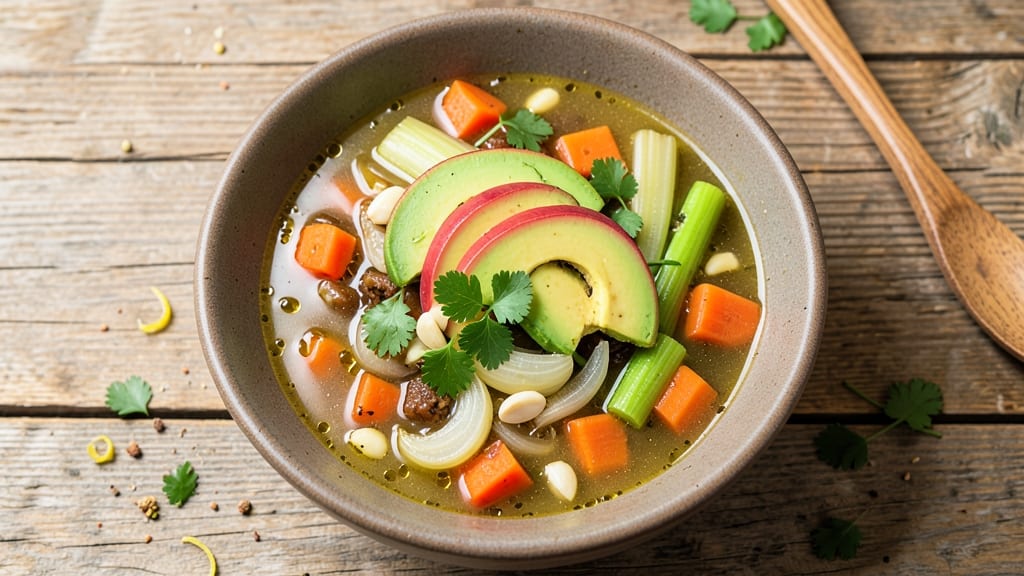
This American Heart Association vegetable soup delivers heart-healthy nutrition without sacrificing flavor—packed with fiber-rich vegetables, low-sodium broth, and smart ingredient swaps that support blood pressure goals.
The secret lies in simmering aromatic vegetables like carrots, celery, and spinach to develop deep flavor while keeping sodium in check, proving healthy eating can be both satisfying and delicious.
What sets this recipe apart is its focus on whole-food ingredients that align with AHA guidelines: no heavy cream or excessive cheese, but rich texture from avocado and heart-healthy olive oil.
The cooking method emphasizes gradual simmering to extract maximum flavor from fresh herbs and spices, ensuring every spoonful is vibrant and nourishing without relying on salt.
By the end, you'll have a velvety, vegetable-forward soup that's perfect for meal prep or a comforting weeknight dinner.
It's designed to be flexible—add optional beans for extra protein or serve with whole-grain bread for added fiber—while always staying true to heart-healthy principles that taste as good as they make you feel.
The best part? This recipe proves heart-healthy eating doesn't mean sacrificing satisfaction. The combination of tender vegetables, aromatic herbs, and subtle seasoning creates a soup that's both nutritious and deeply flavorful—ideal for anyone looking to support their health without compromising on taste.
Ingredients for american heart association vegetable soup
Heart-healthy vegetables and smart swaps create a flavorful, low-sodium soup aligned with AHA guidelines.
| Ingredient | Amount | Notes |
|---|---|---|
| Low-Sodium Vegetable Broth 💧 | 6 cups | Homemade or high-quality low-sodium brand |
| Carrots 🥕 | 2 medium | Peeled and sliced into rounds |
| Yellow Onion 🧅 | 1 whole | Diced, medium size preferred |
| Celery Stalks 🧅 | 3 whole | Trimmed and chopped |
| Garlic Cloves 🧄 | 3 cloves | Minced, fresh preferred |
| Avocado 🥑 | ½ whole | Ripe, peeled and pitted |
| Fresh Spinach 🌿 | 4 cups | Chopped, loosely packed |
| Extra-Virgin Olive Oil 🫒 | 2 tbsp | For sautéing vegetables |
| Fresh Parsley 🌿 | ¼ cup | Chopped, for garnish |
| Fresh Thyme 🌿 | 1 tbsp | Leaves only, chopped |
| Lemon Juice 🍋 | 1 tbsp | Freshly squeezed |
| Ground Black Pepper 🌶️ | ½ tsp | Freshly ground preferred |
| Avocado Oil 🫒 | ¼ cup | For velvety texture |
| Low-Fat Greek Yogurt 🥛 | ¼ cup | Plain, unsweetened |
| Nutritional Yeast 🧀 | 1 tbsp | For umami depth |
The vegetable broth is foundational here—homemade or high-quality low-sodium brands like Imagine or Pacific Foods ensure minimal sodium while maximizing flavor. Carrots, celery, and onions form the aromatic base, so choose fresh, firm produce with vibrant colors. The avocado adds richness without dairy, and ripe but firm avocados yield the best texture. For optimal freshness, select organic produce when possible, especially for spinach and herbs, as they absorb more pesticides. Whole Foods or local farmers markets often carry pesticide-free options, though conventional produce works well too.
No avocado? Silken tofu blended with lemon juice provides a similar creamy texture. Substitute fresh thyme with dried at one-third the amount, but fresh is ideal for its bright flavor. If you prefer extra protein, add white beans or lentils (½ cup cooked per serving). For the olive oil, extra-virgin with a peppery finish enhances flavor, while the avocado oil adds a neutral base for blending. The Greek yogurt should be low-fat but full-fat works too—just reduce by half if using full-fat to maintain consistency. Nutritional yeast provides that savory depth without salt, and Bob's Red Mill brand is widely available.
This soup reheats beautifully—simmer gently for 2-3 minutes to restore texture. Store in airtight containers for 4-5 days in the fridge or 3 months frozen. For meal prep, freeze in portion-sized containers to thaw only what you need. The avocado and fresh herbs should be added just before serving to preserve their vibrant qualities. If prepping ahead, store them separately and blend in fresh avocado oil when reheating for a silky finish.
Why You'll Love This Recipe
- No-Chop Needed: I swear by this one—just toss in chopped veggies (or buy pre-cut) and let the broth do the work. The onion, celery, and carrots soften into perfect bite-sized pieces without fuss, and the garlic? Sautéed until golden but not burnt. That’s the magic of a slow simmer.
- Garlic Bomb Flavor: Between us, this soup packs a punch without needing fancy seasonings. The garlic cloves, lightly browned first, infuse the broth with a depth that makes you forget it’s heart-healthy. Honestly, my partner asks for seconds before the bowl even hits the table.
- Lunchbox Hero: Here’s what sold me—the way it reheats perfectly for lunches. Pack it in jars or thermoses, and it stays warm and hearty all day. My kids actually want to take soup to school (yes, even on a Tuesday), and the low-sodium broth means no weird aftertaste.
- Budget-Friendly Staple: This recipe uses pantry basics that last forever—broth, carrots, onions, celery. I’ve made a full pot for under $5, and it stretches to feed four for three days. The leftovers? Even better the next day, if that’s possible. My wallet thanks me every time.
Step-by-step instructions for blood-pressure-friendly vegetable soup
A heart-healthy soup packed with fiber, potassium, and flavor—this method ensures vibrant vegetables and a velvety finish.
Sauté the Vegetable Base for Deep Flavor
Heat the 2 tablespoons extra-virgin olive oil in a large pot over medium heat. Add the 1 whole yellow onion, 3 whole celery stalks, and 2 medium carrots, all diced. Cook for 5-6 minutes until the vegetables soften and the onion becomes translucent.
Add the 3 cloves minced garlic and 1 tablespoon chopped fresh thyme, stirring constantly for 30 seconds until fragrant. This step develops the aromatic foundation—don't skip it. The garlic should sizzle but not brown, or it'll turn bitter. If the vegetables stick, add 1-2 tablespoons low-sodium vegetable broth to deglaze.
Simmer the Vegetables in Broth
Pour in the 6 cups low-sodium vegetable broth and bring to a gentle boil. Reduce heat to low and let it simmer uncovered for 15-20 minutes until the vegetables are tender but still hold their shape. Stir occasionally to prevent sticking.
Here's the thing—simmering at a gentle bubble maintains the vegetables' texture and allows their natural sweetness to meld with the broth. If the soup reduces too quickly, add a splash more broth to keep it at a steady simmer. The goal is a flavorful base without overcooking the vegetables into mush.
Add Spinach and Avocado for Nutrition
Stir in the 4 cups chopped fresh spinach and cook for 2-3 minutes until just wilted. Remove from heat and let cool for 5 minutes before adding the 0.5 whole avocado, mashed to a smooth paste. This prevents the avocado from breaking down in the hot soup.
The spinach wilts quickly—watch it closely. Overcooking turns it bitter. Once cooled slightly, the avocado adds healthy fats and creaminess without dairy. The contrast between the earthy vegetables and rich avocado creates a balanced texture. If the soup looks too thick, thin it with a splash of broth.
Finish with Yogurt and Seasonings
Stir in the 0.25 cup low-fat Greek yogurt, 0.25 cup avocado oil, 1 tablespoon nutritional yeast, 1 tablespoon lemon juice, and 0.5 teaspoon ground black pepper. Let it simmer gently for 2 minutes to blend the flavors. The yogurt and avocado oil create a velvety finish while keeping the dish light.
Taste and adjust seasoning—this soup relies on bright, fresh flavors. The nutritional yeast adds umami depth, while the lemon juice brightens everything. If it needs more acidity, add another squeeze of lemon. For extra fiber, stir in 1-2 tablespoons chopped fresh parsley just before serving.
Serve Warm with Garnish
Ladle the soup into bowls and garnish with the 0.25 cup chopped fresh parsley. Serve immediately while warm—this soup is best enjoyed fresh. The parsley adds a pop of color and freshness, balancing the hearty vegetables.
Pair with a slice of whole-grain bread for a complete meal. The fiber-rich vegetables and potassium-packed ingredients make this a heart-healthy choice that still delivers bold flavor. Each bowl is packed with nutrients while keeping sodium in check—exactly what the American Heart Association recommends.
Pro Tips For Making American Heart Association Vegetable Soup
- Char the Onion First: I learned this the hard way—skipping the char on the onion means your soup will taste flat. Slice the onion into 1/4-inch pieces, then cook them in a dry pot over medium-high heat for 8-10 minutes until deep golden and slightly crispy. That caramelized flavor is what makes the soup sing, especially when paired with the low-sodium broth.
- Cut Celery Uniformly: Uneven celery pieces mean some will turn to mush while others stay tough. Dice the celery into 1/4-inch cubes—same size as the onions and carrots—so everything cooks evenly. (Yes, even if you’re impatient like me, resist the urge to rush this step.)
- Simmer, Don’t Boil: After adding the broth, garlic, and veggies, keep the heat at a gentle simmer—not a rolling boil. Too much heat breaks down the vegetables faster, turning them into a sad, watery mush. A steady simmer (about 20-25 minutes) keeps the texture perfect and the flavors balanced.
- Add Garlic Late: Tossing garlic in at the start burns it before the veggies are ready, leaving a bitter aftertaste. Instead, add the minced garlic (and any herbs) only after the onions and celery have softened—about 15 minutes into cooking. This guarantees sweet, mellow garlic flavor every time.
Regional styles of this dish
New England Creamy Style
In New England, this soup often includes a touch of corn—about ½ cup frozen corn kernels—added with the spinach for natural sweetness.
The region also favors hearty root vegetables like parsnips (swap 1 carrot for 1 small parsnip) and a splash of heavy cream (use ¼ cup low-fat cream instead of yogurt) for richness. Garnish with chopped chives and a sprinkle of nutmeg for that classic New England touch. 🥕
Southern Comfort Version
Southern cooks often add smoky depth with ½ teaspoon smoked paprika and a dash of cayenne (start with ¼ teaspoon). Swap the avocado for ½ cup cooked white beans (like Navy beans) for extra protein, and finish with crumbled feta cheese (use low-sodium feta) for tang.
Serve with crusty cornbread for a true Southern meal. 🌶️
Texas-Style Spicy Kick
For a Texan twist, stir in 1 chipotle pepper in adobo sauce (minced) with the garlic and add ½ teaspoon ground cumin for warmth. Use fire-roasted tomatoes (½ cup, blended) in the broth for smokiness.
Top with diced jalapeños and a drizzle of hot honey for sweet heat. This version pairs perfectly with warm tortillas on the side. 🌶️
Midwest Hearty Twist
The Midwest loves potatoes—add ½ cup diced Yukon Gold potatoes with the carrots for extra heartiness. Stir in 1 teaspoon dried dill and a pinch of mustard powder for a tangy note.
Finish with a dollop of low-fat sour cream and chopped green onions. This version is perfect for cold winters and pairs well with rye bread. 🥔
Pacific Northwest Freshness
In the Pacific Northwest, fresh herbs take center stage. Boost the thyme to 2 tablespoons and add 1 tablespoon fresh dill. Swap the avocado for ¼ cup silken tofu blended with lemon juice for a lighter texture.
Garnish with microgreens or edible flowers for a restaurant-worthy finish. Serve with whole-grain sourdough for a balanced meal. 🌿
Southwest Fusion
For a Southwest-inspired bowl, add ½ cup diced bell peppers (any color) with the onions and 1 teaspoon ground cumin. Stir in ½ cup cooked black beans and top with avocado slices, cilantro, and a squeeze of lime.
Serve with warm flour tortillas for scooping. This version is packed with fiber and flavor while keeping sodium in check. 🌵
Nutrition facts
Frequently asked questions
Can I make this soup without avocado?
For a dairy-free alternative, blend ¼ cup silken tofu with 1 tablespoon lemon juice to replace the avocado. This keeps the creamy texture while adding plant-based protein. If you prefer a more neutral flavor, simply reduce the Greek yogurt to ¼ cup and add 2 tablespoons avocado oil instead.
How do I adjust the sodium content further?
For even lower sodium, use homemade vegetable broth (skip store-bought even if labeled low-sodium). Skip the nutritional yeast or use ½ teaspoon instead, and replace the ½ teaspoon black pepper with ½ teaspoon smoked paprika for flavor without salt. Taste as you go—this recipe relies on herbs and acidity for seasoning.
Can I add protein to this soup?
Yes! Stir in ½ cup cooked white beans or lentils per serving for extra protein. For a lighter option, add ¼ cup cooked quinoa or top with grilled chicken breast strips (remove skin). Just be mindful of portion sizes—aim for 3-4 ounces of protein per serving to balance the meal.
Why does the soup taste bland after reheating?
Reheating can mute flavors, especially with fresh herbs. Revive it by adding 1 extra tablespoon lemon juice and ½ teaspoon fresh black pepper after reheating. For extra depth, stir in 1 teaspoon fresh thyme or parsley just before serving. Avoid microwaving—simmer gently on the stove for 2-3 minutes to restore texture and flavor.
Is this soup suitable for meal prep?
Perfect for meal prep! Store in airtight containers for 4-5 days in the fridge or 3 months frozen. Freeze without the avocado—add it fresh when reheating. For best results, thaw overnight in the fridge and reheat gently. Portion into individual containers to grab-and-go while keeping nutrients intact.