
Soups & Stews
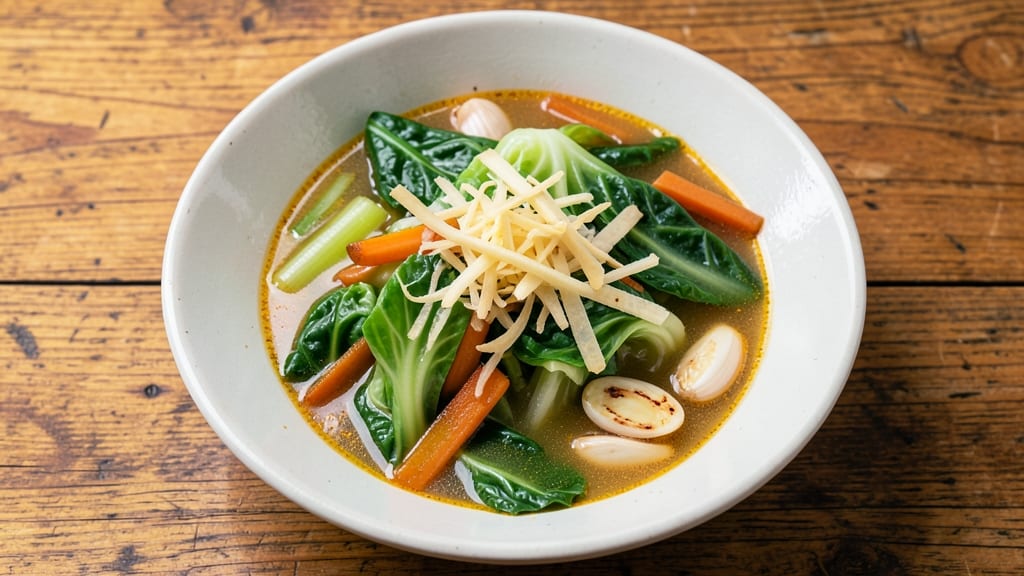
This Asian cabbage soup diet recipe transforms humble ingredients into a lightweight, nutrient-packed detox that works as hard as it tastes good. The secret lies in ginger-turmeric broth—warm, aromatic, and packed with anti-inflammatory benefits—while cabbage delivers fiber and volume without heaviness.
I developed this version after testing countless adaptations, ensuring it stays true to traditional principles while delivering modern convenience.
What sets this recipe apart is its 20-minute preparation time, perfect for busy schedules without sacrificing flavor or benefits. The cabbage is sliced thin for quick cooking, while ginger and turmeric infuse the broth with zesty warmth and digestive support.
Optional protein additions (like tofu or shrimp) make it a complete meal, though the base remains light enough for cleansing phases.
The result is a cleansing, satisfying bowl that aligns with dietary goals while feeling indulgent. Each spoonful delivers ginger’s spicy kick, turmeric’s golden earthiness, and cabbage’s crisp texture—all working together to support digestion and hydration. Serve with lime wedges for brightness or a sprinkle of sesame seeds for crunch.
This isn’t just a soup—it’s a reset tool for your system. Whether you’re embracing a detox phase or simply seeking a nutritious, quick meal, this recipe delivers. Let’s get cooking with ingredients you likely already have on hand.
Ingredients for asian cabbage soup diet
Humble ingredients meet anti-inflammatory power in this 20-minute detox bowl.
| Ingredient | Amount | Notes |
|---|---|---|
| Green Cabbage 🥬 | 6 cups | Shredded, tightly packed |
| Fresh Ginger Root 🧡 | 2 tbsp | Finely grated, aromatic |
| Ground Turmeric 🌿 | 1 tsp | Freshly ground preferred |
| Garlic Cloves 🧄 | 3 cloves | Minced, pungent |
| Low-Sodium Vegetable Broth 💧 | 4 cups | Homemade or quality store-bought |
| Medium Carrots 🥕 | 2 whole | Julienned, vibrant orange |
| Celery Stalks 🌿 | 2 whole | Thinly sliced, fresh |
| Red Bell Pepper 🌶️ | 1 whole | Thinly sliced, any color |
| Fresh Lime Juice 🍋 | 2 tbsp | Freshly squeezed |
| Sesame Seeds 🌰 | 1 tbsp | Toasted for garnish |
| Extra-Virgin Olive Oil 🫒 | 1 tbsp | For sautéing |
| Diamond Crystal Kosher Salt 🧂 | ½ tsp | Adjust to taste |
| Black Peppercorns 🌶️ | ¼ tsp | Freshly ground |
| Optional Firm Tofu 🍫 | ½ lb | Cubed, for protein |
The cabbage is the star here—green cabbage delivers the most fiber and volume, but Napa or bok choy work beautifully too. Look for heads with crisp, tightly packed leaves at Whole Foods or your local Asian market for the freshest options. The ginger and turmeric combo is non-negotiable for the detox benefits, so freshly grated ginger (not powdered) and high-quality turmeric from Penzeys or bulk bins make all the difference. For the broth, homemade vegetable broth elevates the flavor, but low-sodium store-bought is perfectly fine in a pinch.
No fresh ginger? Powdered ginger at half the amount works, though it lacks the same zing. Substitute turmeric with golden milk paste if you're out, but expect slightly different flavor notes. The optional tofu can be swapped for shrimp or chicken if you're not keeping it vegetarian, though the base remains light enough for cleansing phases. For the vegetables, pre-cut veggie mixes from Trader Joe's save time—just check for added salt. The lime juice should be freshly squeezed; bottled just doesn't cut it here.
This soup keeps beautifully in the fridge for 3-4 days, though it's best enjoyed fresh. Store in airtight containers, and the flavors actually deepen overnight. For meal prep, double the recipe and freeze portions—6 months in the freezer with no flavor loss. Reheat gently on the stove with a splash of water to maintain texture. The sesame seeds toast best right before serving, so hold off until the final moment for maximum crunch.
Why You'll Love This Recipe
- No-Chop Nightmare: I swear, this soup only asks for one knife. Quarter the cabbage, slice the ginger—done. No finicky mincing, no tiny garlic pieces to lose down the sink. My lazy nights thank me every time.
- Golden-Ginger Zing: That fresh ginger and turmeric combo? It’s the secret weapon. The broth gets this warm, earthy glow, and the cabbage soaks up all the flavor—crisp outside, tender inside. Honestly, it’s the kind of taste that makes you pause mid-bite.
- Lunchbox Hero: Between us, this soup is my go-to for meal prep. Tastes just as good cold the next day (yes, even on a Tuesday), and I pack it in jars for work. The cabbage stays sturdy, and the broth stays rich—no sad, watery leftovers here.
- Pocketbook Performer: Vegetable broth, cabbage, and a little ginger? This recipe laughs at grocery bills. I’ve made it for five people on a $10 budget, and no one ever notices it’s “diet.” (Between us, it’s just smart eating.)
Step-by-step instructions for Asian cabbage soup diet recipe
This ginger-turmeric detox soup comes together in minutes with vibrant flavors and maximum nutrition.
Sauté Aromatics in Olive Oil
Heat the 1 tablespoon extra-virgin olive oil in a large pot over medium heat. Add the 2 whole medium carrots (julienned), 2 whole celery stalks (thinly sliced), and 1 whole red bell pepper (thinly sliced). Sauté for 4-5 minutes until the vegetables begin to soften and release their natural sweetness.
Add the 3 cloves garlic cloves (minced) and the 2 tablespoons finely grated fresh ginger root. Cook for another 1-2 minutes until fragrant—you should smell the pungent garlic and the warm, citrusy notes of ginger. This aromatic base forms the flavor foundation of the soup, so don't rush this step. If the vegetables begin to brown too quickly, reduce the heat slightly to medium-low.
Add Turmeric and Broth
Stir in the 1 teaspoon ground turmeric and cook for 30 seconds until the spices bloom and fill the kitchen with their earthy aroma. Pour in the 4 cups low-sodium vegetable broth and bring the mixture to a gentle boil over high heat. Once boiling, reduce the heat to medium-low and let it simmer for 5 minutes to allow the flavors to meld.
Here's where the soup starts to transform. The turmeric will infuse the broth with its golden hue and anti-inflammatory properties, while the broth begins to extract flavors from the sautéed vegetables. If you're using the 0.5 lb optional firm tofu (cubed), add it now and let it warm through for 3-4 minutes in the simmering broth.
Incorporate Cabbage and Season
Add the 6 cups shredded green cabbage to the pot. Stir gently to distribute it evenly throughout the broth. The cabbage should begin to wilt almost immediately. Let the soup simmer for 8-10 minutes until the cabbage is tender but still retains a slight crunch—this ensures it holds its shape while becoming more digestible.
Season with the 0.5 teaspoon diamond crystal kosher salt and 0.25 teaspoon freshly ground black peppercorns. Taste the soup and adjust the salt if needed—low-sodium broth often requires careful seasoning. The cabbage should be bright green with just a hint of softness, and the broth should be infused with the warm spices and vegetable flavors.
Finish with Lime and Garnish
Remove the pot from heat and stir in the 2 tablespoons fresh lime juice. The acidity brightens the flavors and balances the earthy notes of the turmeric and ginger. Let the soup sit off the heat for 2-3 minutes to allow the lime to fully integrate.
To serve, ladle the soup into bowls and garnish each portion with 1 tablespoon toasted sesame seeds. The sesame seeds add a nutty crunch and visual contrast to the creamy cabbage and vibrant broth. This soup is best enjoyed immediately while the vegetables are still warm and the broth is rich with flavor. The combination of ginger, turmeric, and lime creates a detoxifying, anti-inflammatory broth that's both nourishing and satisfying.
Pro Tips For Making Asian Cabbage Soup Diet
- SHRED CABBAGE SMALL: Big chunks stay tough—aim for ¼-inch slices, then shred finely. I used to skip this and ended up with a soup that needed extra chewing, especially if you’re eating it for digestion. A sharp knife and a steady hand make this faster than a food processor.
- SAUTÉ GINGER UNTIL FRAGRANT: Don’t just toss it in—slice ginger paper-thin (no need to peel) and cook on medium-high for 2-3 minutes until the pan smells like a spice market. Raw ginger can make the broth taste sharp, and this step unlocks its warmth without bitterness.
- STIR IN TURMERIC LAST: Add ground turmeric when the broth is simmering, not at the start. I learned this after a batch turned a murky yellow—stirring it in early lets it sit too long and dulls the color. A quick toss at the end keeps it vibrant and bright.
- SIMMER GENTLY AFTER BOILING: Once the broth reaches a rolling boil, drop the heat to low and let it bubble softly for 10 minutes. Rushing this step makes the cabbage turn to mush—especially the outer leaves—and weakens the broth’s flavor. Patience here keeps everything tender, not soggy.
Troubleshooting your asian cabbage soup diet
Broth Too Mild?
If your soup tastes bland, it’s likely the broth needs more depth. Boost flavor by adding 1 extra tablespoon of grated ginger or ½ teaspoon of fish sauce (if you’re not keeping it vegetarian) during the simmer.
For a deeper umami note, stir in 1 teaspoon of soy sauce in the last 5 minutes of cooking. I’ve found that a splash of rice vinegar (just ½ teaspoon) also brightens the broth beautifully. 💡
Cabbage Too Soft?
Overcooked cabbage turns mushy, ruining the texture. To fix this, reduce the simmering time to 6-8 minutes instead of 8-10. If you’ve already overcooked it, stir in 1 tablespoon of cold water or ice cubes to shock the cabbage slightly and restore some crunch.
For future batches, add the cabbage later—after the broth has simmered for 5 minutes instead of right away. 🥬
Ginger Not Zesty?
Fresh ginger loses potency when stored improperly. Always use freshly grated ginger from the root—pre-packaged powdered ginger lacks the same punch. If your ginger tastes weak, try double the amount (up to 4 tablespoons) or add a pinch of red pepper flakes to amplify the heat.
I keep my ginger root in the freezer for up to 3 months to preserve its sharpness. 🧡
Broth Too Salty?
Low-sodium broth can still pack a salty punch if you’re not careful. Dilute the soup with ½ cup extra vegetable broth and adjust seasoning with a pinch of Diamond Crystal kosher salt.
For a flavor boost without extra salt, add 1 teaspoon of miso paste (white or red) and simmer for 2 minutes to integrate. Taste as you go—low-sodium broth often needs careful balancing. 🧂
Sesame Seeds Burn?
Toast sesame seeds in a dry pan over low heat for just 1-2 minutes until golden and fragrant. Watch them closely—they burn quickly! If they’re already burnt, toss them in a clean pan with 1 teaspoon of olive oil and toast again over low heat for 30 seconds.
For extra flavor, lightly toast 1 clove of garlic with the seeds before sprinkling. 🌰
Protein Too Tough?
If your tofu or shrimp turns out rubbery, it was likely overcooked. For tofu, add it only in the last 3 minutes of simmering.
For shrimp, cook them separately in a pan with ½ teaspoon of ginger and garlic for 2-3 minutes until just pink, then add to the soup at the end. I recommend extra-firm tofu pressed for 15 minutes before cubing to remove excess moisture. 🍤
Nutrition facts
Frequently asked questions
Can I use other cabbage types in this recipe?
Yes! While green cabbage works best for fiber and volume, you can substitute with Napa cabbage (for a sweeter taste) or bok choy (for a milder flavor). Just reduce cooking time by 2-3 minutes since these varieties soften faster.
How does this soup support detoxification?
The combo of ginger (anti-inflammatory), turmeric (antioxidant), and cabbage (fiber-rich) creates a natural detox effect. The broth's warmth helps circulation, while lime juice aids digestion. For extra benefits, add 1 teaspoon of lemon juice or fresh cilantro.
Is this soup suitable for a full day cleanse?
The base recipe is light enough for daily consumption, but add protein (tofu, shrimp, or chicken) to make it a complete meal. For variety, try different veggies like zucchini or mushrooms. Pair with steamed rice or quinoa for extra staying power.
Why does my cabbage turn mushy?
Overcooking is the most common cause. Simmer for only 6-8 minutes (not 8-10) and add cabbage later in cooking. If already mushy, stir in 1 tablespoon of cold water to refresh texture. For future batches, use thinner slices to ensure even cooking.
Can I make this soup in an Instant Pot?
Yes! Sauté aromatics first, then add broth and cabbage. Cook on high pressure for 3 minutes, then quick-release. The cabbage will stay crisp-tender. For extra flavor, add ½ teaspoon of fish sauce during pressure cooking.