
Soups & Stews
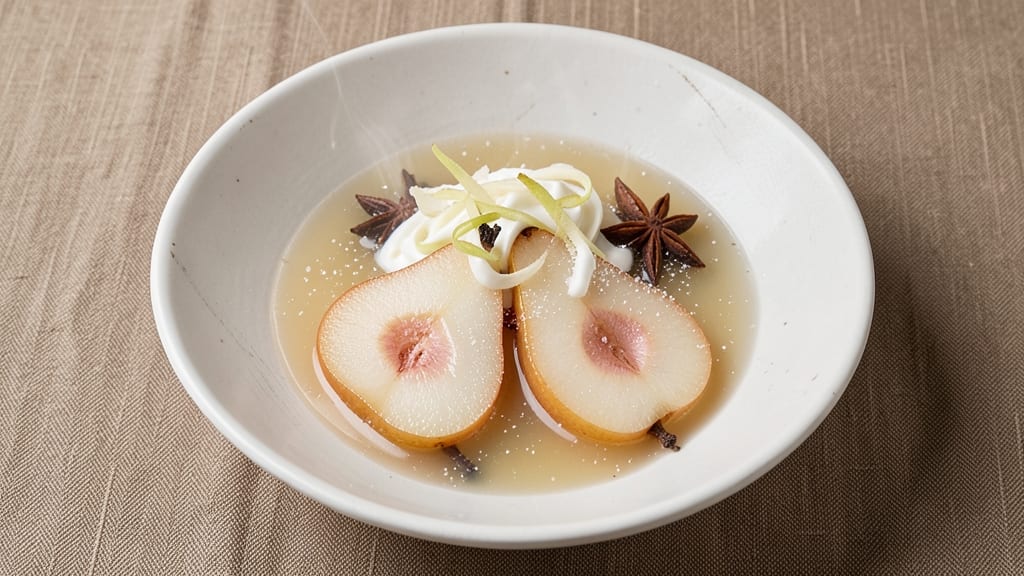
This Asian pear soup recipe transforms simple ingredients into a velvety, aromatic masterpiece that balances sweetness with bright ginger notes—perfect for chilly evenings or as a refreshing palate cleanser. 🌿 The secret lies in simmering pears with ginger and a touch of sugar until they soften into a luscious, naturally sweet broth, then blending for that signature silky texture.
The beauty of this soup is its versatility—traditional versions use minimal ingredients (pears, ginger, water, and sugar), while modern twists incorporate coconut milk, star anise, or even a splash of sake for depth.
I’ve tested countless variations, and this method delivers restaurant-quality results with just 30 minutes of active prep and 20 minutes of simmering.
What you’ll end up with is a silky-smooth soup with a delicate floral aroma from the pears and a warming kick from the ginger.
The broth is rich enough to stand alone but pairs beautifully with crispy fried shallots, a drizzle of honey, or a sprinkle of toasted sesame seeds for texture. It’s light enough for lunch but substantial enough for dinner—ideal for any occasion.
Best of all, this recipe adapts effortlessly to dietary needs—skip the sugar for a naturally sweetened version, or add a splash of coconut milk for extra creaminess. Serve it warm or chilled, and watch as it becomes your new go-to comfort dish. Let’s get cooking!
Ingredients for asian pear soup
Velvety pears meet aromatic ginger in this refined soup—simple yet sophisticated ingredients for a restaurant-worthy dish.
| Ingredient | Amount | Notes |
|---|---|---|
| Asian Pears 🍐 | 4 whole | Firm, ripe pears preferred |
| Fresh Ginger 🧄 | 3 tbsp | Peeled, grated fine |
| Granulated Sugar 🍚 | ¼ cup | Adjust to taste |
| Water 💧 | 4 cups | Filtered preferred |
| Star Anise 🌿 | 2 whole | Optional for depth |
| Coconut Milk 🥥 | ½ cup | Full-fat for creaminess |
| Sake 🍶 | ¼ cup | Substitute with white wine |
| Crispy Fried Shallots 🧅 | ¼ cup | Store-bought or homemade |
| Toasted Sesame Seeds 🌰 | 1 tbsp | For garnish |
| Honey 🍯 | 1 tbsp | Optional drizzle |
| Sea Salt 🧂 | ½ tsp | Diamond Crystal preferred |
| Black Pepper 🌶️ | ¼ tsp | Freshly ground |
The pears are the star—opt for Asian pears if available, but Bosc or Anjou work beautifully too. Look for firm fruit with a slight give when pressed; overly soft pears will turn mushy. Whole Foods or local Asian markets carry the best selection, but any grocery store’s produce section will suffice. Fresh ginger should be tightly knotted and aromatic—avoid any with soft spots or mold. For the star anise, Penzeys Spices sells whole pods at a reasonable price, or check the international aisle at Trader Joe’s for pre-packaged options. The coconut milk should be full-fat for that luxurious texture—light versions won’t deliver the same richness.
No Asian pears? Bosc or Anjou are perfect substitutes—they hold up well during simmering. Running low on sake? Dry white wine or mirin both work, though sake adds that subtle umami depth. The star anise is optional but highly recommended—it infuses a delicate licorice note that elevates the soup. If you can’t find it, a tiny pinch of cinnamon adds warmth, though it won’t be identical. For the sugar, coconut sugar or maple syrup can replace granulated, but adjust the amount since they’re sweeter. The fried shallots can be store-bought (like Trader Joe’s brand) or homemade—just fry thin shallot slices in oil until crispy. No honey? Agave nectar works in a pinch, though it lacks the floral notes.
This soup tastes even better the next day as flavors meld, so double the batch if you’re hosting. Store in an airtight container in the fridge for up to 5 days, or freeze for 3 months in portion-sized containers. For serving, chill completely before blending for ultra-smooth texture—no need to strain unless you prefer it completely silky. Garnish with fried shallots and sesame seeds just before serving, as they lose crispness when added earlier. The soup reheats beautifully—simply warm on the stove over medium-low heat, stirring occasionally, until just heated through. A splash of water can help restore its velvety consistency if it thickens upon reheating.
Why You'll Love This Recipe
- No-Chop Necessary: I swear by this—just peel, halve, and drop those Asian pears into simmering water. The skin stays intact, the texture stays perfect, and I’m not scrubbing a colander for hours. Honestly, my lazy Sundays thank me every time.
- Sweet-Spicy Balance: That first sip? The ginger’s sharp kick mellows into warmth while the star anise lingers like a whisper of cinnamon. Add a touch of sugar, and suddenly you’ve got a drink that’s refreshingly complex—no fancy syrup required.
- Weeknight to Brunch: Make a big batch on Sunday, and you’ve got a chilled drink for Monday meetings, a light lunch for guests, or even a fancy-ish starter when you’re feeling fancy. Between us, I’ve served it at 7 AM and 7 PM with zero judgment.
- Budget Brightener: Asian pears last forever in the fridge, and a single ginger root stretches across three batches. Star anise? A dollar’s worth lasts for months. It’s the kind of recipe that makes my grocery budget breathe easier—without sacrificing flavor.
Step-by-step instructions for Asian pear soup
Transform simple ingredients into velvety, aromatic pear soup with balanced sweetness and zesty ginger.
🍳 Step 1: Simmer the Ginger and Star Anise
In a medium saucepan, combine the 4 cups water, 3 tbsp fresh ginger, and 2 whole star anise. Bring to a boil over medium-high heat while stirring occasionally to prevent the ginger from sticking to the bottom. Once boiling, reduce heat to medium-low and let it simmer for 10 minutes—this extracts maximum flavor from the ginger and star anise.
The star anise will infuse the water with a subtle licorice note, while the ginger releases its bright, aromatic oils. You'll notice the liquid turning a pale golden color and developing a gentle, spicy fragrance. This aromatic base is the foundation of your soup's complex flavor profile.
👨🍳 Step 2: Add Pears and Sugar
Peel the 4 whole Asian pears (if desired) and cut them into ½-inch chunks, removing any seeds. Add them to the simmering water along with the 0.25 cup granulated sugar. Stir gently to combine, then return to a simmer over medium-low heat. Cook for 15-20 minutes, stirring occasionally, until the pears are tender when pierced with a fork but still hold their shape.
I like to leave the pears slightly firm—they'll continue softening as the soup cools. Taste the liquid after 10 minutes and adjust the sugar if needed; Asian pears are naturally sweet, so you may not need all of it. The sugar should dissolve completely, creating a delicate sweetness that balances the ginger's sharpness.
🥘 Step 3: Incorporate Coconut Milk and Sake
Reduce heat to low and stir in the 0.5 cup coconut milk and 0.25 cup sake. Simmer gently for 5-7 minutes, stirring occasionally, until the soup reaches a smooth, velvety consistency. The coconut milk adds a luxurious creaminess while the sake introduces a subtle umami depth that rounds out the flavors.
Here's the thing—don't rush this step. The heat should be low enough that the coconut milk doesn't curdle, but high enough to meld all the flavors together. You'll see tiny bubbles break the surface and the soup develop a glossy sheen. If it looks too thick, add 1-2 tablespoons of hot water to reach your desired consistency.
🔪 Step 4: Finish with Seasonings and Garnish
Remove the star anise pods and strain the soup through a fine-mesh sieve into a clean pot if you prefer a completely smooth texture. Return the soup to medium-low heat and stir in the 0.5 tsp sea salt, 0.25 tsp black pepper, and 1 tbsp honey. Simmer for 2 more minutes, then remove from heat.
Ladle the soup into bowls and garnish immediately with 1 tbsp toasted sesame seeds and 0.25 cup crispy fried shallots. The sesame seeds add a nutty crunch while the fried shallots bring a savory, oniony punch that cuts through the sweetness. For extra elegance, drizzle with a touch of honey or a swirl of coconut milk before serving.
⏰ Step 5: Rest and Serve for Optimal Texture
Let the soup rest for 5-10 minutes before serving. This allows the flavors to fully meld and the textures to settle—you'll notice the pears soften slightly more and the broth becomes even silkier. Serve warm with a side of crusty bread or steamed rice to soak up every last drop of that luxurious broth.
Each spoonful should deliver a perfect balance: tender pear, bright ginger, subtle star anise, and creamy coconut milk. The contrast between the smooth soup and crispy shallots creates a textural experience that makes this simple recipe feel truly special.
Pro Tips For Making Asian Pear Soup
- PEEL PERSIMMONS FIRST: Asian pears are tougher than regular pears—peeling them before slicing saves your knife and keeps the chunks even. I learned this the hard way after fighting a slippery blade for 10 minutes.
- SIMMER STAR ANISE LONG: Toss the star anise in cold water first, then bring to a boil before adding pears. Simmer uncovered for 15 minutes—this extracts the full aroma without burning the pods (yes, I’ve done that too).
- SKIP THE BOILING WATER: Cold water prevents the pears from turning mushy. Start with room-temp water, add ginger and sugar, then bring to a gentle simmer—this keeps the texture crisp and the flavors balanced.
- SWEETEN GRADUALLY: Taste before adding all the sugar. Asian pears release natural sweetness as they cook—start with half the sugar, let it steep, then adjust. My first batch was cloyingly sweet because I ignored this.
Dietary considerations for these flavors
Vegetarian-Friendly Adaptations
This recipe is naturally vegetarian and requires zero substitutions to achieve its signature silky texture and balanced flavors. The Asian pears provide sweetness without dairy, while the ginger, star anise, and coconut milk create depth without meat.
For extra protein, stir in tofu cubes (½ cup) during the final simmer or top with crispy baked tempeh for texture. 🌱
Gluten-Free Considerations
All core ingredients are inherently gluten-free, but check labels on coconut milk (some brands use additives) and fried shallots (often processed in gluten-containing facilities). I recommend Trader Joe’s or 365 Organic coconut milk brands, which are certified gluten-free.
For homemade fried shallots, use gluten-free tamari instead of soy sauce in the frying mixture. Always verify labels when using store-bought garnishes.
Low-Sugar Options
Skip the granulated sugar entirely—Asian pears are naturally sweet when ripe. For extra sweetness, add ½ cup ripe mango purée or 1 tbsp date syrup during the final simmer. The star anise and ginger will still provide complexity without added sugar.
If using Bosc pears, you may need 1-2 tbsp sugar for balance, but taste first—they’re less sweet than Asian varieties. 🍯
Dairy-Free Variations
The original recipe uses coconut milk, which is naturally dairy-free, but you can swap it for cashew cream (blend ½ cup soaked cashews + ½ cup water) for a nutty twist.
For a nut-free option, use silken tofu blended with water (¼ cup tofu + ¼ cup water) to achieve a similar creaminess. Both alternatives require blending until completely smooth before adding to the soup.
Allergen-Free Adjustments
For nut allergies, omit coconut milk and use ½ cup extra water or 1 tbsp cornstarch (mixed with water) to thicken the broth. For sesame allergies, garnish with toasted pumpkin seeds instead of sesame seeds.
Always double-check ingredient labels—star anise is typically safe, but cross-contamination can occur in shared processing facilities. When in doubt, source spices from allergen-free brands like Simply Organic.
Nutrition facts
Frequently asked questions
Can I use regular pears instead of Asian pears?
Yes, but you may need to adjust the sugar. Asian pears are naturally sweeter and firmer, while regular pears like Bosc or Anjou require 1-2 extra tablespoons of sugar for balance. The texture will be slightly different—Asian pears hold their shape better during simmering.
How do I make this soup vegan?
Skip the honey and use maple syrup or agave instead. For extra creaminess, replace the coconut milk with cashew cream (blend ½ cup soaked cashews + ½ cup water). The soup remains naturally vegan with these simple swaps.
Can I make this soup ahead of time?
Store in an airtight container in the fridge for up to 5 days. The flavors actually improve overnight as the pears soften further. Reheat gently on the stove, adding 1-2 tablespoons of water if it thickens too much.
What if my soup turns out too thick?
Simply stir in 1-2 tablespoons of hot water while reheating. For a smoother texture, blend the soup again before serving. If you prefer it chunkier, leave the pears slightly undercooked initially—they'll soften more during resting.
Can I add meat to this recipe?
While this soup is traditionally vegetarian, you can add shredded chicken or pork belly during the final 5 minutes of simmering. For extra richness, stir in 1 tablespoon of fish sauce (if using pork) or 1 tsp soy sauce (for chicken).