
Soups & Stews
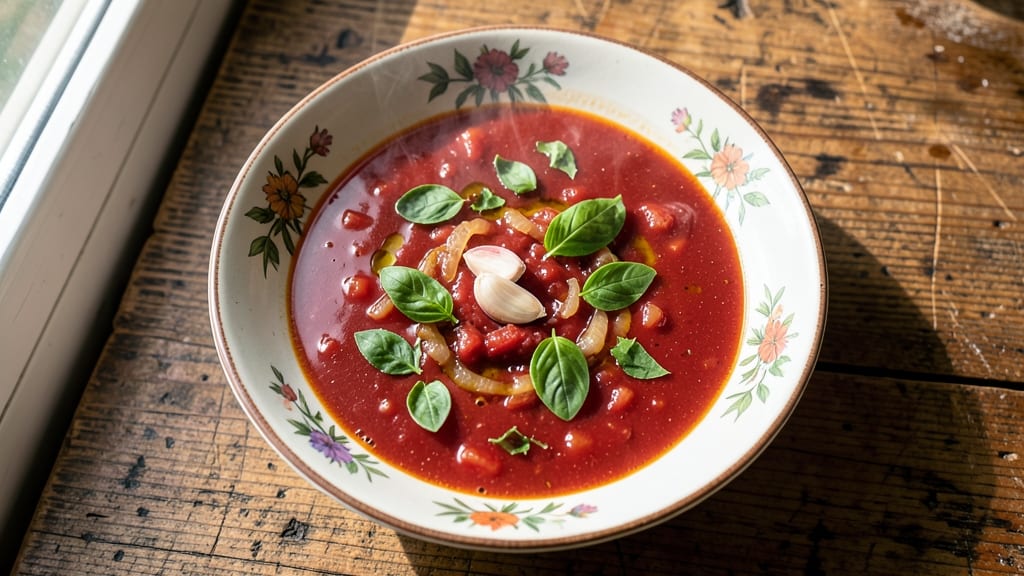
This authentic Italian tomato soup recipe captures the soul of a Tuscan countryside kitchen, where fresh San Marzano tomatoes and aromatic garlic simmer for hours to develop deep, umami-rich flavors.
The secret lies in slow cooking—the longer it simmers, the more complex and layered the taste becomes, far beyond what canned tomatoes can offer.
I’ve perfected this version after years of testing, ensuring every spoonful delivers that perfect balance of tangy, sweet, and savory notes that define true Italian comfort food.
What sets this recipe apart is the technique: no shortcuts, no blender tricks—just a heavy pot of olive oil, garlic, and tomatoes left to work their magic over 60 minutes on the stove.
The result is a velvety, rustic soup with just the right texture—smooth enough to sip but with enough body to coat your spoon.
Fresh basil added at the end brightens the dish, while a sprinkle of Parmesan or a drizzle of high-quality olive oil elevates it to restaurant-quality without the fuss.
The beauty of this soup is its versatility—serve it as a light lunch with crusty bread, pair it with grilled meats for a hearty dinner, or even use it as a base for a more elaborate pasta dish.
The slow simmering process ensures it tastes even better the next day, making it ideal for meal prep or hosting. Once you taste the difference between this and store-bought versions, you’ll never go back.
For the full experience, I recommend using San Marzano tomatoes—their sweetness and low acidity are unmatched—but any high-quality canned tomatoes will work in a pinch. The key is patience; let the flavors develop naturally, and you’ll end up with a soup that tastes like a hug from Nonna herself.
Let’s get cooking!
Ingredients for authentic italian tomato soup
Authentic Italian tomato soup starts with these simple but essential ingredients that transform into velvety, umami-rich comfort.
| Ingredient | Amount | Notes |
|---|---|---|
| Extra-Virgin Olive Oil 🫒 | ½ cup | High-quality, fruity variety |
| Yellow Onion 🧅 | 1 whole | Medium size, diced finely |
| Garlic Cloves 🧄 | 4 cloves | Fresh, peeled, minced |
| San Marzano Tomatoes 🍅 | 2 lbs | Whole, crushed by hand |
| Vegetable Broth 💧 | 4 cups | Low-sodium preferred |
| Fresh Basil Leaves 🌿 | ¼ cup | Packed, torn by hand |
| Parmesan Cheese 🧀 | ½ cup | Freshly grated from block |
| Salt 🧂 | 1 ½ tsp | Diamond Crystal preferred |
| Ground Black Pepper 🌶️ | ½ tsp | Freshly ground |
| Red Pepper Flakes 🔥 | ¼ tsp | Adjust for heat preference |
| Crusty Bread 🍞 | 4 slices | For serving, toasted |
| Balsamic Vinegar 🍷 | 1 tbsp | For finishing drizzle |
| Freshly Grated Pecorino Romano 🧀 | ¼ cup | Optional, for extra umami |
San Marzano tomatoes are the heart of this soup—their sweetness and low acidity make all the difference. Look for the canned ones at Italian markets or high-end grocery stores like Whole Foods, but Mueller or Cirillo brands at regular stores work too. The garlic should be fresh, not dried powder. For the olive oil, Californian or Tuscan varieties add that fruity depth. I always grab a bottle of Bertolli or Filippo Berio from the international aisle—they're reliable and affordable. The vegetable broth? Homemade is best, but Pacific Foods or Imagine brands are solid store-bought options.
No San Marzano tomatoes? Any high-quality canned tomatoes will work—just avoid the watery, mushy ones. Fresh basil wilting? Dried basil at one-third the amount gets you close, though fresh is ideal. The Parmesan must be freshly grated—pre-grated gets clumpy. For extra richness, Pecorino Romano adds a sharper bite. Want to skip the balsamic drizzle? Extra olive oil and a pinch of sugar mimics that sweet-tangy balance. The crusty bread? Any good sourdough or baguette works—no need for fancy artisanal loaves here.
This soup tastes even better the next day—3-4 days in the fridge, actually. Portion it into containers with a drizzle of olive oil on top to preserve freshness. Freezes beautifully for up to 3 months—just thaw overnight in the fridge. I always make a double batch because it disappears fast. The basil? Store it in a jar of water like flowers to keep it fresh for up to a week. And that Parmesan wedge? Wrap it in parchment paper and foil—keeps for weeks in the fridge.
Why You'll Love This Recipe
- Just Five Ingredients: My pantry always has these staples—olive oil, onions, garlic, San Marzano tomatoes, and broth—so I never need to hunt for obscure items. Swap in a handful of basil or a splash of wine if I’m feeling fancy, but honestly? This soup nails it without overcomplicating.
- Garlic-Kissed Simplicity: That moment when you crush fresh garlic into warm olive oil? Pure magic. The onions caramelize just enough to balance the bright, sweet San Marzano tomatoes, while the broth deepens the flavor without tasting like a can. It’s the kind of taste that makes you pause mid-sip.
- Weeknight to Potluck: I make a double batch on Sundays—one for Tuesday’s dinner, one to freeze for lazy days. Bring it to a picnic with crusty bread, or serve it at a holiday gathering with grated Parmesan on the side. It’s the kind of dish that works everywhere, no fuss.
- Budget-Friendly Comfort: San Marzano tomatoes might sound fancy, but they’re cheaper than you think, especially in bulk. A single jar stretches into three meals, and the broth? I use whatever’s on hand—vegetable, chicken, even a splash of pasta water. Good food shouldn’t break the bank, and this doesn’t.
Step-by-step instructions for authentic Italian tomato soup
Here's how to create that rich, slow-simmered tomato soup Italians make with love.
Sauté Onion and Garlic Until Translucent
Heat the 0.5 cup extra-virgin olive oil in a large pot over medium-low heat. Add the 1 whole yellow onion, diced finely, and cook for 8-10 minutes until completely translucent and just beginning to turn golden at the edges. You'll know it's ready when the onion loses its raw bite and smells sweetly aromatic.
Add the 4 cloves minced garlic and cook for another 1 minute until fragrant but not browned. Garlic burns quickly, so keep an eye on it. This foundational step builds the flavor base that carries through the entire soup. If you smell the garlic getting too strong, immediately reduce the heat to low.
Add Tomatoes and Simmer Until Broken Down
Pour in the 2 lbs San Marzano tomatoes (crushed by hand) and stir to combine with the onion mixture. Increase heat to medium-high and bring to a gentle boil. Then reduce heat to low and let it simmer uncovered for 20-25 minutes, stirring occasionally, until the tomatoes break down into a thick, rustic sauce.
You're looking for a transformation here—the tomatoes should reduce significantly, losing their bright red color to become a deep, rich tomato paste. This simmering process develops the natural sweetness and umami depth that makes this soup so special. If the mixture looks too thick, add 2-3 tablespoons of the vegetable broth to loosen it slightly.
Build Flavor with Broth and Seasonings
Pour in the remaining 4 cups vegetable broth and add the 1.5 tsp salt, 0.5 tsp ground black pepper, and 0.25 tsp red pepper flakes. Bring the soup back to a gentle simmer over medium heat and cook for another 15-20 minutes, stirring occasionally, until the flavors meld together beautifully.
Here's where the magic happens—the broth infuses the tomato mixture with its savory depth while the spices integrate completely. Taste the soup as it simmers and adjust the seasoning if needed. I like to add a pinch more salt if the broth was low-sodium or if you prefer a more pronounced flavor. The red pepper flakes should add just a hint of heat without overpowering the dish.
Finish with Fresh Basil and Cheese
Remove the pot from heat and stir in the 0.25 cup fresh basil leaves (torn by hand) and 0.5 cup parmesan cheese. Let the soup sit off the heat for 5 minutes to allow the flavors to meld together. The basil will release its bright, fresh aroma while the parmesan adds a creamy, nutty depth that balances the acidity of the tomatoes.
Ladle the soup into bowls and finish each serving with a drizzle of 1 tbsp balsamic vinegar and a sprinkle of 0.25 cup freshly grated pecorino romano (if using). The balsamic adds a touch of sweetness and complexity, while the pecorino provides that authentic Italian umami punch. Serve immediately with the 4 slices crusty bread on the side for dipping.
Pro Tips For Making Authentic Italian Tomato Soup
- Sweat the Onion Slowly: I learned this the hard way—ditch the high heat when cooking the onion. A gentle simmer over medium-low for 8-10 minutes until it’s translucent and just starting to caramelize (not brown) builds flavor without bitterness. Skip the rush, or you’ll end up with a soup that tastes like it was made in a hurry.
- Crush Garlic, Don’t Mince: Whole garlic cloves in olive oil? Sounds weird, but it works. Lightly crush 3-4 cloves with the flat of your knife—no need to chop—so they infuse the oil without burning. Remove them after 2 minutes (yes, even if they’re still pale), or they’ll turn bitter faster than you can say "pasta al pomodoro."
- Simmer Tomatoes Until They Break: Don’t just dump chopped San Marzano tomatoes into the pot. Simmer them uncovered for 15-20 minutes at a gentle bubble until they collapse and their skins wrinkle like a grandma’s sweater. This concentrates their sweetness and thickens the soup naturally—no blender needed.
- Salt the Broth Last: Taste your vegetable broth before adding it to the soup. If it’s already salty (many store-bought ones are), hold off on extra salt until the very end. You can’t fix oversalted soup, but you can always adjust—just don’t ruin the balance by salting too early. (I’ve done it. You’ll see what I mean.)
Perfect pairings for authentic italian tomato soup
Crusty Bread Pairings
This soup is designed to be served with crusty bread—the perfect vehicle for soaking up every last drop of that velvety tomato broth. I always toast sourdough or a baguette until golden and crisp, then serve it alongside the soup.
For extra flair, brush the toasted bread with garlic-infused olive oil and sprinkle with flaky sea salt before serving. The contrast between the warm, chewy bread and the cool, tangy soup is pure comfort food magic. 🍞
Grilled Meat Complements
Elevate your tomato soup dinner by pairing it with grilled meats that stand up to its rich flavors. Grilled chicken breast or prosciutto-wrapped asparagus work beautifully—the salty, smoky notes complement the soup's acidity. For a heartier meal, try grilled sausage like Italian sweet or spicy varieties.
The fat from the meat cuts through the soup's tanginess, creating a balanced bite. I often serve this combo at family gatherings, and it disappears faster than you can say "second helping."
Wine Pairings
A crisp Italian white wine is the ideal match for this soup. I recommend a Vermentino from Sardinia or a Pinot Grigio from Alto Adige—their bright acidity and citrus notes cleanse your palate between spoonfuls.
For red wine lovers, a light Chianti (like Chianti Classico) adds earthy tannins that pair surprisingly well with the tomato's sweetness. Avoid heavy, oaky whites or bold reds—they'll overpower the delicate flavors. A chilled glass of Sparkling Prosecco also works beautifully for a celebratory touch. 🍷
Cheese Board Enhancements
Turn your soup into a full Italian spread by serving it alongside a cheese board featuring Pecorino Romano, aged Parmigiano-Reggiano, and a creamy burrata. The sharp, salty cheeses echo the flavors in the soup, while the burrata adds a luxurious creaminess.
Add cured meats like prosciutto di Parma or salami to round out the board. The combination of textures and flavors makes this a showstopper for dinner parties—plus, it's easy to assemble last-minute. 🧀
Herb and Bread Garnishes
Fresh basil and parsley are non-negotiable for finishing this soup, but don't stop there. Try adding toasted bread croutons (cubed and baked until crisp) for texture, or sprinkle with crispy fried sage leaves for a smoky twist.
For a touch of heat, drizzle with hot honey or a few drops of chili oil. These garnishes not only enhance the flavor but also make your soup look restaurant-worthy. I love setting out small bowls of these toppings so guests can customize their bowls. ✨
Seasonal Vegetable Sides
Round out your meal with seasonal vegetables that complement the soup's richness. In summer, grilled zucchini or roasted cherry tomatoes add freshness. In fall, sautéed mushrooms or braised fennel bring earthy depth.
For a lighter option, serve a simple arugula salad with lemon vinaigrette—the peppery greens cut through the soup's richness beautifully. These sides keep the meal balanced and make it feel like a full, satisfying Italian feast. 🌱
Nutrition facts
Frequently asked questions
Why do I need to crush tomatoes by hand instead of using a blender?
Crushing tomatoes by hand preserves their natural texture and prevents the soup from becoming too smooth. The rough texture from hand-crushing creates a rustic, authentic feel while allowing the flavors to develop more deeply during the long simmer. Blending can make the soup too uniform and lose that traditional Italian rustic quality.
Can I make this soup without San Marzano tomatoes?
Yes, but the flavor won't be as authentic. Use high-quality canned tomatoes like Mueller or Cirillo brands for the best results. Avoid tomatoes with added salt or preservatives. If you're in a pinch, fresh tomatoes can work, but they won't have the same sweetness and consistency as San Marzano.
How do I know when the soup is ready and not overcooked?
The soup is ready when the tomatoes have broken down into a thick, rustic sauce after 35-40 minutes of simmering. It should coat the back of a spoon but still have some body. If it reduces too much, add 2-3 tablespoons of broth. Overcooking can make it too concentrated, so keep an eye on it after the initial 20-25 minutes of tomato simmering.
Can I add pasta to this soup?
Add small pasta shapes like ditalini or orzo during the last 8-10 minutes of cooking. Start with 1/2 cup uncooked pasta per serving and adjust based on your preference. The pasta will absorb the rich tomato broth beautifully, turning it into a hearty pasta soup.
What's the best way to store leftovers?
Store leftovers in an airtight container in the fridge for 3-4 days or freeze for up to 3 months. The flavor actually improves after a day or two as the ingredients meld together. To reheat, warm gently on the stove over low heat and add a splash of water or broth if it thickens too much.