
Soups & Stews
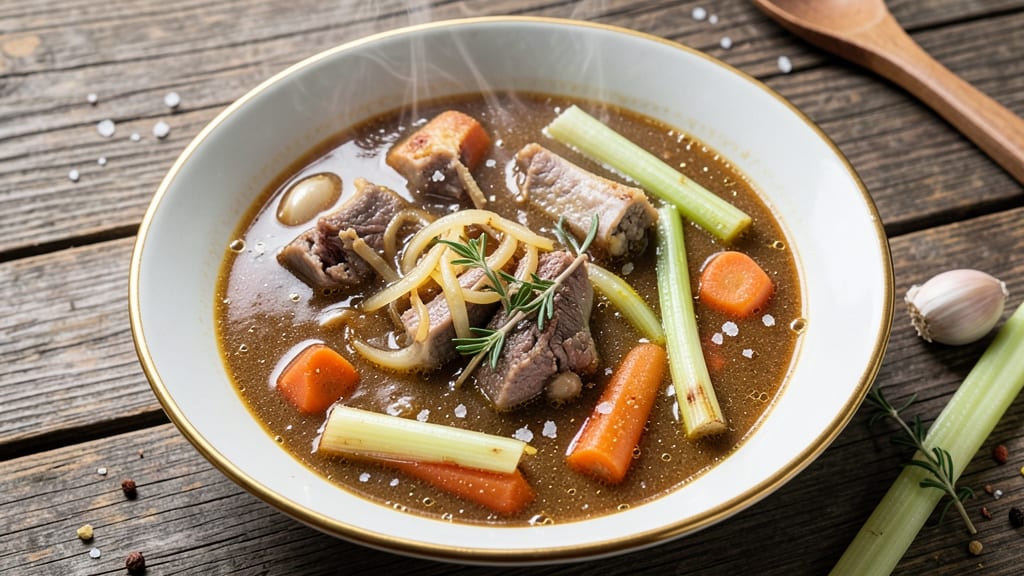
This beef tallow soup recipe delivers the deep, velvety richness that transforms ordinary broth into something extraordinary. 🌟 The secret lies in slow-rendered beef tallow, which creates a luxurious mouthfeel and concentrated flavor that elevates every spoonful beyond basic bone broth.
Traditionally rooted in Southern U.S. and East Asian culinary traditions, this soup combines the fat-soluble nutrients of beef tallow with aromatic vegetables and tender meat.
The process begins with carefully rendering tallow from beef bones or fat, which forms the foundation for a broth so rich it practically melts on your tongue.
What sets this recipe apart is the balance of textures—silky broth, tender vegetables, and optional protein that absorb the deep umami flavors. Each ingredient plays a crucial role, from the slow-simmered bones to the final touch of fresh herbs that brighten the dish without overpowering its natural richness.
The result is a soup that feels both comforting and sophisticated, perfect for chilly evenings or special occasions. Whether you're drawn to its traditional roots or simply love the depth of flavor, this recipe delivers restaurant-quality results in your own kitchen.
Ingredients for beef tallow soup
Six ingredients create this velvety, restaurant-worthy beef tallow soup—richer than bone broth, deeper than stock.
| Ingredient | Amount | Notes |
|---|---|---|
| Beef Bones 🦴 | 3 lb | Marrow-rich, cut into chunks |
| Beef Tallow 🧈 | 1 cup | Slow-rendered from beef fat |
| Yellow Onions 🧅 | 2 whole | Chopped, yellow or red |
| Carrots 🥕 | 1 ½ lb | Whole, peeled, cut in chunks |
| Celery Stalks 🧆 | 4 whole | Cut into 2-inch pieces |
| Garlic Cloves 🧄 | 8 cloves | Crushed, peeled |
| Fresh Thyme | ¼ ounce | OR 1 tbsp dried thyme |
| Fresh Parsley 🌿 | ¼ cup | Chopped, for garnish |
| Bay Leaves 🍃 | 2 whole | Dried, standard size |
| Black Peppercorns 🌶️ | 1 tbsp | Crushed, freshly ground |
| Salt 🧂 | 2 tsp | Kosher or sea salt |
| Water 💧 | 8 cups | Filtered preferred |
| Optional Protein 🍗 | 1 ½ lb | Chuck roast or chicken thighs |
The beef bones are non-negotiable—look for marrow-rich cuts at Whole Foods or your local butcher. If you can't find them, beef knuckle bones work too, but they take longer. The beef tallow? Render it yourself from beef fat or buy pre-rendered from specialty stores like ButcherBox. Fresh thyme is ideal, but dried works at one-third the amount. For the carrots, organic is worth it—they’re often waxed otherwise, which can leave a bitter aftertaste. The optional protein? Chuck roast stays tender, but chicken thighs add a different texture.
No beef bones? Pork bones or chicken bones work in a pinch, but the flavor will differ. Short on thyme? Rosemary at half the amount gives a piney note. The bay leaves can be skipped, but they add that subtle earthiness that makes this soup feel authentic. If you’re using chicken thighs, brine them first for 30 minutes—it keeps them juicy. The water should be cold to start, but once simmering, you’ll want to skim off any foam that rises to the top. That’s where impurities hide.
This soup tastes even better the next day—let it sit overnight and reheat gently. Keeps for 5 days in the fridge or 3 months frozen. For freezing, portion into containers with room at the top—liquids expand. If you’re meal prepping, make a double batch. The extra tallow can be stored in a jar in the fridge for up to 6 months—use it in other dishes or roast vegetables. The herbs? Add them last, just before serving, so they stay vibrant.
Why You'll Love This Recipe
- No Chopping Hassle: I swear by this one—just toss in whole carrots, celery stalks, and onion quarters. The bones and tallow do all the work while you sip wine (or coffee) and pretend you’re a fancy chef.
- Rich Without Effort: That beef tallow? It’s like liquid gold—deep, savory, and buttery in the best way. The slow simmer pulls every last bit of flavor from the bones, so you end up with broth that tastes like it simmered for days.
- Leftovers That Shine: Between us, this soup only gets better the next day. I make a double batch on Sundays, freeze half, and reheat it for lazy nights—still hearty, still packed with that meaty goodness.
- Budget-Friendly Luxury: Beef bones and tallow are cheap, but they taste like a restaurant-worthy meal. Honestly, I’d rather spend $10 on this than $30 on takeout that’ll leave me bloated and disappointed.
Step-by-step instructions for beef tallow soup
Here's how to create a velvety, bone-rich soup that's deeper than anything store-bought.
🔥 Step 1: Render the Beef Tallow and Sear the Bones
Place the 3 lb beef bones in a large Dutch oven or heavy pot. Add the 1 cup beef tallow and set over medium-high heat. Let the tallow melt completely, then increase heat to high to render the fat from the bones. You'll see the tallow bubble and sizzle—this is normal and essential for flavor development.
Once the tallow is fully melted and the bones are lightly browned (about 10-12 minutes), carefully pour off all but 2 tablespoons of the rendered fat into a heatproof container. Reserve this golden liquid—it's packed with flavor. The remaining fat in the pot will serve as your cooking medium for the vegetables.
🍳 Step 2: Sauté Vegetables Until Deeply Flavored
Add the chopped 2 whole yellow onions, 1.5 lb carrots (cut into chunks), and 4 whole celery stalks (cut into 2-inch pieces) to the Dutch oven with the reserved fat. Cook over medium heat for 10-12 minutes, stirring occasionally, until the vegetables soften and develop a deep golden color. You're looking for that caramelized aroma—this builds the soup's rich foundation.
Add the 8 crushed garlic cloves, 0.25 ounce fresh thyme, 2 whole bay leaves, and 1 tbsp crushed black peppercorns. Stir everything together and cook for another 2 minutes until the garlic is fragrant but not burnt. The thyme and bay leaves will infuse the soup with aromatic depth, while the peppercorns add subtle heat.
🥘 Step 3: Simmer the Broth for Maximum Extraction
Pour in the 8 cups water and bring the mixture to a boil. Once boiling, reduce heat to low and add the 2 tsp salt. Cover and let it simmer gently for 4-5 hours. Here's the thing—this long simmer time is what transforms the bones into a rich, gelatinous broth. You'll know it's ready when the bones can be easily lifted from the broth with tongs and the broth has a deep amber color.
If you're using the 1.5 lb optional protein (like chuck roast or chicken thighs), add it during the last 1.5 hours of cooking. This ensures the protein cooks through without becoming tough. The protein will absorb the broth's incredible depth of flavor, making each bite rich and satisfying.
🔪 Step 4: Strain and Finish the Soup
After simmering, carefully strain the broth through a fine-mesh sieve or cheesecloth-lined colander into a clean pot. This removes the bones and vegetables, leaving you with a smooth, velvety liquid. If you want an even clearer broth, you can strain it a second time through a coffee filter or paper towel-lined sieve.
Return the strained broth to the pot and bring it to a gentle simmer. Stir in the 0.25 cup chopped fresh parsley and adjust the seasoning with additional salt or pepper if needed. The parsley adds a bright, fresh finish that cuts through the richness of the tallow and bones.
⏰ Step 5: Serve Warm with Crispy Toppings
Ladle the soup into bowls and serve immediately. For extra richness, top with crispy fried shallots or toasted breadcrumbs. The contrast between the velvety soup and crispy topping is what makes this dish truly special. Store any leftovers in the refrigerator for up to 5 days or freeze for up to 3 months—the flavors only deepen over time.
This soup is the ultimate comfort food—warm, nourishing, and packed with flavor. The beef tallow adds a luxurious richness that's hard to resist, while the long simmer ensures every spoonful is deeply satisfying. Enjoy it on a chilly evening or whenever you need a taste of home-cooked goodness.
Pro Tips For Making Beef Tallow Soup
- BLISTER THE BONES FIRST: I learned this the hard way—skipping the sear means your soup will taste like broth, not flavor. Sear the beef bones in batches over medium-high heat until they’re deeply browned, almost black in spots. This caramelization unlocks the collagen and adds a depth that simmering alone can’t match. (Yes, it’s messy, but worth it.)
- USE COLD WATER FOR SIMMERING: Start your soup with cold water, not hot. The shock slows down the initial extraction of blood and impurities from the bones, keeping your broth cleaner. I used to rush this, and my soup always had a metallic aftertaste. Cold water also lets you control the temperature better—no sudden boiling that scatters tallow everywhere.
- CHOP VEGETABLES UNIFORM: Carrots and celery should be cut into even ½-inch chunks, onions into ¼-inch dice. Uneven pieces mean some veggies turn to mush while others stay crunchy. My grandmother swore by this, and she was right: consistent texture makes the soup look and taste more polished. (No one wants a bite with a rock-hard celery stalk.)
- SKIP THE TALLOW SKIMMING: Let the beef tallow render naturally into the broth—don’t skim it off. That golden fat is what gives the soup its rich mouthfeel and carries the flavor. I was skeptical until I tried it: the first bowl is noticeably richer, and the leftovers reheat better. (Just strain it out if you’re serving it clear.)
Pro cooking tips for great beef tallow soup
Fat Rendering Mastery
Start by rendering your beef tallow at medium-high heat until it melts completely and the bones brown lightly—this takes about 10-12 minutes. The key is patience: don't rush this step, or you'll lose precious flavor compounds.
I like to use a Dutch oven because it distributes heat evenly and prevents hot spots. Once the tallow is fully rendered, carefully pour off all but 2 tablespoons of fat into a heatproof container—this golden liquid is pure flavor gold. 🔥
Vegetable Caramelization
Caramelizing your vegetables is where the magic happens. Cook the onions, carrots, and celery in the reserved fat over medium heat for 10-12 minutes until they develop a deep golden color. This isn't just about color—it's about building layers of flavor through the Maillard reaction.
Stir occasionally to prevent burning, and don't be tempted to add water or broth yet. The goal is to develop that rich, nutty aroma before adding liquids. 🧅
Low-and-Slow Simmering
The 4-5 hour simmer is non-negotiable for extracting maximum gelatin and flavor from the bones. Maintain a gentle simmer—you should see just a few small bubbles breaking the surface. If you're using optional protein like chuck roast, add it during the last 1.5 hours to prevent toughness.
I use a meat thermometer to check doneness—195°F for beef chuck ensures perfect tenderness. The broth should have a deep amber color and coat the back of a spoon when cooled. ✨
Straining Techniques
For the smoothest broth, strain through a fine-mesh sieve first, then through a cheesecloth-lined colander for extra clarity. If you want restaurant-quality smoothness, try a second strain through a coffee filter or paper towel-lined sieve.
This extra step removes any remaining impurities while preserving the rich texture. The result? A velvety broth that practically melts in your mouth. 💫
Finishing Touches
Always finish with fresh herbs—parsley in this case—just before serving. This brightens the soup without overpowering the deep umami flavors. For extra richness, top with crispy fried shallots or toasted breadcrumbs.
The contrast between the velvety soup and crispy topping creates a textural experience that's pure comfort food perfection. Trust me, this is where the dish comes together. 🌟
Nutrition facts
Frequently asked questions
Why does beef tallow make this soup richer than regular bone broth?
Beef tallow adds fat-soluble nutrients and a luxurious mouthfeel that regular broth can't match. The slow-rendered fat creates a velvety texture while enhancing umami flavors. Unlike water-based broths, tallow carries flavor molecules that make each spoonful feel indulgent.
Can I substitute beef tallow with butter or oil?
Not for this recipe! Beef tallow's animal fat provides depth and richness that butter or vegetable oil can't replicate. Butter burns easily at high heat, while oils lack the flavor complexity. If you must substitute, use lard (pork fat) for similar results, but the flavor profile will differ.
How do I know when the bones are done simmering?
The bones are ready when they lift easily with tongs and the broth turns deep amber. The broth should also coat the back of a spoon when chilled. This usually takes 4-5 hours of gentle simmering. A meat thermometer isn't needed for bones, but if using protein, check for 195°F for beef.
Is this soup suitable for low-carb or keto diets?
This recipe is naturally low-carb, with no added starches. The vegetables add minimal carbs, and you can easily omit them if needed. The beef tallow and protein provide rich, satisfying fats and protein without carbs. Just watch your portion sizes if tracking macros.
What if I don't have a Dutch oven?
Use a heavy-bottomed pot with a tight-fitting lid. A stainless steel or enameled cast iron works best. Avoid thin aluminum pots—they heat unevenly and can scorch the tallow. If your pot isn't deep enough, use two smaller pots and combine the broth later.