
Soups & Stews
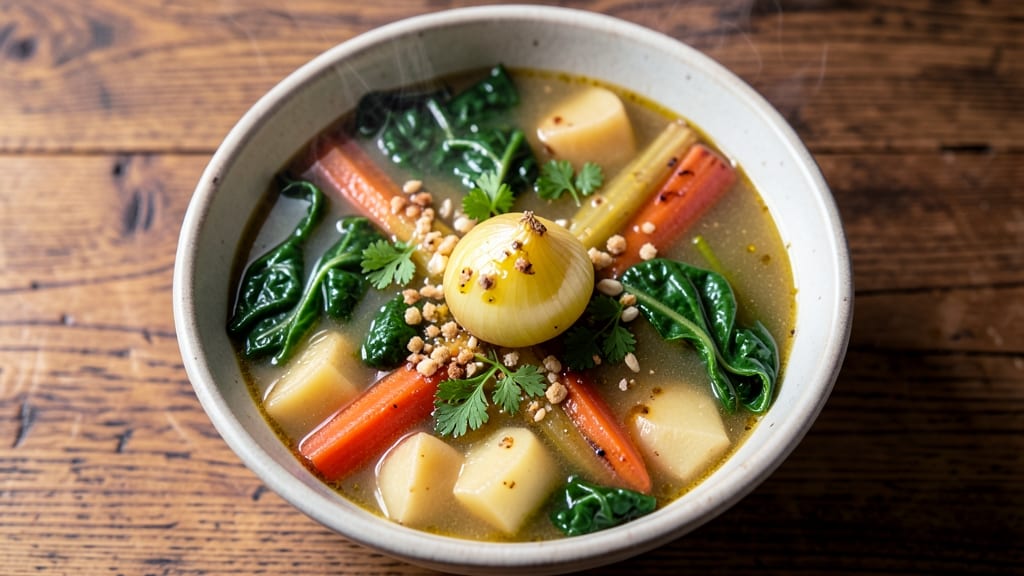
This best-rated cabbage soup recipe delivers a harmonious blend of earthy cabbage, aromatic herbs, and savory depth—perfect for a nourishing, hearty meal that feels both comforting and refined. 🌿 The secret lies in balancing tender cabbage with a rich broth and bold seasonings, creating a soup that’s light yet satisfying, with every spoonful offering layers of flavor.
Unlike heavy stews, this version simmers just enough to let the cabbage soften without losing its natural crunch, while herbs like thyme and bay leaf infuse the broth with warmth and complexity.
The recipe’s foolproof technique ensures you’ll achieve restaurant-quality results at home, even if you’re new to cabbage-based soups. With just 30 minutes of active prep and a 45-minute simmer, it’s ideal for busy weeknights or meal prep—packed with nutrients, fiber, and protein from optional additions like beans or chicken.
The broth, made from scratch, is the soul of this dish, deepened by garlic, onions, and a touch of apple cider vinegar for brightness, while the cabbage retains its vibrant color and subtle sweetness.
What sets this apart is the herbal notes that elevate it beyond basic cabbage soup—fresh parsley and dill finish the dish, adding a fresh, bright contrast to the rich broth. The result is a soup that’s as clarifying as it is flavorful, with a texture that’s velvety yet still satisfying.
Whether you’re craving a light lunch or a cozy dinner, this recipe delivers on both nutrition and taste, proving that cabbage soup can be a star dish in any repertoire.
For those who prefer a vegetarian version, simply omit the meat and use vegetable broth; for extra heartiness, add cooked sausage or shredded chicken. The beauty of this recipe lies in its adaptability—it’s the kind of dish that gets better with leftovers, as flavors meld and deepen over time.
Ready to transform simple ingredients into something extraordinary? Let’s get started.
Ingredients for best rated cabbage soup
Earthy cabbage, aromatic herbs, and savory depth transform simple ingredients into this nourishing, restaurant-quality soup.
| Ingredient | Amount | Notes |
|---|---|---|
| Green Cabbage 🥬 | 1 ½ lb | Outer leaves removed, chopped |
| Yellow Onion 🧅 | 1 whole | Medium size, diced |
| Carrots 🥕 | 3 medium | Peeled, sliced into rounds |
| Russet Potatoes 🥔 | 2 medium | Peeled, cubed into 1-inch pieces |
| Celery Stalks 🥬 | 3 whole | Trimmed, chopped |
| Garlic Cloves 🧄 | 4 cloves | Minced for depth |
| Fresh Thyme 🌿 | ½ ounce | Or 1 tbsp dried |
| Bay Leaves 🌿 | 2 whole | For aromatic depth |
| Apple Cider Vinegar 🍎 | 2 tbsp | For brightness |
| Chicken Broth 💧 | 6 cups | Low-sodium preferred |
| Fresh Parsley 🌿 | ¼ cup | Chopped for garnish |
| Fresh Dill 🌿 | ⅛ cup | Chopped for freshness |
| Olive Oil 🫒 | 2 tbsp | Extra-virgin for richness |
| Salt 🧂 | 1 ½ tsp | Adjust to taste |
| Black Pepper 🌶️ | ½ tsp | Freshly ground |
The cabbage is the star—green cabbage with its tight leaves holds up best to simmering. Whole Foods or local farmers markets often have the freshest heads, but any grocery store green cabbage works. Look for vibrant color and crisp leaves—no yellowing or wilted spots. The carrots and celery add natural sweetness and texture, so don't skip them. I always grab the organic carrots at Trader Joe's because they're sweeter and more flavorful. The potatoes give body to the soup, but if you're keeping it lighter, reduce to just one medium potato.
No fresh thyme? Dried works at one-third the amount, but fresh has that bright, floral note that's essential here. Running low on dill? Fresh parsley at double the amount gives a similar fresh finish. The apple cider vinegar might seem odd, but it's what cuts through the richness and keeps the broth bright. Bragg or Texas Pete are my go-tos—they've got great flavor. For the broth, low-sodium is key so you can control the salt level. Need a vegetarian version? Swap the chicken broth for vegetable broth and add 1 can of white beans for protein.
This soup tastes even better the next day as flavors meld. Store in an airtight container for 4-5 days in the fridge or 3 months in the freezer. I like to portion it into glass containers for easy reheating—just add a splash of water or broth if it's too thick. The herbs can be added fresh at the end if you're serving immediately, or stir them in during the last 5 minutes of cooking. Freeze without the herbs, then add them when reheating for maximum freshness.
Why You'll Love This Recipe
- Pantry Staple Power: I swear by this recipe because it uses ingredients I always have on hand—no last-minute grocery runs. That yellow onion, celery, and carrots? They’re the holy trinity of flavor, and the cabbage? It softens just enough to soak up every bit of savory broth.
- Creamy Crunch Magic: Here’s what sold me—the potatoes break down into that perfect creamy texture while the cabbage stays crisp in spots. It’s the kind of contrast that makes you go back for seconds, even if you swore you weren’t hungry.
- Meal Prep MVP: Between us, this soup is my secret weapon for busy weeks. Make a big batch on Sunday, and you’ve got lunch covered for days. The flavors actually improve after sitting overnight—honestly, my freezer’s full of it.
- Budget-Friendly Feast: For under $10, I feed my whole family a hearty, satisfying meal. The potatoes bulk it up, the cabbage adds freshness, and the carrots? They’re practically free. It’s the kind of recipe that makes me feel like I’m not just surviving—thriving.
Step-by-step instructions for light and clarifying cabbage soup
Here's how to craft a soup so vibrant and flavorful it'll become your go-to comfort dish.
🍳 Step 1: Sauté the Aromatic Base
Heat the 2 tablespoons olive oil in a large Dutch oven over medium heat. Add the 1 whole yellow onion, 3 whole celery stalks, and 3 medium carrots (already chopped). Cook for 8-10 minutes, stirring occasionally, until the vegetables soften and the onion becomes translucent.
Here's the thing—don't rush this step. You're building flavor layers that will carry through the entire soup. When the vegetables smell sweet and the edges start to caramelize slightly, you'll know it's time to move on. Add the 4 cloves garlic and cook for another 30 seconds until fragrant but not browned.
🍳 Step 2: Add Potatoes and Herbs
Toss in the 2 medium russet potatoes (cubed) and stir to coat with the aromatic vegetables. Add the 0.5 ounce fresh thyme, 2 whole bay leaves, 1.5 teaspoons salt, and 0.5 teaspoon black pepper. Stir everything together and cook for 2 minutes to let the spices bloom and coat the potatoes.
This is where the magic starts. The thyme and bay leaves will infuse the broth with their earthy depth, while the potatoes begin to develop a slight crust. Don't walk away—keep an eye on the pan to prevent burning. When the potatoes are lightly coated and the herbs are releasing their aroma, you're ready for the next step.
🥘 Step 3: Build the Soup Foundation
Pour in the 6 cups chicken broth and bring the mixture to a gentle boil. Once boiling, reduce heat to medium-low and let it simmer for 15 minutes. This initial simmer allows the potatoes to partially cook while extracting maximum flavor from all the ingredients.
After 15 minutes, add the 1.5 lb green cabbage (already chopped) and the 2 tablespoons apple cider vinegar. The vinegar might seem like an odd addition, but it brightens the entire soup with a subtle tang that cuts through the richness. Stir everything together and let it simmer for another 10 minutes—you'll see the cabbage begin to soften and the colors deepen.
⏰ Step 4: Finish with Fresh Herbs
Remove the 2 whole bay leaves (they've done their job) and stir in the 0.25 cup fresh parsley and 0.125 cup fresh dill. These herbs add a vibrant freshness that contrasts beautifully with the earthy depth of the soup. Let it simmer for another 5 minutes to allow the flavors to meld together perfectly.
Taste and adjust seasoning if needed. I know it seems like a lot of salt, but remember the broth might be low-sodium. The soup should be flavorful but not overwhelming. When it reaches that perfect balance—where every spoonful delivers layers of vegetable sweetness, herbal depth, and bright acidity—it's ready to serve.
🍽️ Step 5: Serve Warm and Enjoy
Ladle the soup into bowls and serve immediately while still steaming hot. The contrast between the warm soup and the fresh herbs on top creates an experience that's both comforting and refreshing. Garnish each serving with an extra sprinkle of fresh dill for that final pop of color and flavor.
This soup is best enjoyed fresh, but any leftovers will keep in the refrigerator for up to 4 days. The flavors actually improve as they meld together over time. Real talk: you'll want to make this at least twice because it disappears so quickly.
Pro Tips For Making Best Rated Cabbage Soup
- CHAR THE CELERY FIRST: I learned this the hard way—if you toss in celery stalks whole, they’ll just sit there like soggy toothpicks. Instead, halve them lengthwise, then slice into ¼-inch pieces. They’ll soften in 5 minutes on medium-high heat, releasing that deep, nutty flavor before anything else gets added.
- SALT THE POTATOES: Russet potatoes need a head start. Toss them in ½ teaspoon salt and a drizzle of oil before they hit the pot. This jumpstarts the breakdown of starches, so they don’t turn to mush later. (Yes, even if you’re impatient like me.)
- SKIP THE CROWDED POT: After burning three batches, I finally figured out: cabbage soup needs room to breathe. Don’t dump all the chopped veggies in at once. Start with onions, carrots, and celery for 5 minutes, then add potatoes and cabbage in stages. Overcrowding steams instead of sautés.
- USE A LITTLE VINEGAR: Sounds weird, but it works: splash in 1 tablespoon of apple cider vinegar when the soup simmers. It brightens the cabbage’s bitterness and tightens the texture of the potatoes—no one will taste it, but the soup will hold together better. (Your future self will thank you.)
Troubleshooting this dish
Mushy Cabbage Fix
If your cabbage turns out mushy instead of tender, it likely simmered too long. To prevent this, add the cabbage 10 minutes before serving instead of at the start.
For a quick fix, stir in 1 tablespoon cornstarch mixed with 2 tablespoons water and simmer for 2 minutes—this thickens the broth and tightens the cabbage slightly. 🥬
Broth Too Watery?
Thin broth happens when too much liquid is added or vegetables release excess moisture. Remove the lid and simmer uncovered for 5-10 minutes to reduce. For an instant fix, mash 1 cooked potato directly into the soup—it thickens without altering flavor.
If you prefer a smoother texture, blend 1 cup of soup and stir it back in.
Bland Flavor Profile
Bland soup usually means under-seasoned broth or overcooked vegetables. Boost flavor by adding 1 teaspoon soy sauce or Worcestershire sauce (just ½ teaspoon each for depth) or a splash of lemon juice.
For extra umami, stir in 1 teaspoon fish sauce (if vegetarian, use 1 teaspoon miso paste). Fresh herbs like parsley or dill can’t fix this—you need more salt or acidity.
Vegetables Not Cooked Evenly
Uneven cooking often means the potatoes or carrots were too large. Cut them into ½-inch cubes for even cooking. If some pieces are still firm, remove them and simmer separately for 5 minutes before adding back.
For next time, use a large stockpot—it distributes heat more evenly than a Dutch oven for soups.
Herbs Too Strong or Bitter
Fresh herbs can dominate if added too early. Always stir them in during the last 5 minutes of cooking. If the thyme or bay leaves taste bitter, they were overcooked—remove them immediately.
For a milder flavor, use dried herbs at half the amount (e.g., ¼ teaspoon dried thyme instead of ½ ounce fresh).
Leftover Soup Too Thick
Thickened soup is easy to fix—simply add ½ cup hot water or broth and stir. For a smoother texture, blend ½ cup of soup and stir it back in.
If you prefer a chunkier consistency, reduce the liquid slightly next time by simmering uncovered for 10 minutes before adding the cabbage.
Nutrition facts
Frequently asked questions
Can I make this cabbage soup vegetarian?
Simply replace the chicken broth with vegetable broth and add 1 can (15 oz) of white beans for extra protein and heartiness. The beans will also help thicken the soup naturally. For added depth, stir in 1 teaspoon miso paste during the final 5 minutes of cooking.
How do I keep the cabbage from getting too soft?
Add the cabbage only 10 minutes before serving instead of at the beginning. This ensures it stays tender but still has a pleasant bite. If you accidentally overcook it, stir in 1 tablespoon cornstarch mixed with 2 tablespoons water and simmer for 2 minutes—this will tighten the texture slightly.
Can I use red cabbage instead of green?
Yes, but the color and flavor will differ slightly. Red cabbage has a milder, sweeter taste and holds its shape better. Use the same amount, but expect a vibrant purple hue in the broth. For best results, add it 5 minutes before serving to preserve its texture and color. The apple cider vinegar will enhance its natural sweetness.
What’s the best way to store leftovers?
Store in an airtight container in the fridge for up to 4-5 days or freeze for 3 months. For reheating, add a splash of water or broth if the soup seems too thick. To maintain freshness, freeze without the fresh herbs and add them when reheating. The flavors actually deepen over time!
Can I make this soup in an Instant Pot?
Yes! Sauté the onions, carrots, celery, and garlic as directed, then add all ingredients except the fresh herbs. Seal the lid and cook on high pressure for 8 minutes, followed by a 10-minute natural release. Stir in the herbs after releasing pressure. The Instant Pot version cooks faster but may require a splash of water if the soup is too thick.