
Soups & Stews
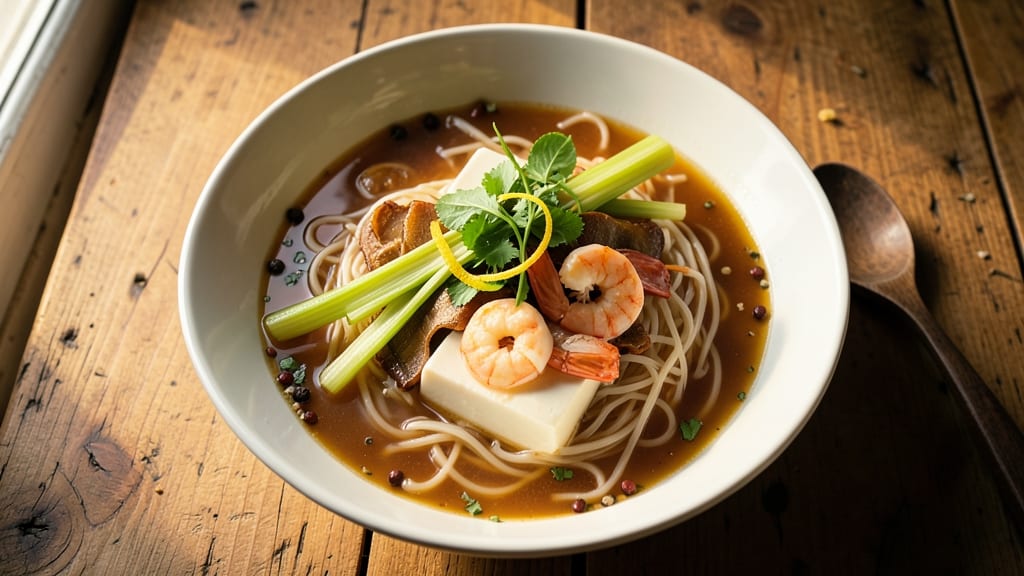
This bihun soup recipe brings the comforting flavors of Southeast Asia to your kitchen with its signature slippery rice noodles in a fragrant lemongrass-infused broth. 💛 The dish balances tender noodles, aromatic herbs, and a savory broth that’s both light and deeply satisfying—a perfect blend of textures and tastes.
Whether you're recreating a Malaysian classic or adapting it for your table, this recipe delivers restaurant-quality results with simple techniques. The secret lies in the broth, where lemongrass, galangal, and kaffir lime leaves infuse the liquid with bright, citrusy notes that cut through the richness of shrimp or tofu.
The noodles, known for their unique slippery texture, absorb the flavors beautifully while maintaining their signature chew. Garnishes like fresh cilantro, Thai basil, and lime wedges elevate the dish, adding freshness and a pop of color.
What makes this recipe special is its versatility—it’s hearty enough for a main course but light enough for a lunch or light dinner. The broth can be made ahead, allowing you to assemble the soup quickly when ready to serve.
Whether you’re serving it family-style or as a comforting solo meal, the aroma alone will draw everyone to the table. For added depth, consider incorporating optional ingredients like chili paste for heat or coconut milk for creaminess.
This dish is a celebration of Southeast Asian flavors, and it’s easier to make than you might think. Let’s get started!
Ingredients for bihun soup
These aromatic ingredients transform simple pantry staples into fragrant, restaurant-style bihun soup.
| Ingredient | Amount | Notes |
|---|---|---|
| Bihun Rice Noodles 🍜 | 8 oz | Fresh or dried, soaked per package |
| Lemongrass Stalks 🌿 | 3 whole | Bruised and cut into 2-inch pieces |
| Galangal Root 🌱 | 2 inches | Sliced thinly, substitute ginger if needed |
| Kaffir Lime Leaves 🍋 | 4 whole | Bruised and torn, or dried substitute |
| Shrimp 🦐 | 1 lb | Peeled, deveined, medium size |
| Tofu 🍫 | 1 block | Firm, cubed, for vegetarian option |
| Fresh Cilantro 🌿 | ½ cup | Chopped, stems included for garnish |
| Thai Basil 🌱 | ¼ cup | Chopped, for authentic flavor |
| Lime Wedges 🍋 | 4 whole | Fresh, for serving |
| Fish Sauce 💧 | 2 tbsp | Red Boat preferred for authentic taste |
| Soy Sauce 🥄 | 1 tbsp | Light or regular |
| Sugar 🍚 | 1 tbsp | White or brown, adjust to taste |
| Vegetable Oil 🫒 | 2 tbsp | For sautéing aromatics |
| Chili Paste 🌶️ | 1 tbsp | Optional, for heat (like sambal oelek) |
| Coconut Milk 🥥 | ½ cup | Optional, for creaminess |
Lemongrass and galangal are the soul of this soup—look for fresh stalks at Asian markets or well-stocked grocery stores. The brighter the green, the fresher the lemongrass; galangal should smell citrusy and peppery. Kaffir lime leaves are a game-changer—if you can't find them, dried leaves work but soak first. For the shrimp, medium size cooks perfectly without overpowering the broth. Tofu is a great vegetarian swap, but pat it dry first to avoid a watery soup. I always grab extra cilantro and Thai basil—they're worth the splurge for that authentic Southeast Asian vibe.
No lemongrass? Double the ginger and add a splash of lime juice. Galangal hard to find? Turmeric plus ginger mimics the flavor. Skip the fish sauce? Soy sauce plus a pinch of sugar gets you close. The chili paste is optional but recommended—sambal oelek is my go-to for instant heat. For coconut milk, full-fat canned works best—light versions won't add richness. The noodles? Fresh is ideal, but dried works if you soak them first. Just don't boil them—they should be tender but still hold shape.
Broth keeps for 3 days in the fridge, so make extra. The noodles are best served immediately, but you can prep everything else ahead. Store garnishes—cilantro, Thai basil, lime—in airtight containers with damp paper towels. Freeze broth portions for up to 3 months. I always double the broth recipe—it's perfect for leftovers or quick lunches. The soup actually tastes better the next day as flavors meld!
Why You'll Love This Recipe
- No Chopping Nightmare: I swear by this recipe because the hardest prep is slicing shrimp—everything else just sits. Lemongrass and galangal get a quick bruise with the flat side of my knife, and the kaffir lime leaves go straight in. Thirty minutes later, I’m eating instead of standing at the counter.
- Herb Bomb Flavor: That first spoonful? Chef’s kiss. The galangal’s peppery bite, lemongrass’s citrusy punch, and shrimp so tender they practically melt—all balanced by the noodles’ slippery, chewy perfection. It’s the kind of soup where you close your eyes and taste summer, even if you’re eating it in January.
- Lunchbox Hero: Between us, this is my secret weapon for meal prep. Cook a big batch, and the broth stays rich for days while the noodles soften just right when reheated. Pack it cold for work or warm it up—either way, my kids (and my picky husband) devour it. No sad leftovers here.
- Budget-Friendly Luxury: Fresh herbs and shrimp might sound fancy, but a few stalks of lemongrass and galangal stretch across multiple meals. Shrimp’s the star, but even a small pack goes a long way when paired with these aromatic roots. Honestly? It’s the most impressive soup I make for half the cost of takeout.
Step-by-step instructions for bihun soup
Let's create this fragrant, aromatic soup with tender shrimp and silky rice noodles.
👨🍳 Step 1: Prepare the Aromatic Base
First, bruise the 3 whole lemongrass stalks by gently pounding them with the side of your knife. Then cut them into 2-inch pieces and slice the 2 inches galangal root thinly. Tear the 4 whole kaffir lime leaves into rough pieces. Heat 2 tablespoons vegetable oil in a large pot over medium heat until shimmering.
Add the lemongrass, galangal, and kaffir lime leaves to the pot. Sauté for 3-4 minutes until the aromatics release their fragrance and the oil becomes fragrant. Here's the thing—don't rush this step. The longer you let these aromatics cook, the deeper the flavor will be in your broth. You'll know it's ready when the pot smells like a bustling Thai street market.
🍳 Step 2: Build the Flavorful Broth
Add the 1 lb shrimp to the pot and cook for 2-3 minutes until they turn pink and opaque. Remove the shrimp with a slotted spoon and set aside. To the same pot, add 1 tablespoon chili paste and stir for 30 seconds until it's evenly distributed and slightly darkened from the heat.
Pour in 4 cups water (enough to cover the ingredients) along with 2 tablespoons fish sauce, 1 tablespoon soy sauce, and 1 tablespoon sugar. Bring to a gentle boil over medium-high heat, then reduce to a simmer and cook for 10 minutes. This simmering time allows all the flavors to meld together beautifully. If you're using the 0.5 cup coconut milk, stir it in now and let it warm through.
👨🍳 Step 3: Cook the Protein and Noodles
Return the shrimp to the pot and simmer for another 2 minutes to heat through. While the broth is simmering, prepare the 8 oz bihun rice noodles according to the package instructions. Typically, this means soaking them in hot water for 10-15 minutes until they're soft and pliable. Drain any excess water and set aside.
For the tofu option, add the 1 block tofu (cubed) to the pot and simmer for 3-4 minutes until heated through. If you're not using tofu, skip this step. The noodles should go in last, so keep them ready to add. Here's a pro tip: if you're using dried noodles, you might want to soak them in warm broth instead of plain water for extra flavor.
🥘 Step 4: Assemble and Finish the Soup
Add the drained bihun rice noodles to the pot and gently stir to combine with the broth. Simmer for 2-3 minutes until the noodles are heated through and have absorbed some of the flavorful liquid. The noodles should be tender but still hold their shape—don't overcook them or they'll turn mushy.
Taste the broth and adjust the seasoning if needed. You might want to add a bit more fish sauce for saltiness or a touch more sugar to balance the flavors. Here's where the magic happens: stir in the 0.5 cup chopped fresh cilantro and 0.25 cup chopped Thai basil just before serving. These herbs add freshness and brightness to the rich, aromatic broth.
🍽️ Step 5: Serve with Garnishes
Ladle the hot bihun soup into bowls, making sure each serving has a generous portion of noodles, shrimp, and tofu (if using). Garnish each bowl with 1 lime wedge and a sprinkle of Thai basil for color and extra flavor. Serve immediately while the noodles are hot and the broth is steaming.
Here's the best part: the first bite should deliver a perfect balance of flavors—fragrant lemongrass and galangal, briny shrimp, silky noodles, and the freshness of lime and herbs. Don't forget to squeeze a little lime juice into your bowl before eating for that authentic tang. Enjoy your homemade bihun soup, a true taste of Southeast Asia!
Pro Tips For Making Bihun Soup
- Char Shrimp First: I learned this the hard way—don’t toss the shrimp into the broth raw. Sear them in a dry pan over high heat for 30 seconds per side until they turn opaque. The crust locks in flavor and prevents them from turning rubbery when they hit the soup.
- Slice Galangal Thin: Galangal loses its punch when you overcook it, so slice it paper-thin—about 1/8-inch thick—and add it late. If you’re using a frozen root, thaw it first and scrape off any slimy bits, or the broth will taste bitter.
- Noodles Need Space: Crowding the pot makes the bihun noodles clump like glue. Cook them in batches if needed, or stir them gently with a fork right after adding to the broth. They’ll separate properly and soak up flavor evenly.
- Toast Kaffir Leaves: Sounds weird, but it works: Lightly toast the kaffir lime leaves in a dry pan for 10 seconds before adding them to the broth. It deepens their aroma without overpowering the dish—just don’t let them burn, or the soup turns bitter.
Flavor customization for this recipe
Spicy Heat Level
For a mild kick, reduce the chili paste to just ½ tablespoon—this still adds depth without overwhelming. If you love heat, increase it to 2 tablespoons and add ½ teaspoon of red pepper flakes at the end for extra fire.
I like to serve sambal oelek on the side so everyone can adjust to taste. 🌶️
Creamy Variations
Swap the broth for a coconut milk-based version by simmering 1 can (13.5 oz) coconut milk with the aromatics instead of water. This creates a rich, velvety texture that pairs perfectly with the noodles.
For extra decadence, stir in 1 tablespoon of peanut butter at the end—it sounds odd but adds a delicious nutty depth.
Herb Swaps
Thai basil is key, but if you can’t find it, regular basil or mint works in a pinch. For a more authentic Southeast Asian touch, add ½ cup chopped Vietnamese coriander (rau răm)—its peppery bite cuts through the richness.
Fresh mint leaves also add brightness, especially if you’re making a spicy version.
Protein Alternatives
Beyond shrimp and tofu, try chicken thigh (bone-in for extra flavor) or pork belly (simmered until tender). For a vegan option, add mushrooms (shiitake or oyster) or jackfruit for a meaty texture. I’ve also seen clams or squid used in regional variations—just adjust cooking time to avoid overcooking.
Sweet-Tangy Balance
If your broth tastes too salty, balance it with 1 extra tablespoon of sugar or 1 teaspoon of honey. For a tangier twist, add 1 tablespoon of tamarind paste or a splash of lime juice at the end.
The acidity brightens the dish and makes every spoonful more vibrant. 🍋
Texture Play
For extra crunch, top with crushed peanuts or toasted sesame seeds. If you want chewiness, add thinly sliced cabbage or bean sprouts—they hold up well in the broth.
I also love tossing in quick-pickled carrots (soaked in rice vinegar and sugar) for a refreshing contrast to the rich flavors.
Nutrition facts
Frequently asked questions
Can I use dried bihun noodles instead of fresh?
Yes, but you’ll need to soak them first! Dried bihun noodles require 10-15 minutes in hot water until pliable. For extra flavor, soak them in warm broth instead of plain water. Fresh noodles are ideal, but dried ones work perfectly—just don’t overcook them or they’ll turn mushy.
What can I substitute if I can’t find galangal?
Use a mix of ginger and turmeric—about 1 teaspoon turmeric plus 1 tablespoon grated ginger per 2-inch galangal root. The turmeric adds that citrusy depth, while ginger brings the peppery kick. For authenticity, seek out galangal at Asian markets—it’s worth the hunt!
How do I make this soup vegetarian?
Skip the shrimp and use 1 block firm tofu (cubed) or mushrooms (shiitake or oyster) for protein. Boost umami with 1 tablespoon soy sauce or 1 teaspoon mushroom powder. For extra richness, stir in ½ cup coconut milk at the end. The broth will still be fragrant and satisfying!
Can I make the broth ahead of time?
The broth keeps for 3 days in the fridge or 3 months in the freezer. Reheat gently on the stove—never microwave, as it can dull the flavors. For best results, reheat without the noodles, then add them fresh when serving. The noodles are best cooked just before eating.
Why do my noodles turn mushy?
Overcooking is the usual culprit! Bihun noodles cook quickly—simmer them for only 2-3 minutes in the broth. If using dried noodles, soak them properly first. For extra insurance, drain them well before adding to the pot. The goal is tender but still slightly chewy, not soft.