
Soups & Stews
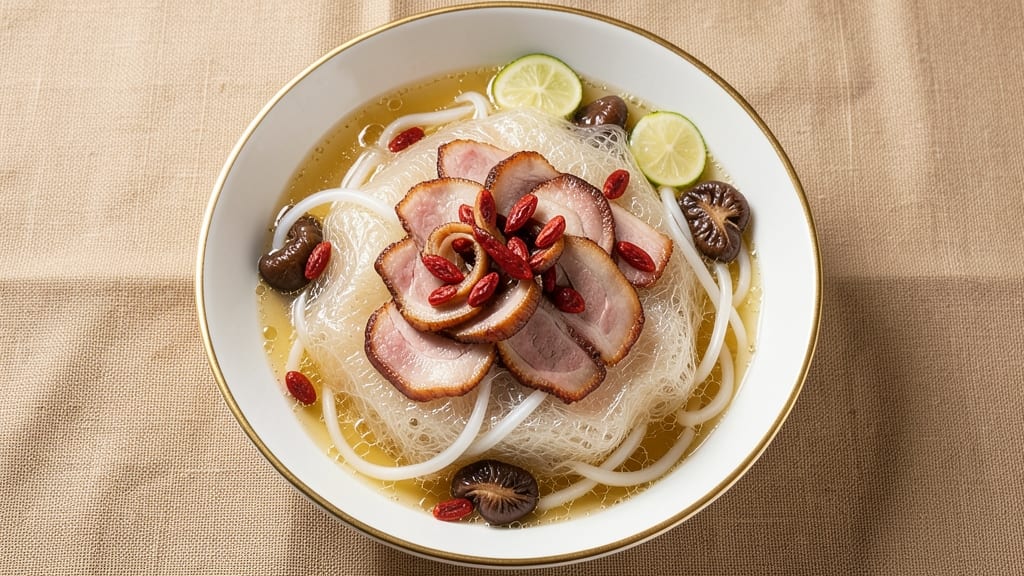
This Filipino-style bird’s nest soup delivers a luxurious blend of delicate glass noodles and a rich, savory ginger broth that’s both comforting and elegant. 🌟 The secret lies in properly soaking the bird’s nest to unlock its signature jelly-like texture, then simmering it with traditional ingredients like pork, goji berries, and fresh ginger for depth of flavor.
As a pescatarian dish, it’s both nourishing and deeply rooted in Filipino culinary tradition.
The beauty of this recipe is in its balance—tender bird’s nest strands floating in a fragrant broth that’s neither too sweet nor overly salty, but perfectly harmonized. I’ve refined this method over years to ensure the bird’s nest maintains its signature translucence while absorbing the aromatic flavors of the broth.
The addition of glass noodles adds a satisfying chewiness that complements the delicate texture of the bird’s nest.
By the time you finish this soup, you’ll have a dish that’s as visually stunning as it is delicious—clear strands of bird’s nest glistening against a golden broth, garnished with fresh herbs and a sprinkle of goji berries.
It’s the kind of meal that feels special enough for gatherings but simple enough to make at home. The preparation might require patience, but the result is worth every moment.
Perfect for special occasions or as a restorative meal, this soup embodies the essence of Filipino comfort food. Let’s bring this traditional dish to your table with confidence and authenticity.
Ingredients for birds nest soup recipe filipino style
Delicate strands, savory broth, and traditional Filipino flavors come together for this luxurious dish.
| Ingredient | Amount | Notes |
|---|---|---|
| Bird's Nest (Bird's Nest Soup Base) 🍄 | 1 oz | High-quality, ethically sourced |
| Pork Belly (Thinly Sliced) 🐖 | 8 oz | Substitute with shrimp for pescatarian |
| Dried Goji Berries 🍇 | ½ cup | Rinsed before use |
| Fresh Ginger (Sliced) 🧄 | 2 tbsp | Peeled, thinly sliced |
| Glass Noodles (Dried) 🍜 | 4 oz | Soaked separately |
| Dried Shiitake Mushrooms 🍄 | 4 whole | Rehydrated in warm water |
| Dried Scallops (Optional) 🦪 | ¼ cup | Rehydrated in water |
| Dried Tangerine Peel 🍊 | 1 tbsp | Candied for aroma |
| Rock Sugar (or Brown Sugar) 🍚 | 2 tbsp | Adjust to taste |
| Fresh Cilantro (Chopped) 🌿 | ¼ cup | For garnish |
| Green Onions (Sliced) 🧅 | 3 whole | For garnish |
| Chicken or Vegetable Broth 💧 | 4 cups | Low-sodium preferred |
| Sesame Oil 🫒 | 1 tsp | For finishing |
| Salt 🧂 | 1 tsp | Adjust to taste |
The bird's nest is the centerpiece—prioritize ethically sourced, high-quality nests from reputable suppliers like Filipino specialty markets or trusted online vendors. Look for nests that are clean, free of debris, and retain their signature translucent strands. For the pork belly, thinly sliced cuts ensure even cooking, but if you're strictly pescatarian, substitute with shrimp or scallops for a refined touch. Fresh ginger is essential for the aromatic base, so choose knobs with firm, blemish-free skin. Dried goji berries should be plump and vibrant—avoid shriveled or dusty batches that can indicate age or poor storage.
No dried shiitake mushrooms? Fresh shiitakes or oyster mushrooms work in a pinch, but rehydrate dried ones first for deeper umami. Dried scallops add a luxurious texture, but if unavailable, extra shrimp or white fish will suffice. The glass noodles must soak in warm water until pliable—never boiling, or they’ll turn mushy. For the broth, low-sodium chicken or vegetable stock ensures balance without overpowering the delicate flavors. If using rock sugar, adjust gradually—Filipino palates often prefer a subtle sweetness, but taste as you go.
This soup shines when made ahead—broth can be prepped a day in advance and reheated gently. Store the bird’s nest separately in the fridge, submerged in cold water, and add it just before serving to preserve its texture. Glass noodles keep for up to 3 days refrigerated in a sealed container with a splash of water. Garnishes like cilantro and green onions should be added fresh at the table. For a restaurant-worthy presentation, serve in clear bowls with a drizzle of sesame oil and a sprinkle of goji berries for visual contrast.
Why You'll Love This Recipe
- No-Chop Nightmare: I swear by this recipe when I’m too tired to slice anything—just thinly slice the pork belly (or grab pre-sliced if you’re really lazy), toss in the glass noodles and ginger, and let the bird’s nest base do the heavy lifting. The goji berries add zero effort but maximum texture.
- Umami Bomb: That first sip? The collagen from the pork belly and bird’s nest soup base melts into a velvety broth, while the ginger and goji berries balance it with a subtle heat and chewy bite. It’s the kind of soup that makes you pause mid-slurp—honestly, I’ve caught myself staring into my bowl like it’s magic.
- Gift-Worthy Effortless: Between us, this is my go-to for company when I don’t want to stress. The glass noodles soak up the flavor like sponges, the pork belly adds a luxurious touch without fuss, and the bird’s nest base screams “I put in effort” (even if I didn’t). Serve it in a pretty bowl, and suddenly you’re hosting a Michelin-starred meal.
- Leftovers That Don’t Suck: Unlike most soups that turn sad the next day, this one actually improves—the flavors deepen, and the glass noodles soften just enough to be perfect cold or reheated. I’ll be real: I’ve eaten it straight from the fridge at 2 PM on a Wednesday, and it still hits. Plus, the bird’s nest base stretches the broth, so you’re not drowning in leftovers. Win.
Step-by-step instructions for Filipino-style bird's nest soup
Master this delicate balance of textures and flavors with precise technique.
🍳 Step 1: Prepare the Bird's Nest and Rehydrate Components
Place the 1 oz bird's nest soup base in a heatproof bowl and cover it with 1 cup of hot broth (reserved from the 4 cups chicken or vegetable broth). Let it soak for 10 minutes—this gentle heat activates the collagen without overcooking. The strands will begin to unfurl and become plump, transforming from brittle to silky.
While the bird's nest soaks, prepare the remaining components. Rinse the 0.5 cup dried goji berries under cold water to remove any debris, then drain. Soak the 4 oz glass noodles in warm water for 15 minutes until pliable but still firm to the touch. For the 4 whole dried shiitake mushrooms, cover with warm water and let them rehydrate for 20 minutes—they should expand to about twice their original size. If using, rehydrate the 0.25 cup dried scallops in water for 10 minutes as well.
🔥 Step 2: Sear the Pork Belly and Build the Broth Base
Heat a large pot over medium-high heat and add the 8 oz thinly sliced pork belly in a single layer. Let it sear undisturbed for 2-3 minutes until the edges turn golden and crispy. This step develops deep flavor through the Maillard reaction—don't rush it. Once browned, remove the pork and set aside.
In the same pot, add 2 tbsp sliced fresh ginger and sauté for 30 seconds until fragrant but not browned. Pour in the remaining 4 cups broth and bring to a gentle simmer. Add the 1 tbsp dried tangerine peel, 2 tbsp rock sugar, and 1 tsp salt. Let the broth simmer for 10 minutes to meld the flavors. The sugar will caramelize slightly, adding subtle sweetness to balance the savory notes.
🥘 Step 3: Combine and Simmer the Soup
Return the seared pork belly to the pot and add the rehydrated shiitake mushrooms (sliced), glass noodles (drained), and goji berries. Simmer gently for 8-10 minutes—the broth should remain clear with just a hint of cloudiness. The glass noodles should be tender but still hold their shape, and the pork belly should be fork-tender with slightly crispy edges.
Here's the delicate part: carefully strain the bird's nest using a fine-mesh sieve or cheesecloth, reserving the soaking liquid. Gently fold the bird's nest into the soup and return it to the pot. Simmer for an additional 3-4 minutes—just enough to warm through without overcooking the delicate strands. The bird's nest should float gracefully, its texture resembling delicate seaweed.
🍽️ Step 4: Finish and Serve with Precision
Remove the pot from heat and let the soup rest for 2 minutes to allow flavors to settle. Drizzle in 1 tsp sesame oil and gently stir. The oil should coat the surface, adding a subtle nutty aroma and rich mouthfeel. Taste and adjust seasoning with additional salt if needed—Filipino soups often balance sweet, sour, and umami, so aim for harmony rather than intensity.
Ladle the soup into bowls, garnishing each serving with 0.25 cup chopped fresh cilantro and 3 sliced green onions. The contrast of textures—silky bird's nest, chewy glass noodles, tender pork, and crispy garnishes—creates the signature Filipino dining experience. Serve immediately while the bird's nest maintains its delicate texture and the broth remains steaming hot.
Pro Tips For Making Birds Nest Soup Recipe Filipino Style
- Bloom the Nest First: Soak the bird’s nest soup base in hot water for 10-15 minutes before adding other ingredients—it releases its delicate flavor instead of hiding in the bottom. I learned this the hard way when I tossed it in cold; the broth ended up cloudy and weak.
- Sear Pork Belly in Batches: Thinly sliced pork belly burns fast, so work in 2-3 batches over medium-high heat until golden. Crowding the pan steams the meat instead of searing it, and you’ll end up with soggy slices in your soup.
- Rehydrate Glass Noodles Separately: Soak the dried glass noodles in warm water for 5 minutes before adding them to the broth—they’ll soften evenly and not turn mushy. Trust me, your future self will hate scraping them off the bottom of the pot.
- Toast Goji Berries Lightly: Warm the dried goji berries in a dry pan for 30 seconds until fragrant—this cuts their bitterness and deepens their sweetness. Skip this, and they’ll just sit like raisins in your soup, underwhelming the whole dish.
Common mistakes when making great birds nest soup recipe filipino style
Over-Soaking Bird's Nest
I’ve ruined more bird’s nest soups than I’d admit by leaving the nest soaking too long—more than 15 minutes turns those delicate strands into a mushy, flavorless mess. The collagen breaks down completely, losing its signature jelly-like texture.
Instead, soak for exactly 10-12 minutes in hot broth (never boiling water), then strain and fold it into the soup just before serving. This keeps it plump and translucent, not limp. 🌟
Skipping the Sear
The pork belly’s sear is non-negotiable for depth of flavor. If you skip it or rush the 2-3 minutes per side, your broth will taste flat and one-dimensional. The Maillard reaction creates those rich, caramelized notes that elevate the entire dish.
Pro tip: Use a cast-iron skillet for even heat distribution—it’s worth the investment for this step alone.
Boiling the Glass Noodles
Glass noodles are not like regular pasta—they dissolve in boiling water. Soaking them in warm (not hot) water for 15 minutes is key. I’ve seen cooks drop them straight into simmering broth, only to watch them turn to mush.
For extra insurance, drain them well before adding to the soup and toss them in a bit of cornstarch slurry (1 tsp cornstarch + 2 tbsp water) to help them hold their shape.
Overcrowding the Pot
Filipino soups thrive on clarity and balance, but overcrowding the pot with too many ingredients at once leads to muddy broth and uneven cooking. Add components in stages: first the aromatics (ginger, tangerine peel), then the pork and mushrooms, followed by the glass noodles and goji berries.
The bird’s nest goes in last—ever. This keeps the broth bright and the textures distinct.
Ignoring the Resting Time
Rushing the 2-minute rest after simmering is a rookie mistake. This short pause lets the flavors settle and the bird’s nest replump after being folded in. Skipping it results in a soup that’s either too hot to enjoy or where the bird’s nest collapses into the broth.
Think of it like resting meat—patience pays off in texture and taste. ✨
Over-Salting the Broth
Filipino soups balance sweet, sour, and umami, but salt can easily overpower the delicate bird’s nest. Start with just 1 tsp salt and taste as you go. The rock sugar and tangerine peel already add subtle sweetness, so resist the urge to season aggressively.
Remember, you can always add more salt later, but you can’t take it out. Trust the process—Filipino palates prefer harmony over intensity.
Nutrition facts
Frequently asked questions
What makes Filipino-style bird's nest soup different from Chinese versions?
Filipino bird's nest soup often includes glass noodles and pork belly for a heartier texture, while Chinese versions may use more seafood like abalone or fish maw. The Filipino version also balances sweet (rock sugar) and umami (shiitake mushrooms) differently, creating a subtly sweeter broth that complements the delicate bird's nest.
Can I substitute pork belly with another protein?
For a pescatarian version, use shrimp or scallops—they add a briny depth that works beautifully. If avoiding meat entirely, tofu or mushrooms can mimic the texture, though searing them first is key for flavor. Just reduce the cooking time slightly to prevent overcooking.
How do I know when the bird's nest is properly soaked?
The bird's nest should transform from brittle to plump and translucent after 10-12 minutes in hot broth. Gently separate the strands with chopsticks—they should unfold easily without breaking. If they feel mushy or dissolve, you’ve over-soaked. Strain immediately and add to the soup just before serving.
Can I make this soup ahead of time?
Yes! Prepare the broth and ingredients up to 24 hours ahead, but store the bird's nest separately in cold water. Reheat the broth gently, then add the bird's nest and glass noodles just before serving. This preserves their delicate textures. Garnishes like cilantro and green onions should always be added fresh.
What’s the best way to store leftover bird’s nest?
Submerge leftover bird’s nest strands in cold water in an airtight container and refrigerate for up to 3 days. To reheat, gently warm in a pot with a splash of broth—never boil. For longer storage, freeze the strands in broth for up to 1 month, but thaw slowly in the fridge before using.