
Soups & Stews
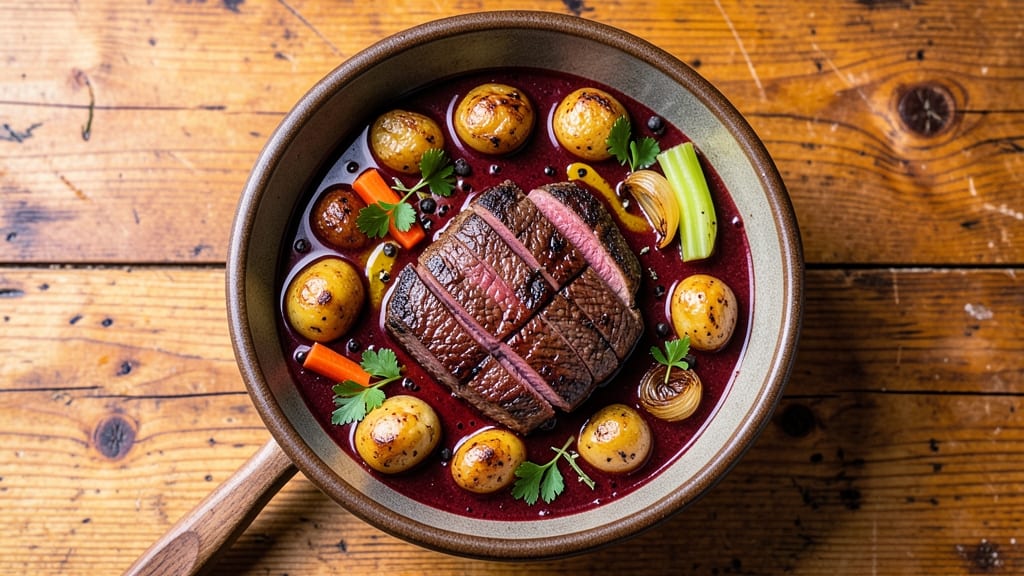
This Black Angus restaurant steak soup recipe transforms tough cuts into melt-in-your-mouth shredded beef swimming in a deep, aromatic broth. The secret lies in searing the steak first—creating a rich, caramelized foundation that infuses every spoonful.
What starts as a simple pot of simmering vegetables and beef becomes a velvety, restaurant-quality soup where the beef practically dissolves on your tongue.
The process is straightforward but requires patience: high-heat searing for depth of flavor, followed by a slow simmer that tenderizes the beef without losing texture.
I use a blend of onions, carrots, and celery to build a classic mirepoix, then add potatoes for heartiness and a splash of red wine to brighten the broth. The result? A soup so rich and satisfying, it feels like a hug in a bowl.
By the time you're done, you'll have a steaming pot of soup where each bite delivers tender beef, creamy vegetables, and a broth so flavorful it stands up to crusty bread on the side.
The key is letting it simmer low and slow—this isn't something you can rush. It's the kind of soup that disappears quickly, leaving everyone asking for seconds.
Perfect for chilly evenings or as a comforting meal after a long day, this recipe serves 6 and takes about 3 hours from start to finish.
The prep is simple, but the reward is worth every minute of simmering. Let's get started on creating your own restaurant-worthy bowl of steak soup.
Ingredients for black angus restaurant steak soup
Six ingredients transform tough beef into melt-in-your-mouth shreds swimming in rich, aromatic broth.
| Ingredient | Amount | Notes |
|---|---|---|
| Black Angus Chuck Roast 🥩 | 2 ½ lb | Tough cut for slow cooking |
| Yellow Onions 🧅 | 2 whole | Chopped, medium dice |
| Carrots 🥕 | 3 medium | Peeled, cut into chunks |
| Celery Stalks 🧄 | 3 whole | Chopped, medium dice |
| Russet Potatoes 🥔 | 2 lb | Peeled, cut into chunks |
| Red Wine 🍷 | 1 cup | Bold, dry variety |
| Beef Broth 💧 | 6 cups | Low-sodium preferred |
| Tomato Paste 🍅 | 2 tbsp | Smooth, no sugar added |
| Garlic Cloves 🧄 | 4 cloves | Minced for depth |
| Fresh Thyme 🌿 | 1 tbsp | Leaves only, chopped |
| Bay Leaves 🍃 | 2 whole | Dried, standard size |
| Olive Oil 🫒 | 2 tbsp | Extra-virgin for richness |
| Salt 🧂 | 1 ½ tsp | Kosher or sea salt |
| Black Pepper 🌶️ | 1 tsp | Freshly ground preferred |
| Fresh Parsley 🌿 | ¼ cup | Chopped, for garnish |
The Black Angus chuck roast is non-negotiable here—it's packed with marbling that melts into the broth. Costco or Whole Foods usually carry it pre-cut for convenience, but if you're buying a whole roast, ask the butcher to trim off any large fat caps. Look for vibrant red meat with good marbling—this is what gives your soup that luxurious richness. The potatoes? Russets are your best bet—they hold up to long simmering without turning mushy. If you're short on time, baby potatoes work too, but they'll break down faster.
No red wine? Substitute with beef broth plus 1 tbsp balsamic vinegar—it adds that same tangy depth. Fresh thyme is ideal, but dried works at one-third the amount. The tomato paste can be skipped if you prefer, but it adds a subtle sweetness that balances the wine's acidity. For the mirepoix (onions, carrots, celery), any ratio works, but I stick to 2:3:3 because that's what I grew up with. If you're using pre-chopped frozen veggies, thaw and drain them well—no one wants watery soup. The beef broth? Low-sodium is key—you'll be adding plenty of salt later.
This soup tastes even better the next day as flavors meld, so double the batch if you can. Store in airtight containers for up to 5 days in the fridge, or freeze for 3 months. I like to portion it into individual containers for easy lunches—just reheat with a splash of water or broth. The beef will shred beautifully when reheated gently. For serving, a sprinkle of fresh parsley and a crack of black pepper makes all the difference. Leftovers? Perfect for turning into beef soup sandwiches the next day.
Why You'll Love This Recipe
- I’ll be real: Black Angus isn’t cheap, but a single roast stretches to four hearty servings, making it way more affordable than ordering steak out. And since it’s a slow-cooked deal, you’re getting restaurant-level quality without the markup—just cheaper, tastier leftovers for days.
- One-Pot Magic: I swear by this—just toss everything in one pot, walk away, and come back to restaurant-quality depth of flavor. No chopping like a pro, no fancy techniques: the chuck roast practically melts into tender shreds while the onions caramelize right in the broth.
- Rich, Meat-Centric Flavor: Between us, this isn’t your grandma’s soup. The Black Angus chuck roast turns unbelievably tender, soaking up all the savory notes from the onions and celery until every spoonful tastes like a bite of a perfectly cooked steak—just softer. The potatoes add that hearty, creamy contrast, but the beef? That’s the star.
- Weeknight Crowd-Feeder: Honestly, this is my go-to when friends drop by unannounced. It’s filling enough for a family dinner but still light enough to leave room for garlic bread. Plus, the leftovers? Even better the next day—if they last that long.
Step-by-step instructions for slow-simmered Black Angus steak soup
Here's how to transform tough chuck roast into fork-tender beef with deep, restaurant-quality flavor.
🍳 Step 1: Sear the Chuck Roast for Maximum Flavor
Heat a large Dutch oven over medium-high heat and add the 2 tablespoons olive oil. Once shimmering, place the 2.5 lb Black Angus Chuck Roast in the pot and sear on all sides until deeply browned—about 8-10 minutes total. This step develops the rich, meaty foundation of your soup.
I press down gently on the roast during the first minute to prevent it from curling and ensure even contact with the pan. The goal is to create a deep, caramelized crust that will slowly dissolve into the broth during the long simmer. Don't rush this—patience here means better flavor later.
👨🍳 Step 2: Build the Flavor Base with Vegetables and Wine
Remove the roast and set it aside. In the same pot, add 2 tablespoons olive oil (if needed) and sauté the chopped 2 whole yellow onions, 3 medium carrots, and 3 whole celery stalks for 5-6 minutes until softened but not browned. This aromatic vegetable mix forms the flavor backbone of your soup.
Add the 4 cloves minced garlic cloves and cook for 30 seconds until fragrant. Then stir in the 2 tablespoons tomato paste and cook for another 1 minute to deepen the color. Pour in the 1 cup red wine and scrape up any browned bits from the bottom—this releases all that concentrated flavor you just built.
🥘 Step 3: Simmer the Roast Until Fork-Tender
Return the roast to the pot and add the 6 cups beef broth, 1.5 teaspoons salt, 1 teaspoon black pepper, 1 tablespoon chopped fresh thyme, and 2 whole bay leaves. Bring to a gentle boil, then reduce heat to low and cover partially. Simmer for 2-2.5 hours until the beef is fork-tender and easily shreds.
Here's the thing—I check the roast at the 2-hour mark to see if it's close to being done. If it's not quite there, I add another 30 minutes of simmering time. The meat should pull apart easily with two forks, and the broth should have reduced slightly to concentrate the flavors.
🍳 Step 4: Add Potatoes and Finish the Soup
Remove the roast and shred it using two forks, discarding any large fat pieces. Return the shredded beef to the pot. Add the 2 lb peeled and cut russet potatoes and simmer uncovered for an additional 20-25 minutes until the potatoes are tender and the soup has thickened slightly.
Taste and adjust seasoning—you might need a touch more salt or pepper, depending on your broth. The potatoes should be soft enough to mash slightly with a fork, but still hold their shape. If the soup is too thick, add a splash of water or broth to reach your desired consistency.
🍽️ Step 5: Garnish and Serve Warm
Remove the 2 whole bay leaves and ladle the soup into bowls. Garnish each serving with 1 tablespoon chopped fresh parsley for a pop of color and freshness. I like to serve this with crusty bread to soak up all that rich, beefy broth.
This soup tastes even better the next day as the flavors continue to meld. The beef should be incredibly tender, falling apart at the touch of a fork, while the broth remains rich and flavorful. Each bite delivers that deep, meaty satisfaction you'd expect from a restaurant-quality steak soup.
Pro Tips For Making Black Angus Restaurant Steak Soup
- Sear the Chuck First: Hit that Black Angus chuck with a screaming-hot cast-iron or Dutch oven—no rushing. Three minutes per side until it’s deep brown, not just pink. I used to skip this, and the soup tasted like it was missing something. Now? Rich, caramelized flavor in every bite.
- Chop Potatoes Evenly: Cut those Russets into 1-inch cubes, not random chunks. Uniform size means they cook at the same rate—no mushy bits or undercooked centers. (Yes, it takes 10 extra seconds. No, you won’t regret it.)
- Don’t Crowd the Pot: Start the onions, carrots, and celery in one layer, then add the chuck on top. If you dump everything in at once, the veggies steam instead of brown. Patience here = deeper flavor.
- Deglaze with Red Wine: After searing the chuck, splash in 1 cup of dry red wine (like Cabernet) and let it bubble for 2 minutes. That’s where the restaurant-level depth comes from—not just broth. (Skip it? You’ll notice the difference.)
Common mistakes when making this recipe
Skipping the Sear
This is the #1 mistake I see home cooks make—they skip searing the beef entirely. Without that initial caramelization, your soup will lack depth and richness. The Maillard reaction creates thousands of flavor compounds that dissolve into the broth during simmering.
I always sear my 2.5 lb Black Angus chuck roast on all sides until deeply browned—about 8-10 minutes total. Pro tip: Use a Dutch oven for even heat distribution and better browning. 🔥
Underestimating Simmer Time
Rushing the simmer is another common error. Chuck roast needs 2-2.5 hours of gentle simmering to become fork-tender. I've seen people cut this time in half and end up with tough, chewy beef.
The key is maintaining a gentle boil—not a rolling boil—that keeps the meat tender while allowing flavors to meld. I check at the 2-hour mark and add another 30 minutes if needed.
Overloading the Pot
Crowding your Dutch oven with too much liquid or ingredients will dilute the flavors. I use exactly 6 cups beef broth for this recipe—not more—and keep the vegetable ratio balanced.
If your soup looks watery after simmering, reduce it uncovered on medium-low heat for 10-15 minutes. Never add extra liquid without tasting first—sometimes the broth reduces more than expected.
Ignoring the Fat
Leaving large fat pieces in the soup can make it greasy. After shredding the beef, I skim off any visible fat before returning it to the pot.
For extra richness without greasiness, I reserve 2 tablespoons of the rendered fat from the initial searing and add it back at the end. This adds depth without making the soup heavy. A fine-mesh strainer helps remove any remaining fat bits.
Skipping the Bay Leaves
These might seem insignificant, but bay leaves add subtle earthy notes that elevate the soup. I always use 2 whole dried bay leaves and remove them before serving.
If you forget, don't worry—they're harmless, just less flavorful. For an extra boost, I sometimes add ½ teaspoon ground allspice along with the bay leaves for warmth.
Over-Salting Early
Adding all the salt at once can make your soup taste bland later. I add only 1.5 teaspoons kosher salt during the initial simmer, then taste and adjust at the end. Remember, the beef broth may already contain some sodium.
For extra flavor without over-salting, I finish with a pinch of smoked paprika or a splash of red wine vinegar—both add complexity without altering salt levels.
Nutrition facts
Frequently asked questions
Can I use a different cut of beef instead of Black Angus chuck roast?
While chuck roast is ideal for its marbling and tenderness, you can substitute with chuck eye roast or bottom round roast. Avoid lean cuts like sirloin—they won't become tender enough. For best results, look for beef with at least 10% fat content to ensure rich flavor and juiciness during the long simmer.
How do I make this soup in a slow cooker?
Transfer the seared roast and sautéed vegetables to your slow cooker, then add all remaining ingredients. Cook on low for 8 hours or high for 5-6 hours. The slow cooker's gentle heat will tenderize the beef perfectly. Just shred the meat carefully—it may fall apart more easily than with stovetop cooking.
Can I make this soup ahead of time?
This soup tastes even better the next day! Store in airtight containers for up to 5 days in the fridge. For freezing, portion into individual containers and freeze for 3 months. Reheat gently on low heat, adding a splash of water or broth if needed. The flavors deepen overnight, making it perfect for meal prep.
What can I serve with this steak soup?
This hearty soup pairs perfectly with crusty bread, garlic rolls, or grilled cheese sandwiches. For a complete meal, add a simple green salad with a red wine vinaigrette. The rich, beefy flavors stand up well to bold sides like roasted Brussels sprouts or sautéed mushrooms.
Why does my soup taste bland after simmering?
Bland flavor usually means insufficient seasoning or lack of fat. Ensure you're using low-sodium broth and add salt gradually. Skim excess fat before serving, but save 2 tablespoons of rendered fat from the searing to add back at the end for richness. A splash of red wine vinegar or Worcestershire sauce can also boost umami depth.