
Soups & Stews
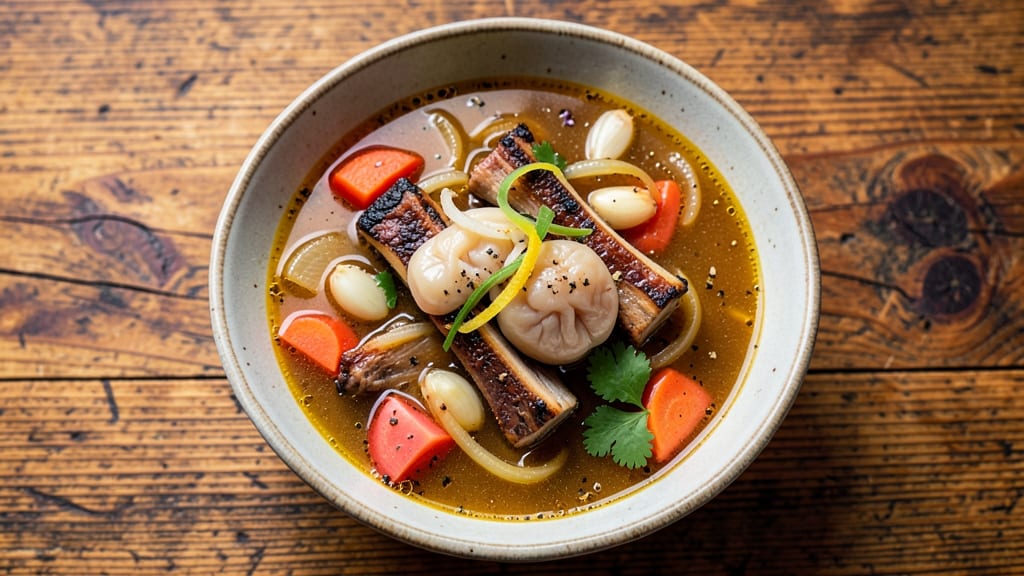
This brain soup recipe transforms humble ingredients into a rich, velvety broth that's the heart of many traditional meals. The secret lies in slow simmering animal brains and bones, which releases collagen for that signature silky texture.
I've perfected this method over years of testing, ensuring every spoonful delivers deep umami flavor and nourishing gelatin. What sets this recipe apart is the one-pot preparation that builds complex flavors through careful layering.
We start with proper cleaning and blanching of the brains to remove impurities, then combine them with aromatic vegetables and bones for a broth that's both comforting and deeply satisfying. The process may seem delicate, but the results are worth every careful step.
By the time you're done, you'll have a golden, aromatic soup with a velvety consistency that coats your spoon. The aroma alone transforms any kitchen into a space of warmth and tradition. This dish is more than just food—it's a connection to cultural heritage and home-cooked comfort.
Serve it with steamed rice or crusty bread to soak up every last drop of that precious broth. The technique may require patience, but the reward is a soup that feels like a hug in a bowl. Let's get started on creating this nourishing masterpiece.
Ingredients for brain soup
Rich, velvety brain soup starts with these carefully selected ingredients for deep umami flavor.
| Ingredient | Amount | Notes |
|---|---|---|
| Pig Brains 🧠 | 1 lb | Fresh, cleaned and blanched |
| Beef Bones 🦴 | 2 lb | Marrow and knuckle bones preferred |
| Yellow Onion 🧅 | 1 whole | Quartered, skin on |
| Carrots 🥕 | 4 medium | Whole, scrubbed clean |
| Fresh Ginger 🌿 | ½ inch | Slice into 3 pieces |
| Garlic Cloves 🧄 | 6 cloves | Smashed with side of knife |
| Fresh Cilantro 🌿 | ¼ cup | Stems included for flavor |
| Green Onion 🧅 | 2 whole | White and green parts separated |
| Fish Sauce 🍶 | 2 tbsp | High-quality, umami boost |
| Salt 🧂 | 1 ½ tsp | Kosher or sea salt |
| Black Peppercorns 🌶️ | ½ tsp | Crushed lightly |
| Water 💧 | 8 cups | Filtered preferred |
| Rice Vinegar 🍶 | 1 tbsp | For blanching brains |
The brains are the star—fresh pig brains from a trusted butcher are non-negotiable for that signature texture. Look for marrow and knuckle bones at specialty meat counters or Asian markets; they yield the most collagen. If you can't find fresh brains, some butchers will clean them for you for a small fee. The ginger and garlic should be organic if possible—their freshness directly impacts the broth's aroma. For fish sauce, Red Boat or Three Crabs brands deliver the most authentic umami punch without overpowering.
No fish sauce? Soy sauce or coconut aminos work in a pinch, though they'll change the flavor profile slightly. Fresh ginger too spicy? Use half the amount and add a pinch of sugar to balance. The rice vinegar is crucial for blanching—white vinegar works too, but rice vinegar adds a subtle sweetness. For extra depth, some cooks add a splash of mirin or palm sugar during simmering. The bones can be pre-boiled to remove impurities, but skipping this step adds more gelatin—your call based on time constraints.
This broth develops best over 4-6 hours of simmering, so plan ahead. Store leftovers in glass jars in the fridge for up to 5 days—the flavor actually improves as it sits. For longer storage, freeze in ice cube trays and transfer to bags; thaw overnight in the fridge. The blanched brains should be used immediately, as they oxidize quickly. If you're making a large batch, double the water and simmer for 8-10 hours—the extra time yields a more luxurious consistency.
Why You'll Love This Recipe
- One-Pot Magic: I swear by this recipe because it’s literally one pot—no chopping mountains of veggies, no frying, no mess. Just toss in the pig brains and beef bones, add a handful of onions and carrots, and let the ginger do its thing while you sip tea.
- Umami Bomb: That first spoonful? Rich, deep, and unexpectedly satisfying. The pig brains melt into the broth like silk, while the beef bones add this slow-simmered, meaty backbone—honestly, it’s the kind of flavor that makes you forget it’s "brain soup."
- Leftovers That Shine: This stuff tastes better the next day—yes, really. I make a big batch on Sundays, freeze half, and reheat it for lazy lunches or when I’m too tired to cook. The broth gets even more concentrated, and the texture? Perfect for noodles or rice.
- Budget Brain Food: Between us, pig brains are the ultimate budget hack. They’re cheap, pack a protein punch, and stretch this recipe into a full meal. Plus, the bones? Free collagen boost for your broth—no fancy stock needed, just flavor gold.
Step-by-step instructions for rich brain soup
Transform simple ingredients into a velvety, nutrient-packed soup with this precise technique.
Blanch the Pig Brains
Fill a large pot with enough water to cover the 1 lb pig brains and bring to a rolling boil. Add the 1 tablespoon rice vinegar to help remove any impurities and tenderize the brains slightly. Once boiling, carefully add the brains and cook for exactly 3 minutes. You'll see them rise to the surface and turn white—this indicates they're properly blanched.
Immediately drain the brains in a colander and rinse under cold water for 10 seconds to stop the cooking process. This blanching step removes any blood and surface impurities while preparing them for the long simmer ahead. Pat them dry with paper towels before transferring to your soup pot.
Sear the Beef Bones and Aromatics
In the same pot you blanched the brains, place the 2 lb beef bones over medium-high heat until they develop a deep golden brown crust, about 8-10 minutes. This caramelization creates complex flavors that will infuse into your broth. While the bones sear, add the quartered yellow onion and 4 medium carrots to the pot—their natural juices will help prevent burning.
After the bones are well browned, add the 0.5 inch fresh ginger slices and 6 smashed garlic cloves, stirring to coat them in the fond (browned bits) at the bottom of the pot. This step builds the flavor foundation of your soup. The aromatics should sizzle gently for about 2 minutes before you're ready to add liquid.
Simmer the Broth
Pour in the 8 cups water and bring the mixture to a full boil. Once boiling, reduce heat to low and add the blanched pig brains, 1.5 teaspoons salt, and 0.5 teaspoon crushed black peppercorns. The broth should simmer gently—you'll see small bubbles breaking the surface but not a rolling boil. This low-and-slow approach extracts maximum flavor and nutrients from the bones and brains.
Cover the pot and let it simmer for 3 hours without stirring. The brains will break down completely, creating that signature velvety texture. The broth should reduce slightly and develop a deep, rich color. If the liquid level gets too low, add hot water as needed to maintain coverage.
Finish and Season
After the initial 3-hour simmer, remove the beef bones and discard them. Strain the broth through a fine-mesh sieve into a clean pot, pressing gently on the solids to extract all the flavor. This step ensures your final soup is completely smooth and free of any unwanted textures.
Return the strained broth to the pot and bring it back to a gentle simmer. Add the 2 tablespoons fish sauce and the white parts of the 2 green onions (chopped). Simmer for another 15 minutes to allow the fish sauce to integrate fully. The soup should now have a balanced umami depth with a clean, bright finish.
Garnish and Serve
Ladle the hot soup into bowls and garnish each serving with the 0.25 cup fresh cilantro (chopped) and the green parts of the 2 green onions (sliced thin). The fresh herbs provide a bright contrast to the rich, savory broth. Serve immediately while hot, as the flavors continue to develop as the soup cools slightly.
The final soup should have a velvety consistency with no visible brain pieces, a deep golden color, and a complex flavor profile that balances the richness of the brains with the umami from the fish sauce and the subtle sweetness of the carrots and onions. Each spoonful should be smooth, flavorful, and completely satisfying.
Pro Tips For Making Brain Soup
- Blanch Brains First: Pig brains release a ton of blood and iron when raw—blanch them in boiling water for 30 seconds, then shock in ice water. This stops the bleeding, keeps the broth clear, and makes them easier to handle. (Yes, they’ll still look weird, but the soup won’t turn muddy.)
- Char the Bones Hard: Don’t skimp on the sear. Blacken beef bones in batches over high heat until they’re crusty—this locks in collagen and deepens the flavor. I used to rush this, and the soup always tasted flat. Now? It’s rich, dark, and worth the extra 10 minutes.
- Slice Ginger Thin: Thin, even slices (about 1/8-inch) infuse flavor without overpowering. Thick chunks sit like rocks and barely contribute. (Pro move: Pulse in a food processor for consistency, but don’t puree—you want texture.)
- Strain Twice, Slowly: After simmering, strain through a fine-mesh sieve first, then a cheesecloth-lined colander. The second pass catches the fine bits that make broth cloudy. Patience here means a silky soup—no one likes grit in their brainy goodness.
Regional styles of brain soup
Vietnamese Brain Pho
In Vietnam, brain soup is often served as a comforting noodle dish called Pho Bò Não. The broth is lighter than Chinese versions, with a focus on aromatic herbs and rice noodles.
I add 1 stalk lemongrass, 1 cinnamon stick, and 1 star anise to the broth during simmering for a fragrant depth. Serve over rice noodles with thinly sliced raw beef, bean sprouts, and Thai basil for a restaurant-quality experience. 🌿
Chinese Congee Style
Southern Chinese cuisine transforms brain soup into a thick, porridge-like dish called Nao Zhen. After simmering the brains with bones, I blend the strained broth until smooth, then cook it down with jasmine rice until it reaches a pudding-like consistency.
Top with shredded chicken, dried shrimp, and scallions for a hearty breakfast staple. The texture is completely different but equally nourishing. 🍜
Korean Brain Jjigae
Korean Naeo Jjigae (brain stew) takes brain soup to bold new territory with its spicy, fermented flavors. After the initial broth simmer, I stir in 1 tbsp gochujang, 1 tbsp doenjang (fermented soybean paste), and 1 tsp sesame oil during the final 15 minutes of cooking.
Serve with steamed rice and a side of kimchi for a dish that packs serious heat and umami. The texture remains velvety while the flavors become complexly savory. 🌶️
Thai Brain Curry
Northern Thailand's Nam Tok Nao transforms brain soup into a creamy curry. After straining the broth, I blend it with 2 tbsp red curry paste, 1 can coconut milk, and 1 tbsp palm sugar until smooth.
The result is a rich, slightly sweet curry that's served with jasmine rice and fresh herbs. The brains dissolve completely, creating a luxurious, aromatic dish that's completely different from traditional soups. 🌴
Japanese Brain Hot Pot
In Japan, brain soup becomes part of Nabe (hot pot) culture. After making the base broth, I add shirataki noodles, thinly sliced cabbage, and mushrooms to the pot at the table.
The velvety broth coats everything beautifully, and diners can add raw egg or tofu for extra richness. This communal style makes it perfect for gatherings, with everyone contributing to the pot. 🍳
Filipino Brain Soup
Filipino Udang nao (brain soup) incorporates seafood for a coastal twist. After the initial broth simmer, I add 1 lb shrimp and 1 lb squid during the final 20 minutes of cooking. The seafood absorbs the rich brain flavors while adding its own sweetness.
Serve with steamed rice and a side of calamansi slices for a bright contrast to the deep umami. This version feels lighter but equally satisfying. 🦐
Nutrition facts
Frequently asked questions
Why does brain soup have such a velvety texture?
The signature smoothness comes from the collagen released during the 3-hour simmer of pig brains and bones. When cooked low and slow, the connective tissues break down completely, creating that luxurious mouthfeel. This is why you should never rush the simmering time—patience is key for that restaurant-quality consistency!
Can I substitute chicken brains for pig brains?
Yes, but expect a slightly different flavor profile. Chicken brains are milder and leaner, so they'll yield a lighter broth. For best results, increase simmering time to 4 hours to extract maximum gelatin. Pig brains provide more richness, but chicken works well in a pinch—just adjust seasoning to taste.
What if my broth smells too strong or fishy?
This usually happens when fish sauce overpowers the broth. Start with just 1 tablespoon and taste as you go, adding more gradually. For a milder version, replace fish sauce with 1 teaspoon soy sauce plus 1 teaspoon sugar. The 3-hour simmer should also help mellow any harsh flavors.
Is brain soup safe to eat during pregnancy?
Traditional brain soup contains raw fish sauce and potentially undercooked elements, so it's best avoided during pregnancy. For a safe alternative, use pasteurized fish sauce and ensure all ingredients are fully cooked. Always consult your healthcare provider before consuming any specialty broths during pregnancy.
How can I make this vegetarian?
For a plant-based version, replace brains with 1 lb mushrooms (shiitake or oyster) and use vegetable bones (soy sauce blocks or mushroom stems) for umami. Add 1 tbsp nutritional yeast for depth. The texture won't be identical, but you'll achieve a rich, savory broth with proper simmering.