
Soups & Stews
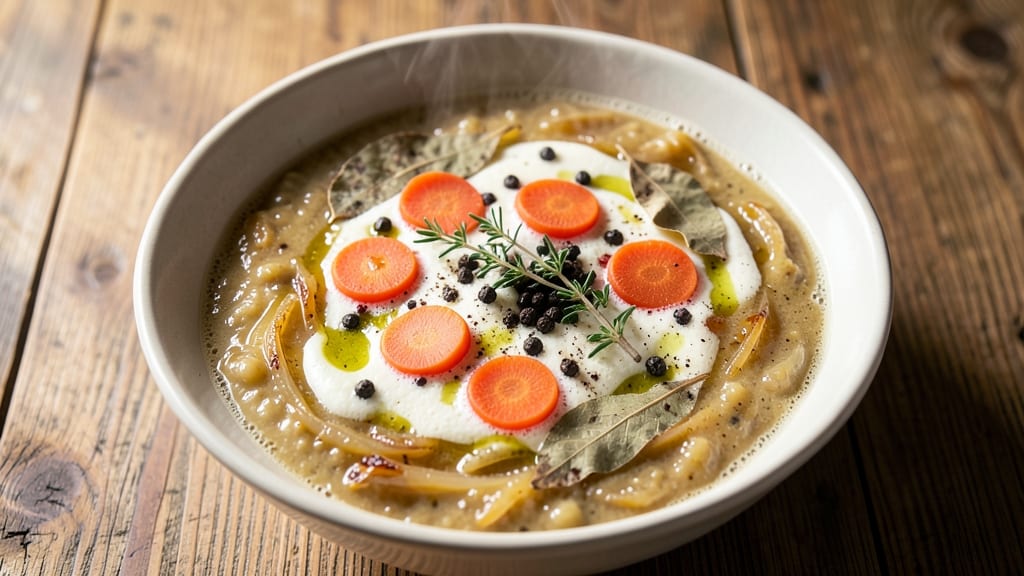
This kosher split pea soup recipe delivers the ultimate earthy comfort—rich, hearty, and packed with smoky herb depth that transforms simple ingredients into something extraordinary.
The secret lies in slow simmering dried peas until they break down into a velvety, flavorful puree, while aromatic herbs and onions build layers of complexity. Unlike many versions, this one avoids meat-based broths entirely, making it perfectly suitable for dairy-free kosher meals while still delivering restaurant-quality satisfaction.
The beauty of this recipe is its simplicity—just a handful of pantry staples come together to create a soup that tastes like it simmered all day, even when you're working with a busy schedule. Soaking the peas overnight cuts down on cooking time significantly, while a combination of fresh thyme, bay leaves, and black pepper creates that signature smoky depth without relying on meat.
The result is a soup that's both nourishing and deeply flavorful, perfect for chilly days or when you need a meal that feels like a warm embrace.
What makes this version truly special is how the flavors develop—the peas soften into a creamy texture while absorbing the aromatic herbs, and the onions caramelize just enough to add natural sweetness.
The final touch of lemon zest brightens the dish, cutting through the richness and leaving you with a bowl of soup that's comforting yet sophisticated. Serve it with crusty bread or a simple green salad for a complete meal that feels both traditional and modern.
This recipe is designed to be foolproof and adaptable—whether you're preparing for a family gathering or simply craving a comforting bowl of soup, the techniques here ensure success every time.
The instructions walk you through each step, from soaking the peas to achieving the perfect blend of textures, so you can focus on enjoying the process. Let's get started on creating a soup that's as satisfying as it is delicious.
Ingredients for split pea soup recipe kosher
These earthy, comforting ingredients create a velvety split pea soup with restaurant-worthy depth—perfect for cozy nights.
| Ingredient | Amount | Notes |
|---|---|---|
| Dried Yellow Split Peas 🌾 | 2 cups | Uncooked, no need to soak if short on time |
| Yellow Onions 🧅 | 2 large | Diced, about 3 cups total |
| Fresh Thyme Sprigs 🌿 | 4 whole | Or 1 tbsp dried thyme |
| Bay Leaves 🌿 | 2 whole | Standard dried bay leaves |
| Ground Black Peppercorns 🌶️ | 1 ½ tsp | Freshly cracked preferred |
| Carrots 🥕 | 3 medium | Peeled and chopped (about 1 cup total) |
| Garlic Cloves 🧄 | 4 cloves | Minced for depth of flavor |
| Vegetable Broth 💧 | 6 cups | Low-sodium preferred |
| Extra-Virgin Olive Oil 🫒 | 2 tbsp | For caramelizing onions |
| Lemon Zest 🍋 | 1 tbsp | Brightens the final flavor |
| Salt 🧂 | 1 ½ tsp | Adjust to taste |
| Fresh Parsley 🌿 | ¼ cup | Chopped, for garnish |
The split peas are the heart of this soup—Bob's Red Mill or Anthony's Goods are my go-tos for consistent quality. Soaking them overnight cuts cooking time by half, but if you're short on time, no worries—they'll still soften beautifully with a longer simmer. For the onions, yellow onions caramelize best, and I always grab the organic yellows at Whole Foods when possible—they're sweeter and more flavorful. The thyme and bay leaves are non-negotiable for that smoky depth, so don't skip them. Fresh thyme has more punch than dried, but if you're using dried, reduce to one-third the amount—it's potent stuff.
No fresh thyme? Dried works at one-third the amount, but toast it lightly in a dry pan for 30 seconds to wake up the flavor. Running low on vegetable broth? Water plus a bouillon cube gets you close, though homemade is ideal. The carrots can be swapped for celery or parsnips if you're feeling adventurous—they add different but equally lovely textures. And if you're making this ahead, freeze the finished soup without the lemon zest—add it fresh when reheating to keep that bright pop of flavor. The lemon zest is the secret weapon here—zest only, no pulp—it cuts through the richness and leaves your soup tasting like it was simmered all day.
This soup tastes even better the next day as the flavors meld—portion into containers for easy lunches. It keeps in the fridge for 5-6 days or freezes beautifully for up to 3 months. For serving, I like to garnish with fresh parsley and a drizzle of olive oil—it adds a touch of elegance without overpowering the dish. The crusty bread? Store-bought sourdough from Trader Joe's works perfectly, or toast up some whole-grain baguette slices for dipping. Leftovers reheat beautifully—just add a splash of water or broth if it's too thick.
Why You'll Love This Recipe
- I’ll be real: I used to dread soaking split peas overnight. But this kosher version? Just rinse them, toss them in boiling water with onions and bay leaves, and let them simmer. The peas soften beautifully without any fuss—honestly, it’s the kind of recipe that makes me feel like I’ve outsmarted my own laziness.
- No-Soak Necessary: I’ll be real: I used to dread soaking split peas overnight. But this kosher version? Just rinse them, toss them in boiling water with onions and bay leaves, and let them simmer. The peas soften beautifully without any fuss—honestly, it’s the kind of recipe that makes me feel like I’ve outsmarted my own laziness.
- Earthy Depth in Minutes: That first sip? The split peas caramelize into something almost buttery, while the thyme and cracked peppercorns add this quiet, sophisticated kick. It’s not fancy, but it’s good—the kind of flavor that lingers long after the last spoonful, especially when you let it reduce down to a thick, velvety consistency.
- Lunchbox to Sabbath: Between us, this soup is my secret weapon for everything from rushed weeknight dinners to Shabbat leftovers. Make a big pot on Sunday, and you’ve got lunch for the next three days—just reheat and serve. Or bring it to a potluck; it’s hearty enough to stand alone but elegant enough to impress.
Step-by-step instructions for earthy split pea soup
This hearty kosher split pea soup delivers deep, smoky flavors with a velvety texture that feels like a warm hug in a bowl.
Caramelize Onions for Rich Foundation
Heat the 2 tablespoons extra-virgin olive oil in a large Dutch oven over medium-low heat. Add the 2 large diced yellow onions and cook for 15-20 minutes, stirring occasionally, until they develop a deep golden brown color. This slow caramelization builds complex sweetness that forms the soul of your soup.
Real talk: don't rush this step. You're looking for onions that are almost sticky and dark—this is where the magic happens. If they start to brown too quickly, reduce the heat slightly. Those caramelized onions will carry the entire soup's depth of flavor.
Build Aromatics with Carrots and Herbs
Add the 3 medium peeled and chopped carrots, 4 cloves minced garlic, 4 whole fresh thyme sprigs, and 2 whole bay leaves to the pot. Stir well to combine with the onions. Cook for 5-7 minutes until the carrots soften slightly and the garlic becomes fragrant—you should smell that pungent, sweet garlic aroma filling your kitchen.
Here's the thing—those thyme sprigs and bay leaves are working double duty. They'll infuse the broth with their earthy notes while keeping their structure so you can easily remove them later. Don't crush the thyme leaves; just let them sit whole in the pot to release their oils gradually.
Toast the Split Peas for Nutty Depth
Add the 2 cups dried yellow split peas and stir to coat them in the caramelized onion mixture. Toast them for 2-3 minutes until they become slightly fragrant and develop a faint golden hue. This brief toasting enhances their natural nutty flavor and prevents them from turning mushy later.
I know it seems weird to toast dried peas, but trust me—this step makes all the difference. The split peas will absorb those caramelized onion flavors right away, creating a more complex base for your soup. Don't walk away; watch them closely so they don't burn.
Simmer Until Perfectly Tender
Pour in the 6 cups vegetable broth and add the 1.5 teaspoons ground black peppercorns and 1.5 teaspoons salt. Bring to a gentle boil, then immediately reduce heat to low and cover the pot. Let it simmer for 45-60 minutes, stirring occasionally, until the split peas are fork-tender but still hold their shape.
The reason we simmer covered is to trap steam and prevent the peas from drying out. You'll know they're done when a knife slides in easily but the peas don't fall apart completely. This gentle cooking transforms the split peas into creamy, flavorful bites that melt in your mouth.
Finish with Brightness and Garnish
Remove the thyme sprigs and bay leaves. Stir in the 1 tablespoon lemon zest and adjust the seasoning with additional salt if needed. For the final touch, stir in the ¼ cup chopped fresh parsley just before serving—this adds freshness that cuts through the soup's richness.
Ladle the soup into bowls and serve immediately while still hot. The contrast of the bright lemon zest against the deep, earthy split peas creates a perfect balance of flavors. Each spoonful should deliver that comforting, velvety texture with layers of caramelized onion sweetness and herbal depth.
Pro Tips For Making Split Pea Soup Recipe Kosher
- Soak the Peas First: I learned this the hard way—skipping the soak means your soup will taste starchy and underdeveloped. Rinse the dried split peas, then cover them in water for at least 4 hours (or overnight if you can). This shortens cooking time and makes the peas break down evenly, giving you that creamy texture without gummy bits.
- Sweat the Onions Low: Don’t rush the onion base—this is where flavor builds. Cook the chopped yellow onions in a heavy pot over medium-low heat for 8-10 minutes until deeply soft and golden, not browned. Too much heat turns them bitter, and you’ll regret it when the soup tastes flat.
- Crush the Peppercorns: Whole peppercorns? Skip it. Grind them fresh before adding to the pot—this releases their oils and aroma, making every spoonful pop. If you’re using pre-ground, toast it lightly in the pot for 30 seconds first; it’ll deepen the flavor instantly.
- Skimp on the Bay Leaves: One is enough. Two or more means you’ll taste the bitterness later. Tuck the single leaf into the onions early, then remove it before serving—no one wants to chew on it. (Yes, I’ve done it.)
Regional styles of this split pea soup recipe kosher
Ashkenazi Tradition
The Ashkenazi Jewish version of split pea soup, known as "Adas Frish," is the most iconic kosher adaptation. This Eastern European classic traditionally includes chicken or beef broth for depth, but my kosher-friendly version swaps it for vegetable broth while keeping the same comforting essence.
The key difference is the addition of chopped matzo balls or egg noodles—a nod to Ashkenazi traditions while maintaining dairy-free kosher compliance. 🥣
French-Inspired Velouté
French cuisine elevates split pea soup into a refined "Velouté de Pois Cassés" by blending the cooked peas until silky smooth. For a kosher twist, I recommend blending half the peas for texture while leaving the other half whole.
The French version also incorporates a splash of white wine (like Sauvignon Blanc) in the broth for brightness—just ensure it's kosher-certified if using in a kosher kitchen. Garnish with crème fraîche (dairy-free coconut cream for parve meals) for a luxurious finish.
Middle Eastern Spiced
In Middle Eastern kosher homes, split pea soup takes on a warm, spiced profile with ground cumin, coriander, and turmeric. Start by toasting these spices in olive oil until fragrant, then proceed with the caramelized onions.
Add diced tomatoes and chopped parsley at the end for freshness. This version pairs beautifully with warm pita bread and a side of hummus—a perfect meal for Shabbat gatherings.
Southern U.S. Smoky Style
While not traditionally kosher, Southern cooks often enrich split pea soup with smoked ham hocks—a flavor I recreate using liquid smoke (kosher-certified) and smoked paprika. For a kosher adaptation, simmer the broth with 1-2 smoked oak chips (kosher-certified) for 30 minutes before adding the peas.
The result is a deep, woodsy aroma that mimics the Southern original without compromising dietary laws. Serve with cornbread for a hearty, soul-warming bowl.
Modern Fusion Twist
For a contemporary take, blend in roasted red peppers and feta cheese (use dairy-free feta for parve meals) at the end. The smoky-sweet peppers add complexity, while the feta crumbles on top create a textural contrast.
This version works as a dip for crusty bread or a light lunch when paired with a mixed green salad. The lemon zest brightens the dish, making it feel fresh yet deeply satisfying.
Winter Comfort Bowl
In colder months, this soup becomes a staple when paired with roasted root vegetables like parsnips or turnips. Toss them into the pot during the final 15 minutes of simmering for natural sweetness. Top with toasted pumpkin seeds for crunch and a drizzle of tahini for richness.
This version is naturally gluten-free and perfect for holiday potlucks, where it stands out as both nostalgic and innovative. ❄️
Nutrition facts
Frequently asked questions
Why do I need to soak the split peas overnight?
Soaking reduces cooking time by 30-50% and prevents a gummy texture. The peas absorb water, which helps them soften more evenly. If you're short on time, skip soaking—but expect a 1-2 hour simmer instead of 45-60 minutes. Pro tip: Use a 4:1 water-to-pea ratio for soaking to avoid excess moisture.
Can I make this soup without a Dutch oven?
Yes! A heavy pot with a tight-fitting lid works perfectly. Just ensure it's large enough to hold all ingredients without overflowing during simmering. A 6-quart stockpot is ideal. If your pot isn't deep, reduce the broth slightly to prevent spillage when stirring.
How do I adjust this for a dairy-free kosher meal?
This recipe is already dairy-free and parve-friendly! The vegetable broth and olive oil ensure no dairy cross-contamination. For extra assurance, use kosher-certified olive oil and check your broth label. The lemon zest adds brightness without dairy, making it perfect for Shabbat or Passover meals.
What if my soup turns out too thick?
Add ½ cup warm water or broth at a time, stirring well between additions. For a smoother texture, blend half the soup until silky, then mix back in. If you prefer chunkier soup, just add more broth. The key is to thin it gradually—adding too much liquid at once can dilute the flavors.
Can I freeze this split pea soup?
Let it cool completely, then transfer to airtight containers. It freezes beautifully for up to 3 months. Thaw overnight in the fridge—never microwave directly from frozen. For best results, add a splash of water or broth when reheating to restore the creamy texture.