
Soups & Stews
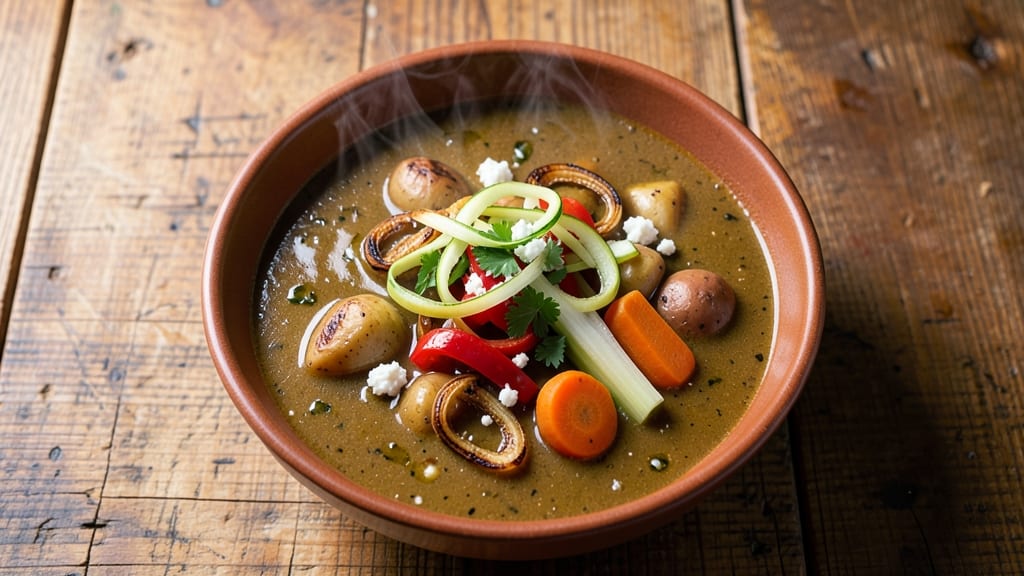
This McAlister's Fire-Roasted Vegetable Soup delivers restaurant-quality depth without a blender—just charred veggies, aromatic herbs, and a velvety broth that builds flavor layer by layer. 🔥 The secret lies in roasting vegetables until caramelized, then simmering them with garlic, onions, and fresh herbs to create a soup that's rich, complex, and packed with natural sweetness.
Unlike many vegetarian soups that rely on cream or heavy seasoning, this version lets the vegetables shine while maintaining a light, satisfying texture.
What sets this recipe apart is the two-stage cooking process: first roasting the vegetables at high heat to develop their natural sugars and smoky depth, then simmering them gently with aromatic vegetables and herbs to create a harmonious broth.
The result is a soup that's hearty enough to stand alone but light enough for any meal. Every spoonful delivers a perfect balance of smoky, sweet, and savory notes—no artificial flavors needed.
By the time it's done, you'll have a soup with vibrant colors, intense flavors, and a texture that's creamy without being heavy. The roasted vegetables add a satisfying crunch, while the herbs and garlic infuse the broth with layers of aroma.
This is the kind of soup that tastes even better the next day as the flavors meld and deepen.
The beauty of this recipe is its versatility—serve it as a light lunch, a comforting dinner, or even as a starter for a holiday meal. With fresh vegetables as the star, it's naturally vegetarian but still satisfying enough to please everyone at the table.
Let's get started on creating this restaurant-worthy soup at home.
Ingredients for mcalister's fire roasted vegetable soup
Fresh vegetables roasted to smoky perfection meet aromatic herbs and velvety broth for this vegetarian masterpiece.
| Ingredient | Amount | Notes |
|---|---|---|
| Yellow Onion 🧅 | 1 whole | Chopped into 1/2-inch pieces |
| Garlic Cloves 🧄 | 4 cloves | Minced for aromatic base |
| Carrots 🥕 | 3 medium | Cut into 1-inch chunks |
| Celery Stalks 🧅 | 3 whole | Cut into 1-inch pieces |
| Russet Potatoes 🥔 | 2 lb | Peeled, cut into 1-inch cubes |
| Zucchini 🥒 | 1 medium | Sliced into 1/2-inch rounds |
| Bell Peppers 🌶️ | 2 whole | Any color, cut into strips |
| Fresh Thyme 🌿 | ¼ cup | Leaves only, chopped fine |
| Fresh Rosemary 🌿 | ¼ cup | Needles only, chopped fine |
| Vegetable Broth 💧 | 4 cups | Low-sodium preferred |
| Extra-Virgin Olive Oil 🫒 | ¼ cup | For roasting vegetables |
| Sea Salt 🧂 | 1 ½ tsp | Kosher or sea salt |
| Black Pepper 🌶️ | ½ tsp | Freshly ground |
| Red Wine Vinegar 🍷 | 1 tbsp | For brightness |
| Fresh Parsley 🌿 | ⅛ cup | Chopped, for garnish |
The vegetables are the stars here—look for vibrant, firm produce at your local farmers' market or grocery store's produce section. Trader Joe's and Whole Foods often carry the freshest selection. Russet potatoes should be waxy, not starchy, for the best texture. Bell peppers should be firm with no soft spots, and thyme and rosemary bundles should smell fragrant, not dry. If you can't find fresh rosemary, dried works at half the amount, but fresh delivers that restaurant-quality aroma. The key is roasting until deeply caramelized—don't skip this step, as it builds the soup's rich, smoky depth.
No red wine vinegar? Apple cider vinegar or lemon juice works in a pinch, though the flavor will differ slightly. Short on thyme or rosemary? Oregano or basil can substitute at the same amount, but the herbal profile will shift. For the vegetable broth, low-sodium is crucial—you'll be adding salt later. If you're using pre-cut vegetables, give them a quick rinse to remove any excess moisture. The olive oil should be extra-virgin for the best flavor, but any good-quality olive oil will work. For the potatoes, peeling ensures a smoother texture, though leaving the skin on adds fiber and nutrients if you prefer.
This soup tastes even better the next day as flavors meld. Store in an airtight container in the fridge for up to 5 days, or freeze for 3 months. For freezing, portion into individual containers to reheat just what you need. The roasted vegetables can be prepped ahead and stored in the fridge for 2 days before simmering. Garnish with fresh parsley just before serving to keep it vibrant. If you're meal prepping, double the recipe—it reheats beautifully and makes for perfect lunches.
Why You'll Love This Recipe
- No-Chop Shortcuts: I swear by the fire-roasted trick—just toss whole carrots, halved potatoes, and celery stalks straight into the oven. The skin crisps up like a perfect sear, and you skip the tedious dicing. (Yes, even on a Tuesday night.)
- Garlic-Caramel Magic: That roasted garlic? It’s the star—sweet, deep, and clinging to every bite like a hug. The onions caramelize right alongside, turning the broth into something dangerously addictive without extra sauce.
- Leftover Reinvention: This soup begs to be repurposed—blend it into a creamy chowder, mash the potatoes into a side, or even toss the veggies into a grain bowl. I’ve done all three, and it’s never wasted.
- Budget-Busting Comfort: Russets and carrots stretch this recipe into a week’s worth of meals for pennies. Plus, the fire-roasted method makes basic veggies taste like you slaved over them. (Between us, my wallet thanks me every time.)
Step-by-step instructions for McAlister's fire-roasted vegetable soup
Master the art of charring vegetables for restaurant-quality depth without a blender.
🔥 Step 1: Roast Vegetables for Maximum Flavor
Preheat your oven to 450°F and line two large baking sheets with parchment paper. Arrange the chopped yellow onion, carrots, celery stalks, russet potatoes, zucchini, and bell peppers in a single layer, leaving space between each piece. Drizzle evenly with the extra-virgin olive oil and sprinkle with sea salt and black pepper.
Roast for 25-30 minutes until the edges are deeply browned and the vegetables are tender when pierced with a fork. The key here is to get that charred flavor—this is what gives the soup its signature depth. I like to rotate the pans halfway through for even browning. Don't skip this step; the roasted flavor is what makes this soup taste like it came from a restaurant.
👨🍳 Step 2: Build the Aromatic Base
While the vegetables roast, heat a large Dutch oven over medium heat. Add the minced garlic cloves and sauté for 30 seconds until fragrant—don't let it brown or it'll turn bitter. Add the fresh thyme and fresh rosemary, stirring for another 10 seconds to release their essential oils.
This aromatic base forms the flavor foundation of your soup. The herbs should perfume the air with their earthy notes, creating a warm, inviting aroma. If you're using dried herbs, use half the amount—fresh herbs pack more flavor punch. Keep the heat medium; you want to wake up the flavors without cooking them to oblivion.
🥘 Step 3: Simmer the Vegetables in Broth
Once the roasted vegetables are ready, transfer them to your Dutch oven with the aromatic base. Pour in the vegetable broth and bring to a gentle boil. Reduce heat to medium-low and let it simmer for 15-20 minutes until the vegetables are fork-tender and the flavors have melded together.
Here's where the magic happens: the roasted vegetables release their caramelized sweetness into the broth, creating a rich, complex base. Stir occasionally to prevent sticking, but don't over-stir—you want to preserve that charred flavor. The soup should smell like a cozy autumn evening, with layers of caramelized sweetness and herbal notes.
🍳 Step 4: Finish with Brightness and Fresh Herbs
After simmering, stir in the red wine vinegar and taste. This adds a bright, tangy note that cuts through the richness of the roasted vegetables. Adjust seasoning with more sea salt or black pepper if needed—this is your chance to perfect the balance of flavors.
Remove from heat and stir in the fresh parsley. The parsley adds a fresh, bright finish that makes the soup feel complete. Let it sit for 5 minutes to allow the flavors to settle. The soup should be vibrant, with visible chunks of charred vegetables throughout. This is the moment where all your hard work comes together into a restaurant-quality bowl.
Pro Tips For Making Mcalister'S Fire Roasted Vegetable Soup
- CHAR THE ONIONS FIRST: Don’t rush this—get those onions down to a deep, golden brown before adding anything else. I learned this the hard way when my soup tasted bland because I moved too fast. A few minutes of focused browning builds flavor that nothing else can match.
- CUT POTATOES UNIFORM: Aim for 1-inch cubes, no bigger, no smaller. Big chunks stay tough; tiny ones dissolve into mush. Use a knife or mandoline—your future self will appreciate not chewing on potato skins.
- SALT THE POTATOES BEFORE COOKING: Toss the diced potatoes in a pinch of salt while prepping. It jumpstarts the seasoning and prevents them from tasting bland even if the broth is mild. (Yes, even if you’re impatient like me.)
- STIR IN THE GARLIC LATE: Add the minced garlic with the last 5 minutes of simmering—otherwise, it burns before the soup’s ready. Raw garlic clings to the vegetables better this way, and the aroma hits just right when you’re about to eat.
Creative variations of these flavors
Summer Garden Twist
Swap out the russet potatoes for fingerling potatoes and add 1 cup cherry tomatoes halved to the roasting tray. These summer vegetables add natural sweetness and bright acidity that pairs beautifully with the charred flavors.
I like to finish with 1 tbsp fresh basil instead of parsley for a more summery profile. 🌿
Creamy Version
For a richer texture, stir in ½ cup coconut milk or ¼ cup heavy cream during the final 5 minutes of simmering. This creates a velvety finish while keeping the dish vegetarian.
Garnish with a sprinkle of nutritional yeast for an extra cheesy note without dairy. The creaminess balances the charred vegetables beautifully.
Spicy Kick
Add 1 tsp smoked paprika to the roasting vegetables and ½ tsp cayenne pepper to the simmering broth for a subtle smoky heat. For extra spice, stir in 1 tbsp hot sauce like Cholula or Sriracha at the end.
This variation works especially well with red bell peppers for a naturally sweet-spicy balance. 🌶️
Protein Boost
For a heartier meal, stir in 1 cup cooked white beans or 1 can chickpeas during the final 10 minutes of simmering. The beans absorb the flavors while adding satisfying protein.
I recommend using canned beans rinsed well to avoid excess sodium. This version feels like a complete meal while keeping the vegetarian focus.
Herb Variations
Experiment with different herb combinations for unique flavor profiles. Try 1 tbsp fresh oregano and 1 tsp dried marjoram for a Mediterranean twist, or 1 tbsp fresh dill and ½ tsp lemon zest for a bright, citrusy note.
Each herb brings a distinct character that elevates the soup's complexity. Fresh herbs always deliver the best results.
Slow Cooker Adaptation
For a hands-off approach, roast the vegetables as directed, then transfer everything to a 6-quart slow cooker with the broth and herbs. Cook on low for 4-5 hours or high for 2-3 hours, stirring occasionally.
The slow cooking enhances the caramelized flavors while keeping the texture tender. Finish with fresh herbs and vinegar as directed. Perfect for busy weeknights! ⏰
Nutrition facts
Frequently asked questions
Can I use frozen vegetables instead of fresh?
Fresh vegetables are ideal for that authentic charred flavor, but you can use frozen in a pinch. Thaw them first, pat dry thoroughly, and roast at 425°F for 20-25 minutes—they won't get as crispy but still develop rich caramelization. For best results, choose high-quality frozen veggies without added sauces or preservatives.
How do I make this soup extra creamy without dairy?
Blend ½ cup of the soup with ¼ cup silken tofu or coconut milk until smooth, then stir it back in. For a dairy-free option, add 1 tbsp cornstarch to 2 tbsp cold water, whisk into the soup, and simmer for 5 minutes to thicken naturally. Both methods keep the dish vegetarian while adding velvety texture.
Why does my soup taste bland after roasting?
Blandness usually means the vegetables weren't charred enough or the broth lacks seasoning. For deeper flavor, roast veggies at 450°F until blackened in spots, then add 1 tsp smoked paprika or ½ tsp miso paste to the broth. Taste as you go—adjust salt, vinegar, or herbs to balance. Fresh herbs at the end also brighten the dish.
Can I prep this soup ahead of time?
Roast the vegetables 1-2 days ahead and store in an airtight container. Reheat with fresh broth and herbs, then simmer for 10 minutes to revive flavors. For long-term storage, freeze the finished soup (without garnish) for up to 3 months. Thaw overnight in the fridge before reheating—never microwave directly from frozen.
What’s the best way to serve this soup?
Garnish with fresh parsley, a drizzle of olive oil, and extra black pepper for a restaurant-worthy finish. Serve with crusty bread, a side salad, or grilled cheese for a complete meal. For extra flair, top with toasted pepitas or a sprinkle of feta cheese (if vegetarian, not vegan). The vibrant colors make it perfect for holiday gatherings or cozy weeknight dinners.